
Is THORChain’s No-KYC Model the Hidden Weakness That Just Blew Up Binance’s Security?
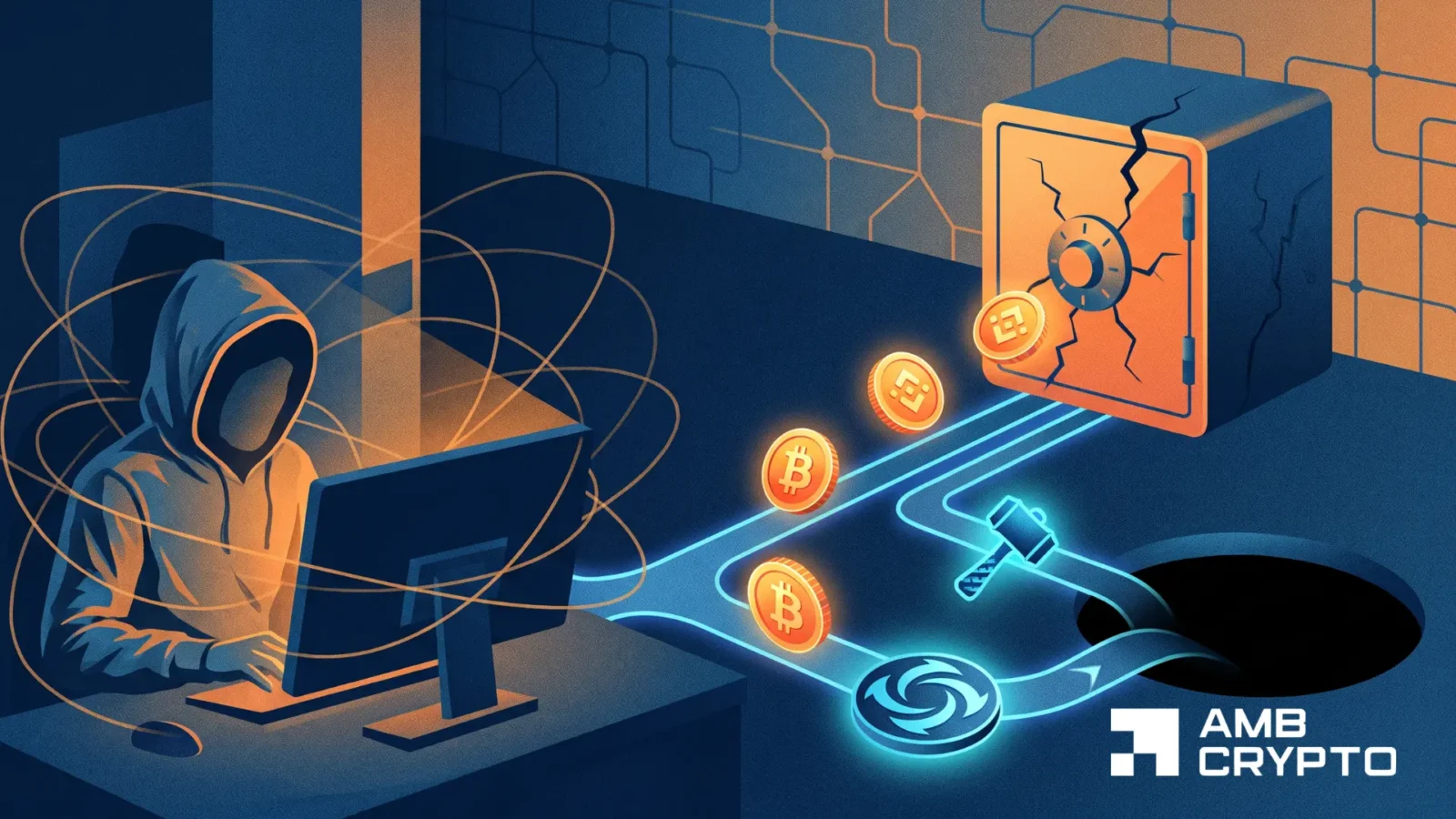
Ever wonder how a hacker’s playbook looks when they’re laundering hundreds of millions in stolen crypto? Well, the recent Binance hack from October 29th just gave us a front-row seat to that clandestine show. Instead of a quick cash-out, these North Korean operatives are playing a high-stakes game of hide-and-seek, shuffling stolen assets through various crypto services to muddy the trail. The star of this laundering saga? THORChain—a decentralized protocol with zero Know Your Customer checks, which might just be the perfect playground for evasive maneuvers. What’s almost ironic is THORChain’s bold claim of “Financial Freedom The Cypherpunk Way,” while simultaneously processing transactions tied to a multi-million dollar heist, raking in up to $1 million in fees along the way. It’s like watching a sophisticated chess match unfold—with law enforcement trying to block the moves, but hackers staying several steps ahead. Curious how this laundering labyrinth works and what’s next on the enforcement horizon? Dive into the twisted maze with me. LEARN MORE
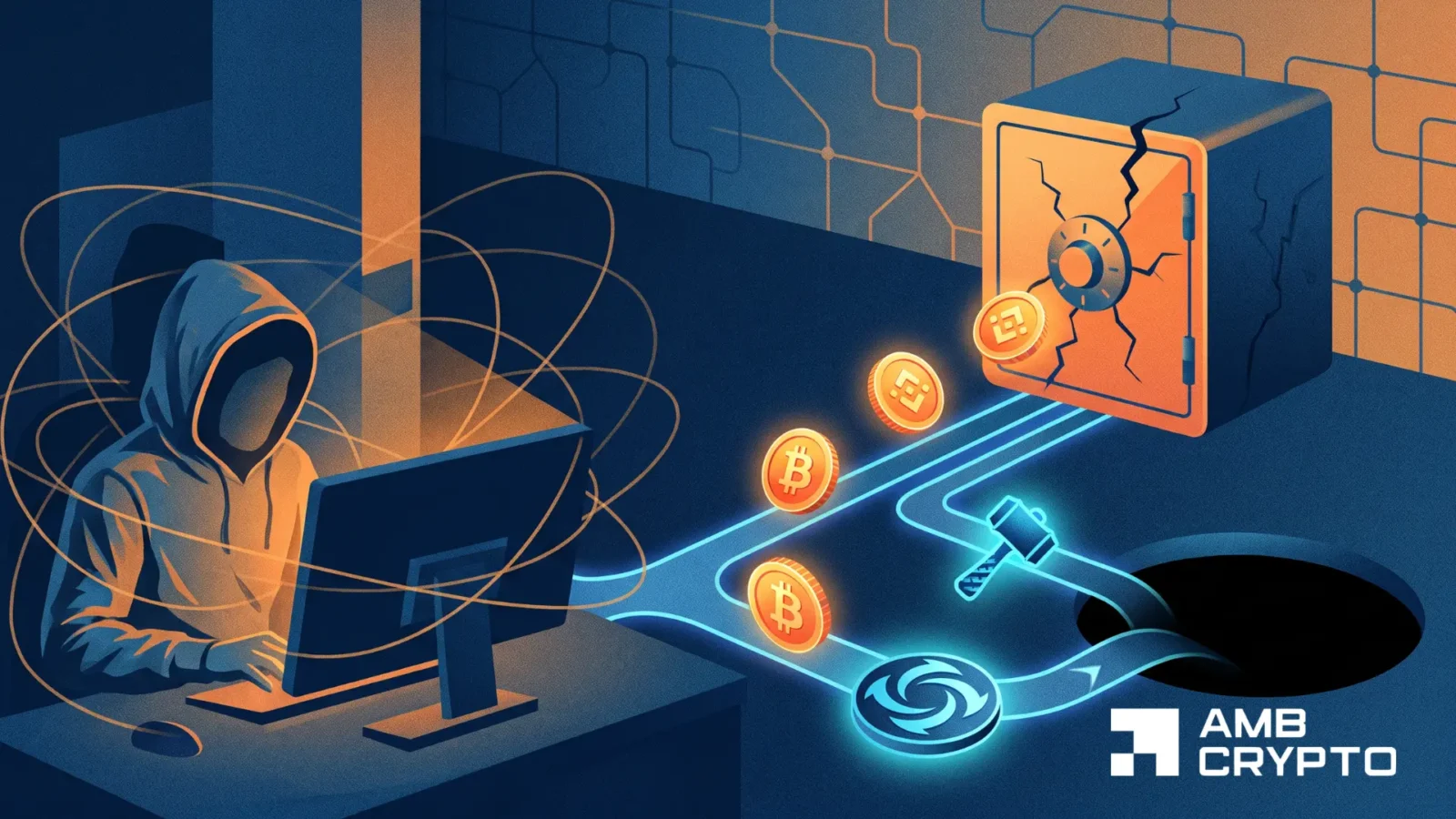
29th October’s Binance hack is still in the news, making waves today thanks to North Korean hackers who are now attempting to launder stolen cryptos.
Rather than immediately converting the stolen assets into cash, the hackers are moving them through different cryptocurrency services to make their transactions harder to trace.
According to blockchain analytics firms Chainalysis and Elliptic, stolen cryptos worth more than $600 million have already passed through THORChain. Another $342 million have reportedly moved through a CoinJoin service.
How did THORChain become the hotspot?
Since THORChain does not require Know Your Customer (KYC) checks or censor transactions, it does not require users to verify their identities before making swaps. This has made the protocol useful for hackers attempting to move the stolen Binance funds.
In fact, THORChain’s own website claims,
THORChain is Financial Freedom The Cypherpunk Way.
The FBI has already identified wallet addresses associated with the attackers. It recently urged crypto service providers, including THORChain’s network operators, to block transactions linked to them.
And yet, despite this warning, the protocol has continued to process transactions associated with the laundering operation. In fact, THORChain has generated up to $1 million in fees from these swaps as per TRM Labs estimates.
Additionally, hackers have also used CoinJoin, a transaction-mixing technique designed to conceal transaction trails.
Hackers are not cashing out
Well, to cash out, the hackers will still need to transfer the cryptocurrency through additional services. These would potentially include over-the-counter (OTC) brokers, where digital assets can be exchanged for traditional currencies or other forms of value.
In the words of Ari Redbord, Global Head of Policy at U.S blockchain analysis company TRM Labs,
They don’t have to get a lot off in order to make this all worthwhile for them.
These additional transactions create further opportunities for investigators and law enforcement agencies to identify and freeze the funds.
What’s done and what’s ahead?
Around $2.85 billion has already been frozen by token issuers. However, the remaining assets are still in circulation, raising concerns. Also, TRM Labs has estimated that the laundering operation could continue for months or even years.
This update comes on the heels of the United States’ DOJ filing a forfeiture action to recover more than $1.1 billion in cryptocurrencies stolen in the hack.
Final Summary
- THORChain does not conduct Know Your Customer (KYC) checks or censor transactions.
- TRM Labs estimates that THORChain generated up to $1 million in fees from these swaps.

Premier Protein 30g High Protein Shake, Chocolate, 12 Pack | 160 Calories, 24 Vitamins & Minerals, No Added Sugar, Supports Muscle Health, Gluten-Free, 11.5 oz
$14.00 (as of November 28, 2026 03:25 GMT +00:00 - More infoProduct prices and availability are accurate as of the date/time indicated and are subject to change. Any price and availability information displayed on [relevant Amazon Site(s), as applicable] at the time of purchase will apply to the purchase of this product.)
Roku Streaming Stick HD with Voice Remote | Compact HD Streaming Device for TV with Roku Voice Remote & Long-Range Wi-Fi - Free & Live Local News, Sports
$19.00 (as of November 28, 2026 03:29 GMT +00:00 - More infoProduct prices and availability are accurate as of the date/time indicated and are subject to change. Any price and availability information displayed on [relevant Amazon Site(s), as applicable] at the time of purchase will apply to the purchase of this product.)
KODAK SlideTag Keychain Photo Display and Tracker Blind Box Single Box (1PC),6-Color E-Ink Photo Display,Bluetooth Tracker Tag,Mini Digital Keychain,Works with Google Find Hub and Apple Find My
(as of November 28, 2026 03:39 GMT +00:00 - More infoProduct prices and availability are accurate as of the date/time indicated and are subject to change. Any price and availability information displayed on [relevant Amazon Site(s), as applicable] at the time of purchase will apply to the purchase of this product.)
Amazon Echo Dot Max (newest model), Alexa speaker with room-filling sound and nearly 2x bass, Great for living rooms and medium-sized spaces, Designed for Alexa+, Graphite
$49.99 (as of November 28, 2026 03:29 GMT +00:00 - More infoProduct prices and availability are accurate as of the date/time indicated and are subject to change. Any price and availability information displayed on [relevant Amazon Site(s), as applicable] at the time of purchase will apply to the purchase of this product.)











Post Comment