Add Just 11 Minutes to Your Nightly Sleep and Slash Your Risk of Heart Attack and Stroke—Here’s the Science-Backed Secret!
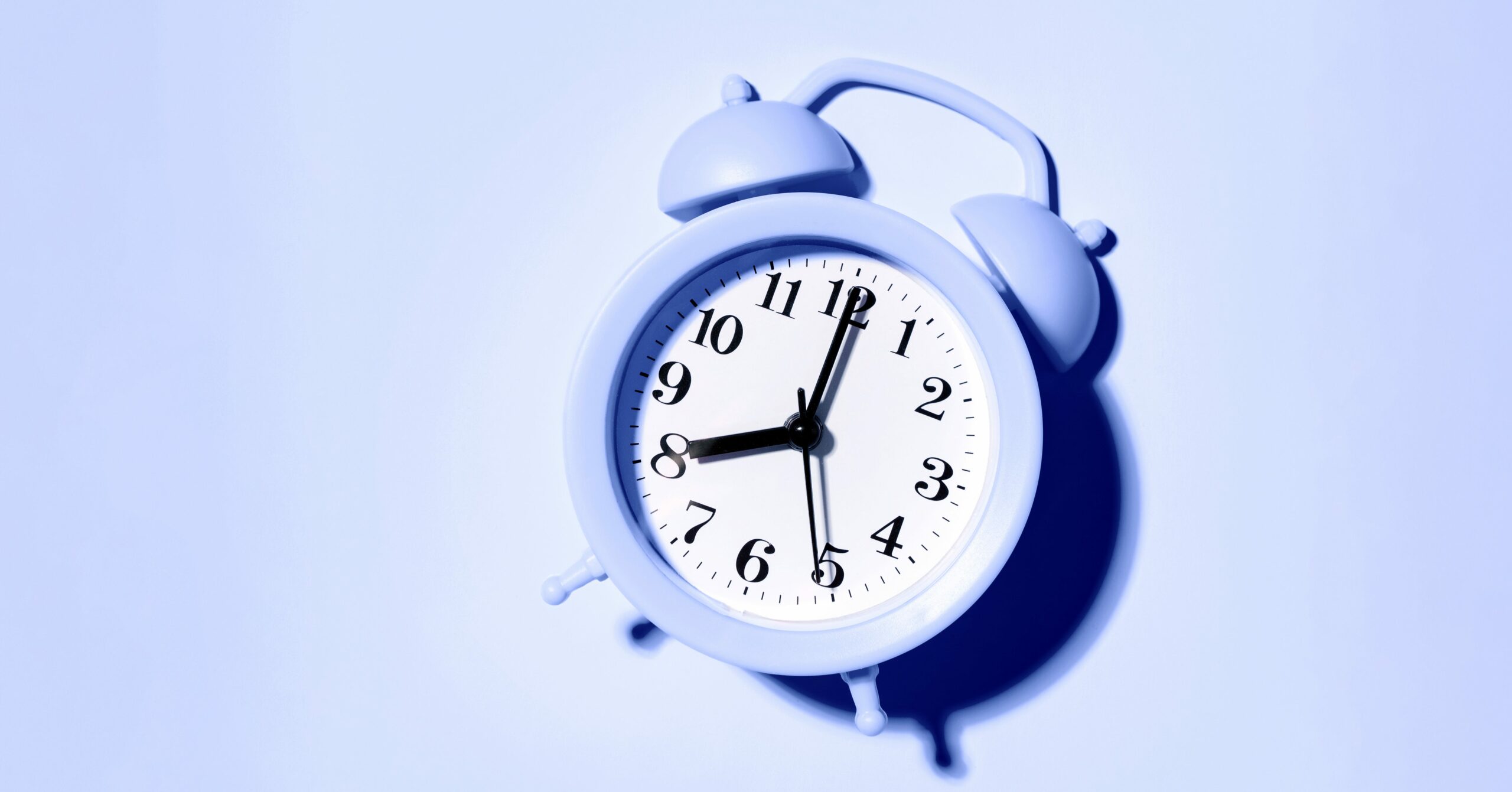
Ever thought that just 11 extra minutes of sleep could be your heart’s new best friend? Yeah, me neither—until now. Nearly half of American adults are grappling with cardiovascular disease, and honestly, the thought of revamping your whole lifestyle can feel like climbing Everest barefoot. But what if the secret to slashing your risk isn’t a massive overhaul but tiny tweaks? Imagine boosting your heart health by sneaking in an extra 11 minutes in bed, a quick 4.5-minute workout, or munching on a little more greens daily. It’s wild how such small tweaks, which fit snugly into even the busiest schedules, can tilt the odds in your favor. I’m genuinely excited to unpack the latest research revealing how these bite-sized changes add up to a 10 percent lower risk of heart attack or stroke—and why, if you’ve got to pick one, physical activity steals the spotlight. Ready to dive in and see how just a few minutes can make a massive difference? LEARN MORE
 4 min read
A new study found that sleeping for an extra 11 minutes each night could help reduce your risk of heart attack or stroke.
In addition to an extra 11 minutes of sleep, researchers also examined two other small lifestyle changes: working out for an additional 4.5 minutes or eating an extra quarter cup of vegetables.
Experts agree that if you had to pick one of the three interventions, focusing on physical activity may have the most benefit.
Cardiovascular disease impacts nearly half of American adults, making it important to try and lower your risk where you can. While this usually involves a combination of eating well, getting 8 hours of sleep a night, and exercising regularly, new research suggests you may not need to do a ton to see noticeable results.
The study, which was published in the European Journal of Preventive Cardiology, suggests that small tweaks to your routine—we’re talking minutes—could lower the risk of developing heart attack and stroke by 10 percent. And, of course, those small tweaks, along with more meaningful health changes, can have an even bigger impact on your risk.
If you’ve been wanting to improve your cardiovascular health but have been intimidated by the idea of overhauling your entire lifestyle, this is a solid starting point. Here’s what the research found, plus why cardiologists are all about it.
Meet the experts: Hosam Hmoud, MD, cardiology fellow at Northwell’s Lenox Hill Hospital; Tracy Patel, MD, cardiologist at Hartford HealthCare Heart & Vascular Institute; and Emmanuel Stamatakis, PhD, study co-author and professor of physical activity, lifestyle, and population health at The University of Sydney.
What did the study find?
For the study, researchers analyzed data from more than 53,000 adults who participated in the UK Biobank, a longitudinal study. The participants were followed for eight years and logged information about their diets and other lifestyle factors. The participants also wore trackers that measured their sleep and exercise.
After analyzing the data, researchers discovered that participants who made even tiny improvements in their sleep, diet, and exercise could meaningfully reduce their risk of developing a heart attack or stroke.
Specifically, people who slept an extra 11 minutes, logged an additional 4.5 minutes of moderate-to-vigorous physical activity, and ate an extra quarter cup of vegetables had a 10 percent lower risk of such events.
The researchers also identified the optimal combination of behaviors if you really want to minimize your risk. They discovered that sleeping for eight to nine hours a night, doing more than 42 minutes of moderate-to-vigorous physical activity a day, and having a “modest” diet score (meaning, eating well but not being overly strict with your diet) translated to a 57 percent lower risk of cardiovascular events.
“Sleep, physical activity, and diet are three of the most important modifiable drivers of cardiovascular risk, yet they are usually studied one at a time,” says Emmanuel Stamatakis, PhD, study co-author and professor of physical activity, lifestyle, and population health at The University of Sydney. “We wanted to know not only what the optimal combination looks like, but also what the minimum combined change might be for a clinically meaningful reduction in heart attack, stroke, or heart failure risk.”
Why is an extra 11 minutes of sleep helpful?
This is a little tricky to translate to real-world guidance. “This is an association in a general population, and does not necessarily translate to the individual, especially when reflecting on the influence of maintaining a sleep cycle,” explains Tracy Patel, MD, cardiologist at Hartford HealthCare Heart & Vascular Institute. Instead, she recommends interpreting the results with the idea that you can gain health benefits by adding just a little more sleep to your routine.
And if you’re curious, the 11 extra minutes weren’t necessarily tied to being in a “deeper” sleep cycle. “We did not measure REM sleep, so we cannot say the effect works through extra REM,” Stamatakis says. Instead, the researchers found that the amount of sleep “had a curved relationship with risk, with the lowest risk around 7.9 hours per day.” Therefore, aiming for about eight hours of sleep would be ideal.
Which intervention is most important?
All of these are important, based on the findings. But doctors agree that, if you have to choose one, it may be best to focus on physical activity. “Exercise provides a multitude of beneficial effects to the body, such as weight loss, lower insulin resistance, better mood, and cognitive function, and decreased risk of heart attack and stroke,” says Hosam Hmoud, MD, a cardiology fellow at Northwell’s Lenox Hill Hospital.
Stamatakis agrees. “If I had to choose just one, I would probably start with physical activity, especially brisk walking or other moderate-to-vigorous movement built into daily life,” he says. “It is often the easiest behavior to change immediately, it has broad cardiovascular benefits, and in our modeling, the single-behavior change linked to a 10% lower major cardiovascular event risk was only about 6.6 extra minutes per day.”
What doctors want you to take away from this
Doctors stress the importance of doing what you can—and knowing you’ll get some benefit along the way. “Small changes to your daily lifestyle can have a tremendous impact on your cardiovascular health,” Hmoud says. “Instead of making drastic lifestyle changes in a quick manner, making smaller daily changes will allow you to maintain those changes and build upon them.”
Korin Miller is a freelance writer specializing in general wellness, sexual health and relationships, and lifestyle trends, with work appearing in Men’s Health, Women’s Health, Self, Glamour, and more. She has a master’s degree from American University, lives by the beach, and hopes to own a teacup pig and taco truck one day.
Carina Hsieh, MPH, is the deputy features editor of Women’s Health. She has more than a decade’s worth of experience working in media and has covered everything from beauty, fashion, travel, lifestyle, pets, to health.
She began her career as an intern in the fashion closet at Cosmopolitan where she worked her way up to Senior Sex & Relationships Editor. While covering women’s health there, she discovered her passion for health service journalism and took a break to get her Masters in Public Health. Post-grad school, she worked as a freelance writer and as The Daily Beast’s first Beauty, Health, and Wellness Reporter.
Carina is an alum of the Fashion Institute of Technology and the Yale School of Public Health. She and her French Bulldog, Bao Bao, split their time between Brooklyn and Connecticut. She enjoys reformer Pilates, (slow) running, and smelling the fancy toiletries in boutique fitness class locker rooms.
The Blissful Dog Xoloitzcuintli Nose Butter, Versatile Dog Nose Balm for Dry Nose, Handcrafted Nose Moisturizer, Easy-to-Apply Dog Essentials, Unscented, 0.15 oz.
$6.99 (as of April 1, 2026 02:22 GMT +00:00 - More infoProduct prices and availability are accurate as of the date/time indicated and are subject to change. Any price and availability information displayed on [relevant Amazon Site(s), as applicable] at the time of purchase will apply to the purchase of this product.)
Banana Bunch (4-5 Count)
(as of April 1, 2026 02:17 GMT +00:00 - More infoProduct prices and availability are accurate as of the date/time indicated and are subject to change. Any price and availability information displayed on [relevant Amazon Site(s), as applicable] at the time of purchase will apply to the purchase of this product.)
Idymere Stainless Steel Litter Box with High Sided, Metal Cat Litter Box, Odor-Free, Non-Stick Litterbox Pan, Easy to Clean Pet Supplies Toilet Tray for Indoor Cats, Kittens or Multicat Homes
$17.99 (as of April 1, 2026 02:17 GMT +00:00 - More infoProduct prices and availability are accurate as of the date/time indicated and are subject to change. Any price and availability information displayed on [relevant Amazon Site(s), as applicable] at the time of purchase will apply to the purchase of this product.)
Amazon Echo Studio (newest model), compact design, immersive spatial audio and Dolby Atmos, Designed for Alexa+, Graphite
$189.99 (as of April 1, 2026 02:17 GMT +00:00 - More infoProduct prices and availability are accurate as of the date/time indicated and are subject to change. Any price and availability information displayed on [relevant Amazon Site(s), as applicable] at the time of purchase will apply to the purchase of this product.)











Post Comment