From Near Extinction to Brooklyn’s East River: The Stunning Comeback That Will Leave You Breathless
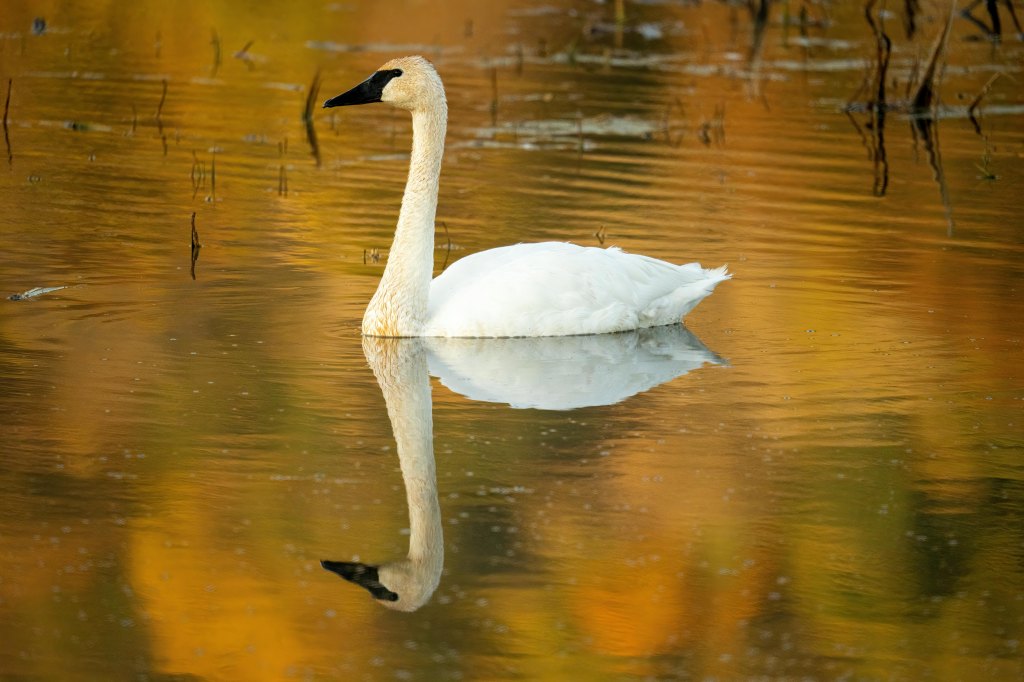
Who would’ve thought that a majestic trumpeter swan, once teetering on extinction’s edge, would waltz its way into the East River right in the heart of Brooklyn? I mean, New York City—concrete jungle, taxis honking, skyscrapers galore—now playing host to one of North America’s largest native waterfowl? It’s not just a quirky cameo for bird lovers; it’s a living, breathing victory lap for decades of tireless conservation work. Imagine the wild stories this swan could tell if it could talk—maybe the East River’s charm caught its eye after years of northern lakes and wetlands. What does it say about resilience, nature’s comeback, and those unsung heroes behind the scenes? Stick around; this surprising Brooklyn sighting just might change how you see the city’s relationship with wildlife. LEARN MORE

For anyone who has followed the painstaking work of wildlife recovery over the past several decades, the news out of Brooklyn this spring carried a particular kind of weight.
A trumpeter swan—a species that was once on the very brink of extinction — was spotted swimming in the East River, marking the first-ever recorded sighting of the species in New York City.
The moment was more than a curiosity for bird watchers. It was a living testament to what sustained, multigenerational conservation efforts can achieve.
The Trumpeter Swan. From near-extinction to 70,000 strong
The trumpeter swan’s story is one of the most dramatic recovery arcs in North American wildlife history. The species was nearly extinct due to commercial and subsistence hunting in the early 1900s.
Generally speaking, by some historical estimates, their numbers had dwindled to dangerously low levels before coordinated recovery programs began turning the tide.
By 2015, there were nearly 70,000 trumpeter swans living in places like Canada, Alaska, Montana and even Upstate New York, according to WABC.
That figure represents the cumulative labor of wildlife agencies, conservation organizations, dedicated volunteers and the communities that supported those efforts across multiple states and provinces over many years.
Margaret Smith, the executive director of the Trumpeter Swan Society, put it in terms that resonate deeply with anyone who has watched this recovery unfold.
“What you are seeing there is really a blessing, the gift of the people around you, states around you who cared enough to bring back this bird that was on the brink of extinction,” Smith said to WABC.
Those words carry the weight of decades. Every swan spotted in a new location represents not just one bird, but the collective will of countless individuals who refused to let a species vanish.
The Brooklyn sighting no one saw coming
On March 10, a group of bird watchers noticed a flock of swans swooping in at the North 5th Street Pier and Park in Williamsburg, Brooklyn. Among them, one bird stood apart.
While the other swans, presumed to be mute swans, sported a bright orange beak, this outlier had a black beak, a straight neck and what observers described as “red lipstick” on its bill.
According to Smith, the black-billed swan was, in fact, a trumpeter swan.
ABC7NY confirmed that the first reported sighting was on Feb. 28. March 10 marked the first recorded sighting — an important distinction for those who understand the value of documented wildlife data.
“It is a very rare sighting. I’ve never received any reports of trumpeter swans in New York City, and so it was pretty exciting, actually, to get those reports,” Smith said in an interview with Hell Gate.
For a species that has historically been associated with remote northern lakes and expansive wetlands, the appearance of a trumpeter swan in one of the most densely populated urban environments on the planet is a striking development.
More about the Trumpeter Swan’s story
The trumpeter swan is one of three swan species found in North America and one of two that are native.
The other two are the mute swan, identifiable by its orange beak, and the tundra swan, which has a black beak with a yellow marking by the eye.
Trumpeter swans are the largest of the three and one of the heaviest native waterfowl on the continent. They can span up to six feet and weigh over 25 pounds.
Smith offered insight into why this young trumpeter swan may have ended up in Brooklyn’s stretch of the East River in the first place.
“My guess is that the young swan was exploring the area and probably saw the mute swan—saw a big white bird—and probably thought, ‘It’s a fellow swan,’” Smith told Hell Gate. “Trumpeter swans are social creatures.”
Indeed, the trumpeter swan appears to have made a few mute swan friends, including one local swan that bird watchers dubbed William, after the Williamsburg neighborhood.
Some users on social media joked that William has finally found his Kate, referring to Prince William and Kate Middleton.
As the swan’s presence went viral, bird watchers from across the city gathered around the East River to snap a photo—a scene that underscores how deeply people connect with wildlife, even in the heart of a major metropolitan area.

6 Ft Surge Protector Power Strip - 8 Widely Outlets with 4 USB Ports, 3 Side Outlet Extender with 6 Feet Extension Cord, Flat Plug, Wall Mount, Desk USB Charging Station, ETL,White
$8.98 (as of April 12, 2026 02:24 GMT +00:00 - More infoProduct prices and availability are accurate as of the date/time indicated and are subject to change. Any price and availability information displayed on [relevant Amazon Site(s), as applicable] at the time of purchase will apply to the purchase of this product.)
USB C Headphones for iPhone 17 16 15 Pro Max, 2 Pack Wired Earbuds USB C Wired Headphones with Microphone & Remote, Noise Isolating Earphones for iPad Pro/iPad Air, Galaxy S25 S24 S23 Ultra
$9.99 (as of April 12, 2026 02:24 GMT +00:00 - More infoProduct prices and availability are accurate as of the date/time indicated and are subject to change. Any price and availability information displayed on [relevant Amazon Site(s), as applicable] at the time of purchase will apply to the purchase of this product.)
Amazon Grocery, Russet Potatoes, 5 Lb
(as of April 12, 2026 02:23 GMT +00:00 - More infoProduct prices and availability are accurate as of the date/time indicated and are subject to change. Any price and availability information displayed on [relevant Amazon Site(s), as applicable] at the time of purchase will apply to the purchase of this product.)
Solar Cascade Hanging Bird Bath Fountain, Hanging Bird Bath with Flowing Water, Bird Bath Fountain Decorative Garden Yard Patio for Outdoor (Blue)
$28.69 (as of April 12, 2026 02:23 GMT +00:00 - More infoProduct prices and availability are accurate as of the date/time indicated and are subject to change. Any price and availability information displayed on [relevant Amazon Site(s), as applicable] at the time of purchase will apply to the purchase of this product.)














Post Comment