How Cindy Eckert’s Bold Fight for Women’s Pleasure Shattered the Industry and Became a Must-Watch Paramount+ Doc
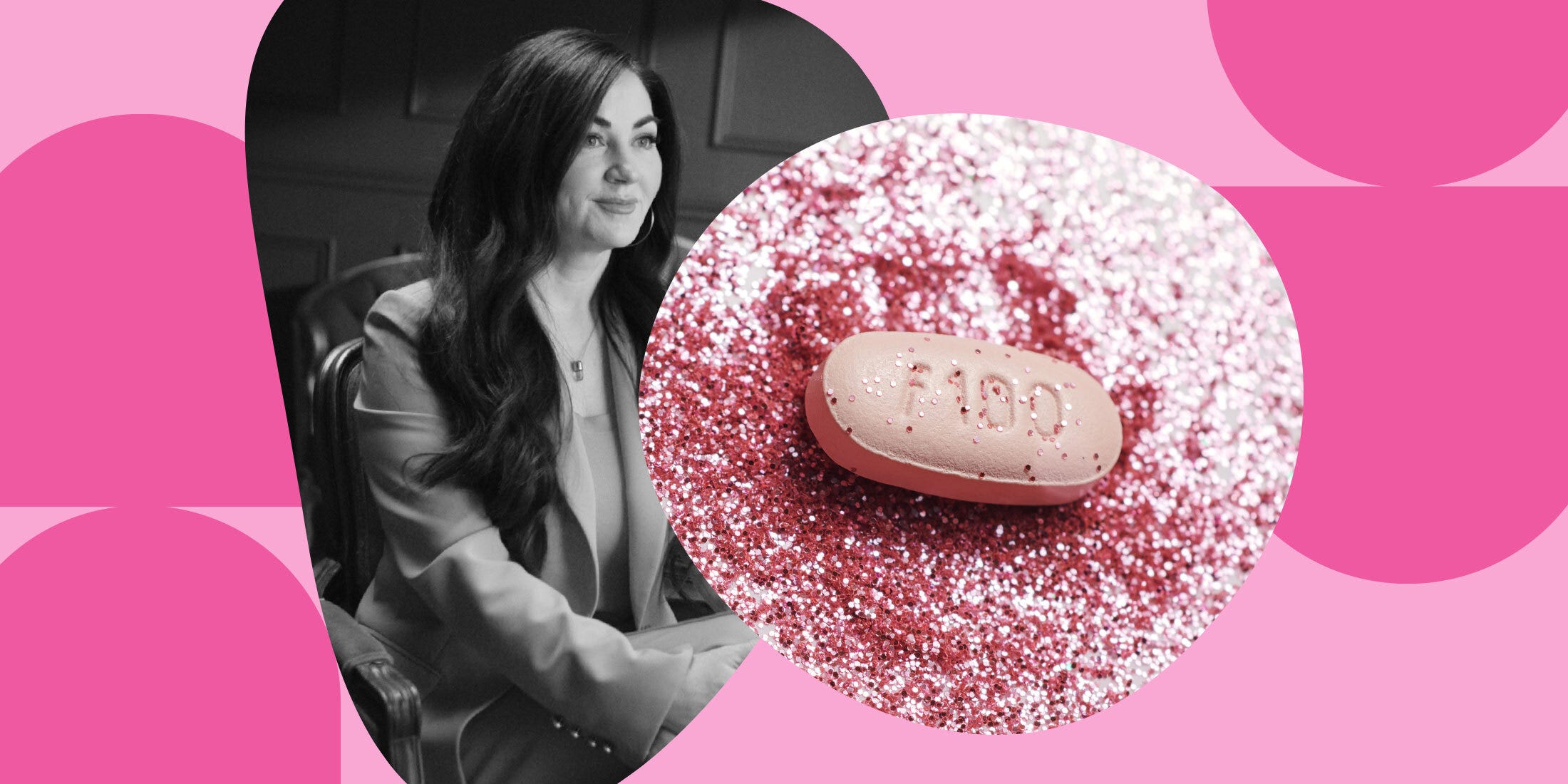
Remember when Viagra broke the internet—and even snagged the cover of Time magazine—for answering a glaringly obvious need? Well, imagine being Cindy Eckert, the powerhouse behind Addyi, the first-ever pill for women’s hypoactive sexual desire disorder (HSDD), and watching her groundbreaking work tucked away in the shadows while men’s ED meds stacked up approval after approval. Talk about a missed starring moment! After wrestling a grueling five-year battle for FDA approval and contending with a mountain of double standards, Cindy and Addyi are finally coming into the spotlight with The Pink Pill, a documentary that’s more than just about a pill—it’s about shattering stigma, reclaiming bodily autonomy, and saying loud and clear that women’s pleasure matters. If you’ve ever wondered why female sexual health still feels like the last taboo at the table, this story might just change your mind…and spark a few powerful conversations along the way. Ready to dive into the fight, the facts, and the fierce advocacy? LEARN MORE
 6 min read
“When Viagra came to market, it was deemed to meet such an important unmet medical need, it was put on the cover of Time magazine,” Cindy Eckert, the founder and CEO of Sprout Pharmaceuticals, told me last spring.
Her company makes Addyi, the first medication designed to treat hypoactive sexual desire disorder (HSDD), the most common type of sexual dysfunction in women. “We had three times as many patients’ worth of data, and more women struggle with this issue than men have ED,” she continued. “I missed when they put us on the cover.”
Now, Cindy and Addyi are (finally) receiving their due with The Pink Pill, a new documentary streaming on Paramount+ this Friday, March 6.
“I think The Pink Pill movie is the cultural reckoning with the fact that there never was a Time cover,” Cindy says ahead of the film’s North American premiere in Toronto on March 5. “It’s not the celebration of the science. It’s the ‘Why the hell did we have to go through this to get to this moment?’”
Directed by Aisling Chin-Yee, the film chronicles Cindy’s five-year–long journey to receive FDA approval of flibanserin, the active ingredient in Addyi, but it also shows how that struggle is representative of the larger—and relentless—fight for a woman’s right to choose what she does with her body.
“We talk about pleasure, but it is so related to the conversation we’re having about bodily autonomy right now,” says Chin-Yee. “It kind of gets lost under what’s going on, particularly in America, with reproductive rights… [But] it’s not a frivolous, taboo conversation because, at the end of the day, it’s about choice. It’s about agency. It’s about bodily autonomy. And it’s about getting respected by the regulatory bodies, by your doctor, by all of these systems that we have to interact with every day.”
While The Pink Pill certainly lives up to its name, the documentary is not a blanket endorsement for Addyi. It doesn’t shy away from discussing the common side effects of flibanserin (sleepiness, dizziness, nausea), but it does point out the deluge of double standards that plagued the medication’s FDA approval process.
At the time, there were 25 FDA-approved medications to treat sexual dysfunction in men, and as Addyi conducted more studies and jumped through more hoops to meet additional criteria for FDA approval, a twenty-sixth medication got the green light, even though this one carried a potential side effect of “penile rupture.”
Addyi’s detractors often cited concerns around efficacy and side effects, and one of the best responses (that ultimately didn’t make it into the final cut) came from Dr. Sarah Cigna, MD, an assistant professor of obstetrics & gynecology at George Washington University and director of the Sexual Health and Gender Affirmation Center.
She was one of a dozen sexual health experts interviewed in the film about the importance of Addyi as one possible treatment option for female sexual dysfunction. “Dr. Cigna said, ‘Well, do you know why there are 26 options for men? It’s because they’re not all gonna work on the same guy,’” Chin-Yee recalls of their interview. “They have a menu that they can pick from, [but for women,] here’s the one drug that has to do everything. And if it doesn’t do that, then erase this idea from the market.”
Chin-Yee likens Addyi’s struggle as the only medication for female sexual dysfunction to that of female CEOs or directors. “We only get one very high stakes shot,” she says, “and [if we fail], then it’s just the proof why it was never good in the first place.”
Ultimately, the film is not about perfecting the pink pill (because it’s virtually impossible, every medication comes with side effects), but encouraging women to trust themselves and take control of their sexual health.
“I don’t have a woman in my life that hasn’t felt some sort of challenging experience within the medical system—they felt like their concerns were brushed aside, or they were told to get over it or redirect it,” says Joanna Griffiths, the CEO and founder of Knix and an executive producer of The Pink Pill. (The Knix Fund, the philanthropic arm of the women’s intimates brand, partially funded the documentary.) “I hope that this film shows that we’re not alone, that once we bring these topics out of the shame and we remove the stigma, we can give them the light and the power they deserve. When we’re more informed in our own health journey, we can advocate for ourselves better.”
Griffiths had never heard of HSDD or Addyi before getting involved with the film, but like many women, she’d experienced periods of low libido, often due to hormonal changes or stress. “It’s always been something that I’ve been quite open about with my friends, but to understand and hear that it’s such a bigger topic, and then just to have a platform where people can talk about it, that felt really important to me,” she says. “If you really want to drive conversation and change, the best way to do that is through storytelling.”
It’s not just Cindy’s story—that of the pink-clad warrior for woman’s sexual health—that is compelling. The Pink Pill features interviews with real women with HSDD, all willing to share how this condition has impacted their sex lives: the sudden feeling of something lost, the disconnect from their partner, and the no-stone-left-unturned search for a solution. “I think what resonates is that my story is her story is her story is her story,” Cindy says.

Cindy Eckert in The Pink Pill documentary.
On June 4, 2015, the FDA heard testimonies from both sides of the flibanserin fight. Many of the people advocating for approval were women who were diagnosed with HSDD and had participated in a clinical trial with Addyi, like Barbara Gattuso. She and her daughter, Vicky, had both been diagnosed with HSDD, and her daughter was actually going through a divorce due to the issues in her and her husband’s sex life.
Griffiths admits that she cries every time she watches that mother-daughter moment, a sentiment echoed by many other women at the film’s Toronto premiere (myself included). “I really believe that film can play a very special role in opening people’s minds and sparking conversations,” she says. “I hope The Pink Pill encourages people to talk more openly about a really important topic, and I hope it encourages people to view women’s sexual health as a part of women’s health because they’ve often been deemed as quite separate.”
It doesn’t hurt that this documentary is available on a major streaming platform, making it accessible to a wide audience. “This is the type of movie that you should watch with your friends in your living room, and you can chat during, and you can pause and go, ‘Oh my God, that exact thing happened to me,’” says Chin-Yee. Although the film is about serious topics (one more time for the people in the back: women’s right to sexual pleasure matters), she wanted to create a “a movie for a book club kind of vibe.”
The Pink Pill is by women, for women, so it might seem surprising that it found a home at Paramount+, the streaming platform primarily known for TV shows mainly geared toward male audiences (Yellowstone, Landman, and the rest of Taylor Sheridan cinematic universe). But they were interested in Knix’s documentary funding initiative from the very beginning, Griffiths says, which encouraged her and Julie Bristow, the founder of Catalyst (another partner in the film) to pursue a project that had universal appeal, and therefore, would be impossible to ignore. Cue the unmissable and unapologetically pink movie poster, which the filmmakers hope sparks the curiosity of male viewers, too.
Ultimately, the goal of the documentary is to raise awareness of HSDD, highlight the broader issues surrounding women’s sexual health, and let patients know that they have options. Cindy still dreams of the day when the pink pill will have a similar cultural impact as the pill. “Whether or not you ever took the birth control pill, if you were born after it was available to you, you actually had a vocabulary around your reproduction. And if I had a big audacious goal for Addyi, it would be to give everyone a vocabulary around their pleasure,” she says. “I hope that women feel entitled to their own pleasure, and that they own it beyond the bedroom.”
The Pink Pill is available to stream on Paramount+.
Lindsay Geller is the lifestyle director at Women’s Health, where she oversees the Sex & Love, Relationships, and Life sections and manages Women’s Health+ content. She has 10 years of experience covering sex, relationships, health, fitness, and general lifestyle topics for print and digital publications. She currently lives in New Jersey with her husband and loves going on runs around her local park with her rescue dog.

TCL 65 Inch Class T7 Series | 4K QLED HDR | 65T7, 2025 Model | 120HZ-144HZ High Brightness Smart Google TV Dolby Atmos Audio | Voice Remote Alexa Gaming Streaming Television
$499.99 (as of March 30, 2026 02:16 GMT +00:00 - More infoProduct prices and availability are accurate as of the date/time indicated and are subject to change. Any price and availability information displayed on [relevant Amazon Site(s), as applicable] at the time of purchase will apply to the purchase of this product.)
Cideny Free Standing Dog Gate Indoor, Foldable Dog Gate for Doorways Stairs Hallways, 3-Panel Freestanding Pet Gate with Support Feet for Stability, Folding Puppy Gate Easy to Move, Doggy Gate 54"x24"
$34.99 (as of March 30, 2026 02:16 GMT +00:00 - More infoProduct prices and availability are accurate as of the date/time indicated and are subject to change. Any price and availability information displayed on [relevant Amazon Site(s), as applicable] at the time of purchase will apply to the purchase of this product.)
Apple iPad 11-inch: A16 chip, 11-inch Model, Liquid Retina Display, 128GB, Wi-Fi 6, 12MP Front/12MP Back Camera, Touch ID, All-Day Battery Life — Blue
$299.00 (as of March 30, 2026 02:16 GMT +00:00 - More infoProduct prices and availability are accurate as of the date/time indicated and are subject to change. Any price and availability information displayed on [relevant Amazon Site(s), as applicable] at the time of purchase will apply to the purchase of this product.)
Amazon Fire TV Stick 4K Plus (newest model) with AI-powered Fire TV Search, Wi-Fi 6, stream over 1.8 million movies and shows, free & live TV, find shows faster with Alexa+
$24.99 (as of March 30, 2026 02:16 GMT +00:00 - More infoProduct prices and availability are accurate as of the date/time indicated and are subject to change. Any price and availability information displayed on [relevant Amazon Site(s), as applicable] at the time of purchase will apply to the purchase of this product.)









Post Comment