How I Broke Free from Ultra-Processed Foods When Everyone Else Thinks It’s Impossible—And You Can Too
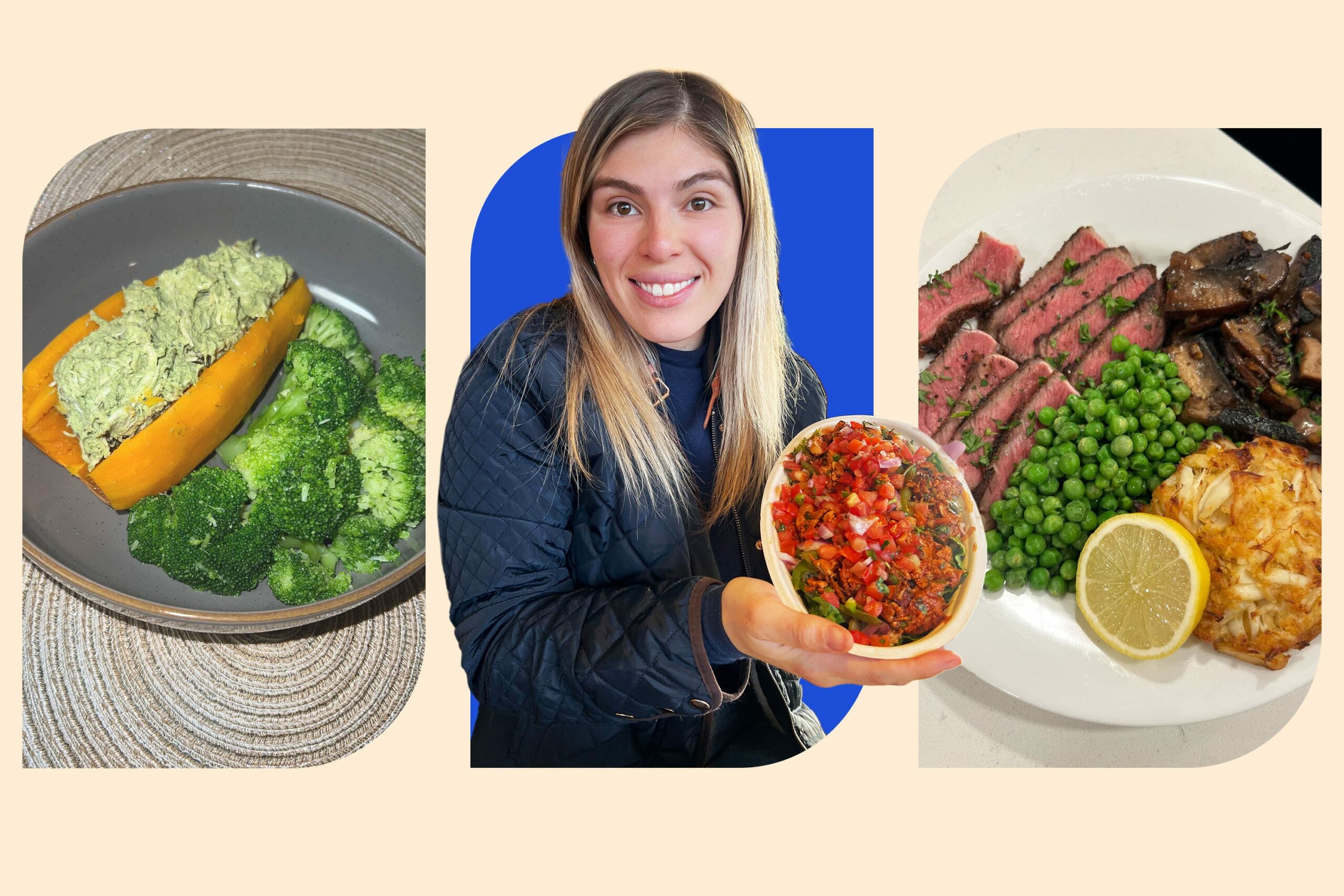
Ever find yourself mindlessly munching on chips or gulping down that extra-sweet vanilla latte, thinking it’s all harmless? Yeah, me too—until my body threw a serious tantrum in the form of chronic fatigue, relentless brain fog, and drastic weight swings. What if those ultra-processed foods lurking in your pantry are the sneaky villains disrupting your health more than you realize? I’ve been down that road, battling mystery symptoms for years, only to discover that ditching those chemical-laden snacks and embracing whole, natural foods wasn’t just a diet change—it was a total game-changer. Ready to break up with ultra-processed foods and feel like a completely new person? Let me share my journey and how I’ve stayed strong off that crazy conveyor belt of additives and preservatives for almost two years now.
 6 min read
Ultra-processed foods were a regular part of my childhood. Our pantry was always stocked with snacks made with refined ingredients, additives, and industrial processing rather than whole, natural foods—Lay’s chips, Doritos, Oreos, Frosted Flakes, fast food, you name it. For much of my life, I never thought twice about it, and as an adult, I frequently ate fast food, drank a large extra-sweet vanilla latte from Starbucks daily, and noshed on chips and crackers throughout the day. But a few years ago, when I was 24, I started experiencing chronic fatigue, serious brain fog, thinning hair, and rapid weight gain. I saw multiple doctors and was prescribed a handful of medications, but nothing helped.
I kept seeking medical care and eventually, after more than two years without answers, I was diagnosed with Hashimoto’s disease (a chronic autoimmune disorder where the immune system attacks the thyroid gland) and hypothyroidism (a condition where the thyroid gland doesn’t produce enough thyroid hormone). I started a new medication to manage my symptoms, but treatment also required diet and lifestyle changes. So I began working with a holistic nutritionist because I wanted a practitioner with a whole-person approach who would support my body at a foundational level rather than just managing symptoms.
At our first meeting, she said I wasn’t eating as well as I thought, and relying on ultra-processed foods, even those I thought were “healthy,” was hindering my body from functioning properly. She recommended I completely cut out ultra-processed foods and instead prioritize whole foods like fruits, vegetables, and lean meat.
The realization that I’d have to overhaul my diet was overwhelming, but I was determined to feel better.
So, with my nutritionist’s guidance, I learned to read nutrition labels, research healthier brands, and create balanced meals. She also taught me the difference between processed foods and ultra-processed foods—there isn’t always a clear line to distinguish the two, but I define ultra-processed foods as anything with ingredients I can’t pronounce or wouldn’t find in my own kitchen.
The first few weeks were really hard; I craved my sugary latte in the morning, chips in the afternoon, and chocolate for dessert. In the beginning, I gave in to those cravings more than I’d like to admit, but rather than seeing it as failure, I treated it as feedback. I never wanted to restrict myself or view my new way of eating as punishment, so if a craving won, I made it a point to look for healthier alternatives so I’d be prepared the next time it hit. Grocery shopping also took much longer since I had to read every nutrition label and hunt for new products.

But after four months, I truly felt like a new person—my energy, mood, and overall health had transformed. My cravings also dissipated, and I got the hang of grocery shopping and learning which foods did or didn’t work for me. I recognize that medication played a role in improving some of my symptoms, but I believe the dietary changes also made a huge difference.
Here’s how I’ve stayed completely free of ultra-processed foods for nearly two years now:
1. I read ingredient lists instead of relying on packaging claims.
I do my best to prioritize fresh, organic whole foods like fruits, vegetables, and lean meat, but when it comes to anything packaged, I’ve stopped trusting marketing buzzwords, like “healthy,” “high-protein,” or “low-sugar,” that are often plastered on the front of products. Instead, I only focus on the ingredient list. My rule is simple: If the product has an ingredient I can’t pronounce or cook with myself, I avoid it. I also follow the principle that snacks with fewer ingredients are better, as it usually means they’re closer to whole foods. These shifts have allowed me to make more informed choices.

2. I focus on better alternatives instead of restriction.
One of the biggest realizations I had when cutting out ultra-processed foods was that I didn’t have to give up the foods I love—I just needed to choose healthier versions. For instance, I mostly eat real, whole foods, but I wanted to include a few packaged items, especially when it comes to snacks. It took some trial and error to find alternatives that actually tasted good, but I was patient with the process and kept trying.
Eventually, I found brands like Siete Foods, Jovial Foods, Otto’s Naturals, Paleovalley, and Purely Elizabeth that offer delicious chips, crackers, pastas, granolas, and beef jerky. Some of my snacks are processed, meaning they’re made from whole foods with basic, recognizable ingredients, but none of them are ultra-processed with additives and fillers. Discovering these alternatives has helped me feel empowered instead of restricted; because I genuinely enjoy the foods I’m choosing, this way of eating is sustainable and never leaves me feeling like I’m missing out.

3. I surround myself with a strong support system and people I can learn from.
Cutting out ultra-processed foods felt isolating at some points since they were such a prominent part of my diet, but having the support of my family, partner, and nutritionist has made all the difference. My mom and partner now eat in a similar way, which makes me feel less alone, and my friends have been incredibly supportive, never passing judgement. I’m especially grateful for my nutritionist, who’s guided me through the process, answered all my questions, and taught me how to eat in a way that best supports my body and tastebuds.
I’ve also found it incredibly helpful to follow inspiring online creators I can learn from. Some of my favorites resources that share simple, healthy recipes focused on whole foods are Danielle Walker, Mary Shenouda, Unbound Wellness, and The Defined Dish. Whether it’s a new meal, great product recommendation, or just connecting with others living a similar lifestyle, I’ve found so much value in learning from like-minded people.
4. I plan ahead.
To make mealtime simple and stress-free, I meal prep on the weekends, make extra of every meal so I have leftovers, and keep fresh, whole ingredients stocked, pre-washed, and ready to use. It’s still not as quick as opening a packaged snack or grabbing fast food. But after four months of figuring out a new rhythm with grocery shopping and learning to make simple meals I genuinely enjoyed (sometimes using basic ingredients like Jovial Foods spaghetti and Bionature pasta sauce), the process became automatic. Plus, once I started physically feeling better, staying consistent became much easier because I didn’t want to go back to how I felt before.

I switch up my meals regularly to add variety, but a typical day of eating may look like the following:
- Breakfast: Scrambled pasture-raised eggs with spinach, mushrooms, red peppers, olive oil, and avocado
- Lunch: Ground chicken or turkey sautéed with garlic, ginger, coconut aminos, and lime, wrapped in butter lettuce
- Dinner: Flank steak with roasted potatoes and green beans
I eat most of my meals at home, but I’m intentional when dining out or traveling. Before heading to a restaurant, I review the menu in advance and usually opt for fish, steak, and vegetable-based dishes instead of pasta or fried food. I also request sauces on the side, since they’re usually high in added sugar and sodium and may contain oils I otherwise try to avoid.
When traveling, I always make sure to pack convenient, nourishing snacks in my purse. Some of my staples include hard boiled eggs, fresh fruit, raw nuts, New Primal spicy grass-fed beef sticks, and Siete kettle cooked sea salt chips.

The New Primal Spicy Beef Sticks

Siete Sea Salt Potato Chips
5. I give myself grace.
Eliminating ultra-processed foods isn’t easy, and it definitely doesn’t happen overnight. My goal is to never restrict myself, so there are times when I’ll choose to have a slice of deep-dish pizza while on a trip to Chicago. Not every meal is going to be perfect, and that’s okay—what matters most is staying consistent.
Throughout the last two years, I’ve learned that progress always outweighs perfection. One meal or choice doesn’t define your overall habits, and giving yourself grace makes long-term consistency possible. For me, focusing on sustainable routines over flawless execution has been the secret sauce to making my ultra-processed-food-free lifestyle realistic, empowering, and a game-changer for my overall health.
Andi Breitowich is a freelance writer who covers health, fitness, relationships, beauty, and smart living. She is a graduate of Emory University and Northwestern University’s Medill School of Journalism. Her work has appeared in Women’s Health, POPSUGAR, Food & Wine, What To Expect, Cosmopolitan, Men’s Health, and elsewhere. As a former collegiate pole vaulter, she loves all things fitness and has yet to meet a group workout class she doesn’t like.

Pedigree Dentastix Large Dog Treats, Original, Beef & Fresh, 2.73 lb. Variety Pack (51 Treats Total)
$23.98 (as of April 11, 2026 02:22 GMT +00:00 - More infoProduct prices and availability are accurate as of the date/time indicated and are subject to change. Any price and availability information displayed on [relevant Amazon Site(s), as applicable] at the time of purchase will apply to the purchase of this product.)
FGO Organic Hibiscus Tea, 100 Count, Eco-Conscious Tea Bags, Caffeine Free, Packaging May Vary (Pack of 1)
$22.00 (as of April 11, 2026 02:23 GMT +00:00 - More infoProduct prices and availability are accurate as of the date/time indicated and are subject to change. Any price and availability information displayed on [relevant Amazon Site(s), as applicable] at the time of purchase will apply to the purchase of this product.)
Anker Outlet Extender, Power Strip with 300J Surge Protector, 10-in-1 with 6 AC, 2 USB A, 2 USB C Ports, Wide-Spaces Outlets and 20W Fast Charging, Dorm Room Essentials
$15.99 (as of April 11, 2026 02:34 GMT +00:00 - More infoProduct prices and availability are accurate as of the date/time indicated and are subject to change. Any price and availability information displayed on [relevant Amazon Site(s), as applicable] at the time of purchase will apply to the purchase of this product.)
Twelve South AirFly SE | Bluetooth Wireless Audio Transmitter Adapter for AirPods/Headphones, 20+ Hr Battery, Works with 3.5mm aux Jacks on Airplanes, TVs, Gym Equipment, and Travel
$34.97 (as of April 11, 2026 02:35 GMT +00:00 - More infoProduct prices and availability are accurate as of the date/time indicated and are subject to change. Any price and availability information displayed on [relevant Amazon Site(s), as applicable] at the time of purchase will apply to the purchase of this product.)













Post Comment