Human Metapneumovirus Is Sneaking Back—Here’s What You Need to Know Before It Hits Your Squad Hard!
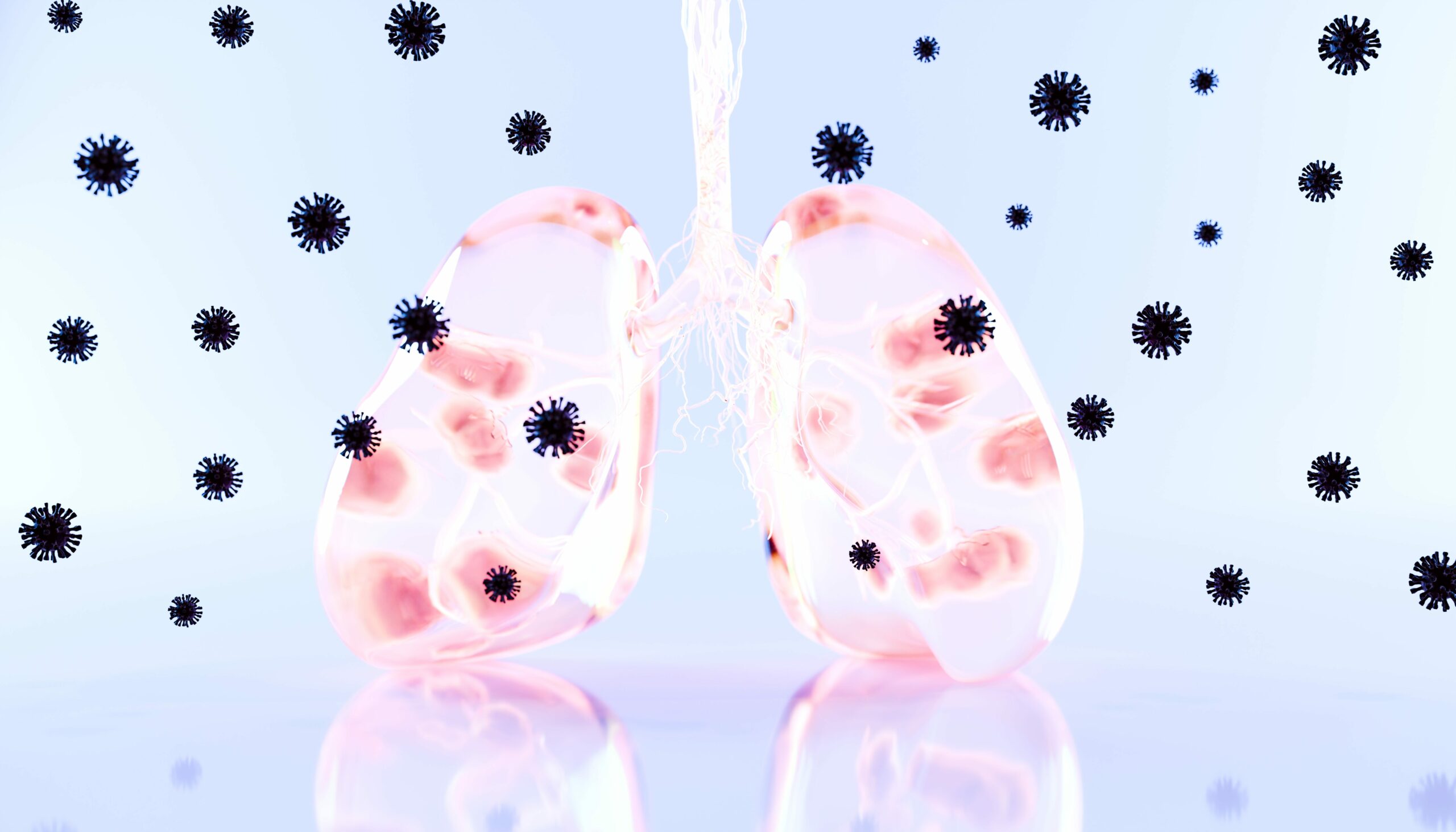
So, here we go again—another virus popping up on the radar, and this time it’s human metapneumovirus, or HMPV if you want to sound like a pro at your next dinner party. No vaccine, no magic cure—just a sneaky little bug spreading across the country. You might be wondering, should I panic or just stick with my usual cold-and-flu hustle? Well, hold your horses. Infectious disease experts like Amesh Adalja and Thomas Russo remind us this isn’t some Frankenstein virus; it’s more of a “nuisance” player in the respiratory lineup. Sure, it’s on the rise—from New Jersey to California—spotlighted by the National Respiratory and Enteric Virus Surveillance System and wastewater scans, but it’s nothing completely new under the sun. Seasonality, common symptoms, and standard precautions all apply here. Ready to take a closer look at what HMPV really means for you and your health game? Let’s dive in. LEARN MORE.
 3 min read
Cases of a virus with no vaccine and no specific treatment are popping up across the country. It’s called human metapneumovirus, or HMPV, and it’s on the rise nationwide, according to data from the National Respiratory and Enteric Virus Surveillance System (NREVSS). WastewaterSCAN data, which tracks pathogens in wastewater, also currently shows a “high concentration” of HMPV, with clusters in New Jersey and California.
It’s reasonable to be concerned about a virus without a vaccine or treatment, but infectious disease doctors advise caution rather than alarm. Here’s why.
Meet the experts: Amesh A. Adalja, MD, is a senior scholar at the Johns Hopkins Center for Health Security; Thomas Russo, MD, is a professor and chief of infectious diseases at the University at Buffalo in New York.
What is human metapneumovirus?
Human metapneumovirus is a virus that can cause upper and lower respiratory tract infections in people, according to the Centers for Disease Control and Prevention (CDC). The virus can infect anyone, but younger children, people with weakened immune systems, and older adults are the most vulnerable to getting sick with HMPV.
It was first identified in the Netherlands in 2001 (but was found to have been circulating as early as the 1950s) and is in the same class of viruses as respiratory syncytial virus, or RSV.
“It’s a little bit more of a nuisance virus,” explains Thomas Russo, MD, a professor and chief of infectious diseases at the University at Buffalo in New York. Meaning that, “it’s not as virulent” as things like the flu, COVID, or RSV.
Symptoms of HMPV usually overlap with those of other respiratory viruses and can include cough, fever, nasal congestion, and shortness of breath. More severe infections can lead to bronchitis, pneumonia, middle ear infections, bronchiolitis (an infection of the small airways), and asthma attacks.
According to the NIH, gastrointestinal symptoms can also occur with HMPV and be more severe in older adults with comorbidities or weakened immune systems.
How does human metapneumovirus spread?
Russo says that HMPV spreads similarly to other respiratory viruses. He explains that this means you can get the virus from close personal contact with someone who is sick, breathing in air that’s been infected by someone with HMPV who coughed or sneezed, or touching objects that have the virus on them and then touching your mouth, nose, or eyes.
Why are cases increasing?
The increase in cases isn’t shocking, according to infectious disease experts. “HMPV cases increase every year—it is a routine seasonal respiratory virus,” says Amesh A. Adalja, MD, a senior scholar at the Johns Hopkins Center for Health Security.
HMPV tends to peak in late winter and early spring, adds Russo. “This is pretty typical in terms of when we see cases,” he explains.
Adalja also notes that it’s more than likely you’ve already had HMPV growing up. “Infection is ubiquitous in childhood,” he says.
What to do if you suspect you have HMPV
While there are tests for human metapneumovirus, it’s not something you can usually get at your PCP’s office. Instead, these tend to be used in diagnostic panels you might get at a hospital, Russo says.
There’s also no specific antiviral treatment for HMPV, explains Adalja. Russo says this means that doctors usually recommend supportive care, such as drinking plenty of water and getting rest. Basically, it’s a good idea to follow your usual flu/cold protocol, stay home, and keep an eye on your symptoms in case they worsen.
“Pay attention to the warning signs of developing a severe respiratory infection,” Russo says. If you have any symptoms like dizziness, blue lips, or confusion, it’s time to see a provider to make sure you’re getting enough oxygen.
Beyond that, don’t let the fact that there’s no vaccine or antiviral treatment scare you too much—there are many common respiratory viruses that don’t have a vaccine or specific treatment, like the common cold
How to lower your risk of getting HMPV
The same measures that help to protect you from other respiratory viruses also work against HMPV, Russo says. That means doing your best to avoid people who are obviously sick, practicing good hand hygiene, and avoiding touching your nose, mouth, and eyes.
If you’re considered high risk for more severe forms of HMPV, Russo recommends avoiding crowded indoor settings. If you can’t avoid such settings, wearing a mask is a good idea.
Just keep this in mind, per Adalja: “The vast majority of people have no issue with HMPV infection.”
Korin Miller is a freelance writer specializing in general wellness, sexual health and relationships, and lifestyle trends, with work appearing in Men’s Health, Women’s Health, Self, Glamour, and more. She has a master’s degree from American University, lives by the beach, and hopes to own a teacup pig and taco truck one day.
Amazon Fire TV Stick HD (newest model), free and live TV, Alexa Voice Remote, smart home controls, HD streaming
$19.99 (as of April 12, 2026 02:24 GMT +00:00 - More infoProduct prices and availability are accurate as of the date/time indicated and are subject to change. Any price and availability information displayed on [relevant Amazon Site(s), as applicable] at the time of purchase will apply to the purchase of this product.)
Sparkling Ice, Black Raspberry Sparkling Water, Zero Sugar Flavored Water, with Vitamins and Antioxidants, Low Calorie Beverage, 17 fl oz Bottles (Pack of 12)
$12.00 (as of April 12, 2026 02:24 GMT +00:00 - More infoProduct prices and availability are accurate as of the date/time indicated and are subject to change. Any price and availability information displayed on [relevant Amazon Site(s), as applicable] at the time of purchase will apply to the purchase of this product.)
Amazon Fire TV 32" 2-Series (newest model), HD smart TV with Alexa Remote, fast streaming, Dolby Audio, Ambient Experience, free and live TV, find shows faster with Alexa+
$144.99 (as of April 12, 2026 02:24 GMT +00:00 - More infoProduct prices and availability are accurate as of the date/time indicated and are subject to change. Any price and availability information displayed on [relevant Amazon Site(s), as applicable] at the time of purchase will apply to the purchase of this product.)
Blueberries, 1 Pint
(as of April 12, 2026 02:24 GMT +00:00 - More infoProduct prices and availability are accurate as of the date/time indicated and are subject to change. Any price and availability information displayed on [relevant Amazon Site(s), as applicable] at the time of purchase will apply to the purchase of this product.)














Post Comment