Iran’s Bold Play: US Talks in Islamabad Signal War Game Nearly Won—What This Means for Global Power and Your Investments
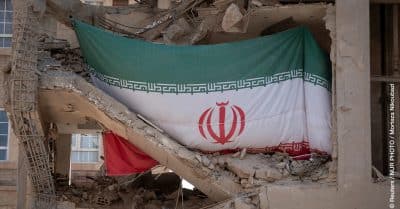
When Iran’s Supreme National Security Council announced plans to engage in talks with the U.S. in Islamabad, signaling that their war objectives are “mostly achieved,” markets didn’t just blink—they sprinted. Imagine watching odds for a ceasefire by April 15 skyrocket from a mere 12% to a full-on 100% in just 24 hours—that’s the kind of seismic shift that turns heads and wallets alike. It begs the question: are we witnessing the dawn of a genuine peace, or is this just a strategic lull in a high-stakes geopolitical chess game? The sheer volume of real capital backing these moves—over $1.3 million traded on the April 15 contract alone—tells me this isn’t some fleeting rumor but a serious market conviction. Yet, with Iran’s tough stance on key issues like control over the Strait of Hormuz and its proxy networks, the real drama is just unfolding. As we zero in on Islamabad, every shift in dialogue, every quiet move by intermediaries could reshape not only the ceasefire odds but the entire game plan for the region. Ready to dive deeper into this fast-moving saga? LEARN MORE
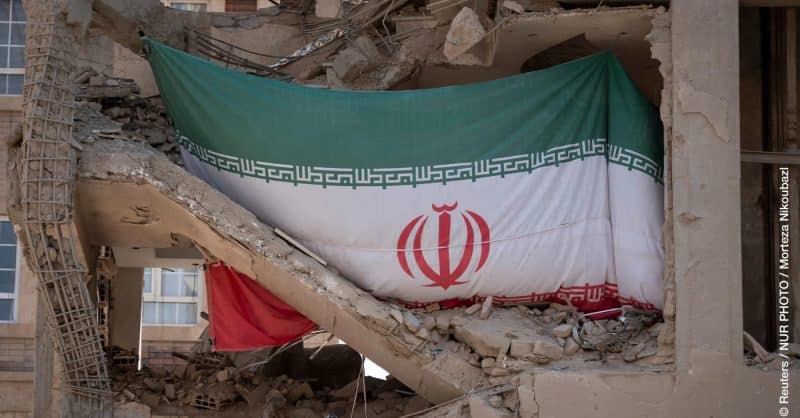
Iran’s SNSC announced plans for talks with the US in Islamabad, stating war objectives are mostly achieved. The ceasefire by April 15 market is at 100% YES, up from 12% just 24 hours ago.
## Market reaction
The April 15 ceasefire market moved fast. The largest single jump was 24 points at 10:34 PM, pushing odds from 67% to 90%. The April 30 and May 31 markets both sit at 100% YES. Traders are pricing the ceasefire as near-certain across all timeframes.
## Why it matters
Actual USDC traded on the April 15 contract reached $1,385,525, showing real capital behind the move. Depth is solid, requiring significant capital to shift prices, consistent with a market that has settled rather than one being pushed around by thin order books.
Iran’s negotiating position rests on closing the Strait of Hormuz and maintaining proxy networks, though it has taken heavy military losses. Their maximalist demands could still stall formal agreement. For traders, the question is whether these talks produce a binding deal or just a temporary pause in hostilities.
## What to watch
The Islamabad talks themselves are the next catalyst. Track changes in US rhetoric, intermediary activity from Oman or Qatar, and any specific diplomatic concessions. These will determine whether the ceasefire holds or whether longer-dated markets start to reprice.
## API access
Get prediction market intelligence as a structured API feed. Early access waitlist.
40 Premium Soursop Graviola Leaf Tea Bags, 100% Natural and Pure from Soursop Leaves, Handmade, Made With Natural Materials-Corn Fiber Tea Bag, Sugar/Caffeine/Gluten Free, Hoja Guanabana Tea
$11.99 (as of April 8, 2026 02:21 GMT +00:00 - More infoProduct prices and availability are accurate as of the date/time indicated and are subject to change. Any price and availability information displayed on [relevant Amazon Site(s), as applicable] at the time of purchase will apply to the purchase of this product.)
Dunkin’ Zero Sugar Refreshers Singles To Go! Powdered drink mix packets, 40 Ct Variety Pack, 40 Single serve Packets per Box (40 servings), Energy from Green Tea, aspartame-free, no synthetic colors, naturally and artificially flavored, just add water
$12.98 (as of April 8, 2026 02:21 GMT +00:00 - More infoProduct prices and availability are accurate as of the date/time indicated and are subject to change. Any price and availability information displayed on [relevant Amazon Site(s), as applicable] at the time of purchase will apply to the purchase of this product.)
Blue Buffalo Tastefuls Flaked Chicken Pate Natural Wet Food for Adult Cats, 5.5 oz., Case of 12
$42.11 (as of April 8, 2026 02:21 GMT +00:00 - More infoProduct prices and availability are accurate as of the date/time indicated and are subject to change. Any price and availability information displayed on [relevant Amazon Site(s), as applicable] at the time of purchase will apply to the purchase of this product.)
Sheba Perfect Portions Wet Cat Food Cuts in Gravy, Cat Food Wet Recipe, Roasted Chicken Entree, with Sustainable Salmon, Tender Turkey Entree, 2.6 oz. Twin-Pack Trays (24 Count, 48 Servings)
$23.38 (as of April 8, 2026 02:21 GMT +00:00 - More infoProduct prices and availability are accurate as of the date/time indicated and are subject to change. Any price and availability information displayed on [relevant Amazon Site(s), as applicable] at the time of purchase will apply to the purchase of this product.)










Post Comment