Is Masculinity Real—or Just the Latest Marketing Scam Designed to Hook You?
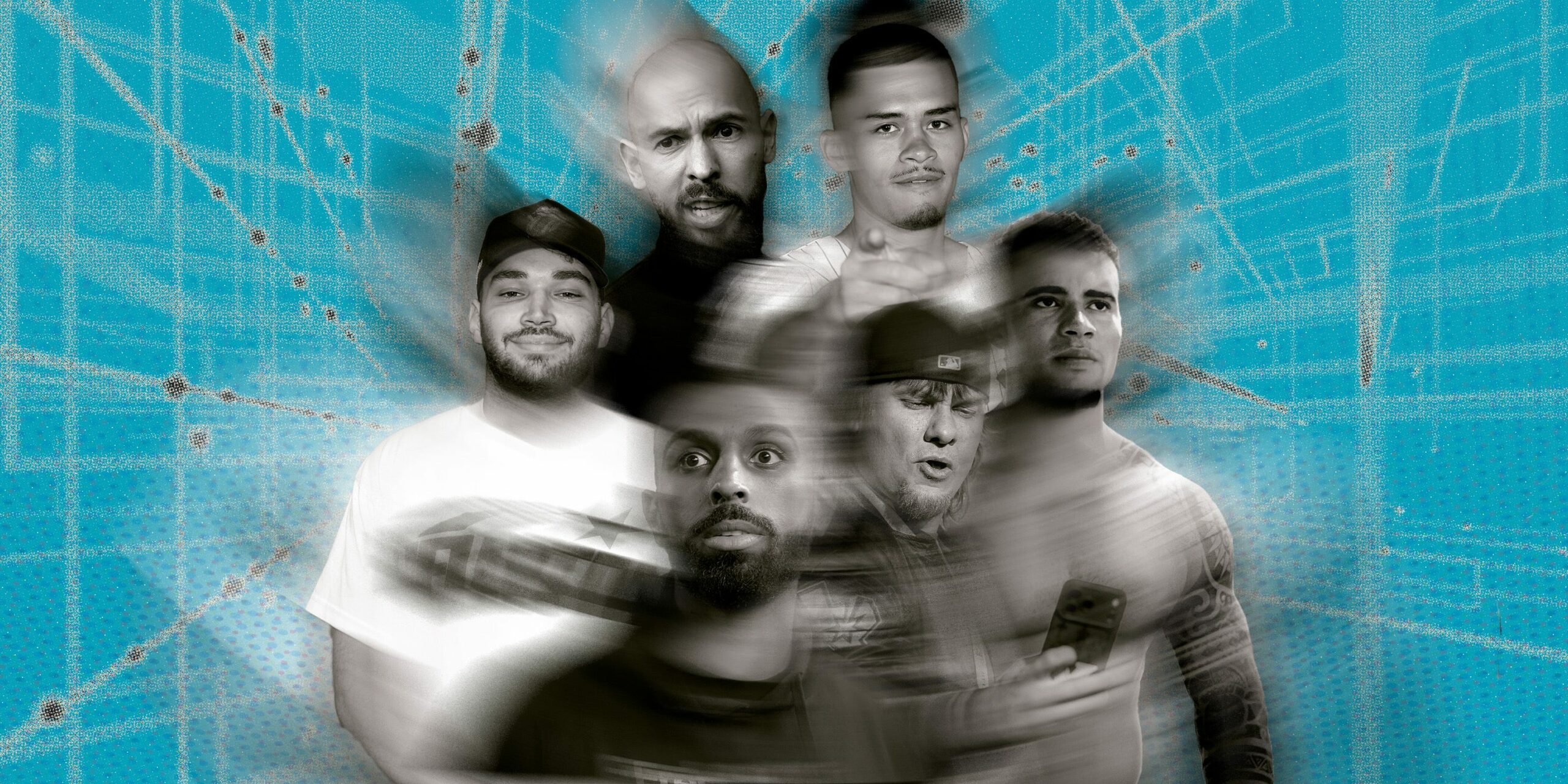
How do you know when you’ve stumbled smack dab into the manosphere? One minute, you’re scrolling past gym selfies and celebrity meet-and-greets—smoking cigars, looking sharp, the usual influencer flex. Next thing you realize, your new follow isn’t just about biceps and hustle; it’s served up with a hefty side of hyper-masculine takes, gender rants, and bite-sized cultural firestorms designed to go viral. Welcome to the wild, tangled web Louis Theroux dives into with Inside the Manosphere. This isn’t your grandma’s corner of the internet—nope, it’s a booming digital battleground where muscle meets messaging, and where the lines between self-help and outright hostility blur. If you’ve ever wondered what happens behind those 9:16 vertical videos and snarky soundbites, Theroux’s latest documentary serves up an unfiltered checkpoint. Buckle up, it’s a complex beast—sometimes comical, often unnerving, always worthy of a closer look.
 4 min read
HOW EXACTLY DO you know if you’ve made it to the manosphere? On a road paved with viral clips and Reddit threads, you’ve likely veered into the territory, maybe even without noticing. Picture this: you come across a guy posting gym content or sitting behind a mic on a podcast set. He posts a picture meeting a celebrity or smoking a cigar. Maybe both at the same time. Nothing surprising there, right? Influencers gonna influence.
Maybe it takes you a minute to realize that your new follow is unusually fixated on gender relations and masculine identity, with messages and ideas chopped into little bits, trying to go viral. You’ve arrived.
At least, this is the rough sketch of the space according to Louis Theroux’s new documentary Inside the Manosphere. The film’s definition focuses on a group of almost exclusively male influencers who have become extreme in their messaging to the point of infamy. This is no niche corner of the internet; it was only a matter of time before Theroux, a celebrated British documentarian, got involved. (Even if you’ve haven’t seen his work, you’ve definitely heard him: He’s the “My money don’t jiggle jiggle, it folds” guy.)
“We really wanted to see behind the 9:16 dream world they’ve created,” director Adrian Choa tells Men’s Health, referring to the size ratio of video filmed on a smartphone. The film has unprecedented access to some of the most vocal influencers, notorious for their distrust of mainstream media.
From Abs to Antisemitism
Theroux makes contact with influencers like Harrison Sullivan (who goes by HSTikkyTokky), Justin Waller, and Myron Gaines–so-called ‘red pill’ bros, who claim men are threatened by governments that care more about women and call for nothing less than the ending of feminism. In classic Theroux fashion, he pokes and prods, trying to acquaint himself with the men behind the messaging.
“There’s a lot of programming around the manosphere where [they’re] treated as 2D villains,” Choa says. “Louis is an expert in conversation and not being immediately hostile.”
Early on, there’s a comedic moment where Sullivan is confused about whether he should talk to Theroux or monologue directly into the camera. Sullivan got his start selling workout plans. Now he gets paid to promote crypto, gambling, and OnlyFans.
“These people have giant platforms. There’s a level of needing to understand,” Choa says. “I think this is the first time anyone’s seen them for real.”
The movie’s structure mirrors a user’s experience surfing the algorithm, starting with gym content before digging deeper and surfacing content that is—there’s no two ways around it—misogynistic, homophobic, antisemitic, and racist. In doing so, the doc follows the influencers’ promise of self-help and community as it warps and taps into something with more insidious.
The Part No One Says Out Loud
Dr. Simon Copland is a researcher at the Australian National University and is the author of a book called The Male Complaint. He characterizes the manosphere as a place that “sells the idea that you have to be a tough man, is actually the most emotional place they go to.” In the manosphere, open discussions of relationships and body image are OK while anger and pain are exploited for attention. Solutions are relentlessly positioned in terms of how to dominate, or exist in opposition to, women and the world around them.
“The manosphere sells a story to men about why the world is terrible and why their lives are hard,” Dr. Copland, researcher at the Australian National University and author of The Male Complaint,says. “That story is really simple: your life is hard because feminism has ruined things for men.”
There’s a moment in Inside the Manosphere when Theroux asks Sullivan point-blank: Why not try to be a good person? Sullivan pauses as he nibbles on a strawberry. Then he answers: “If I had just done good things, I’d never have really blown up on social media in the first place.”
And there’s certainly a question about whether media like Inside the Manosphere is simply giving these individuals exactly what they want: attention.
And attention they have received. Clips of the documentary (and clips of analysis of the documentary) are flying around social media—with criticism leveled at both the influencers and filmmakers. HSTikkyTokky has deleted most of his IG posts—though not the one where he poses with Theroux. (Caption: Cheers for the 500 💰 @officiallouistheroux.) Some of the content is even made by the influencers themselves, leveraging their newfangled notoriety for… further notoriety.
A 2025 report, Young Men’s Mental Health in a Digital World, found that two-thirds of young men regularly engage with masculinity influencers online. A UN report called the space “a direct threat to the progress made toward gender equality.” Adolescence, also on Netflix, positively blew up last year, breaking through an endless news cycle and cleaning up at the Emmys.
What makes Theroux’s documentary effective isn’t that it exposes these influencers as villains—it shows them as opportunists exploiting a real demand. You don’t just veer into the manosphere by accident. It just feels that way.

Emily Maskell is a UK-based culture and entertainment writer, with bylines in Dazed, GQ, W Magazine, i-D and more.

GHOST Energy Drink - 12-Pack, Sour Patch Kids Redberry, 16oz - Energy & Focus & No Artificial Colors - 200mg of Natural Caffeine, L-Carnitine & Taurine - Gluten-Free & Vegan
$20.99 (as of April 12, 2026 02:24 GMT +00:00 - More infoProduct prices and availability are accurate as of the date/time indicated and are subject to change. Any price and availability information displayed on [relevant Amazon Site(s), as applicable] at the time of purchase will apply to the purchase of this product.)
DaVinci Gourmet Sugar-Free Caramel Syrup, 25.4 Fluid Ounces (Pack of 1)
$6.88 (as of April 12, 2026 02:24 GMT +00:00 - More infoProduct prices and availability are accurate as of the date/time indicated and are subject to change. Any price and availability information displayed on [relevant Amazon Site(s), as applicable] at the time of purchase will apply to the purchase of this product.)
Apple AirTag (2nd Generation): Tracker for Keychain, Wallet, and More; Locator with Sound; Simple One-Tap Setup with iPhone or iPad; Key Finder with up to 1.5X Precision Finding Range
$29.00 (as of April 12, 2026 02:24 GMT +00:00 - More infoProduct prices and availability are accurate as of the date/time indicated and are subject to change. Any price and availability information displayed on [relevant Amazon Site(s), as applicable] at the time of purchase will apply to the purchase of this product.)
Temptations Cat Treats Classic Crunchy and Soft Cat Treats, Tasty Chicken Flavor, 30 oz. Tub
$15.48 (as of April 12, 2026 02:22 GMT +00:00 - More infoProduct prices and availability are accurate as of the date/time indicated and are subject to change. Any price and availability information displayed on [relevant Amazon Site(s), as applicable] at the time of purchase will apply to the purchase of this product.)













Post Comment