Kneecap’s Relentless Fight: The Untold Secret That Fuels Unbreakable Strength and Defiance
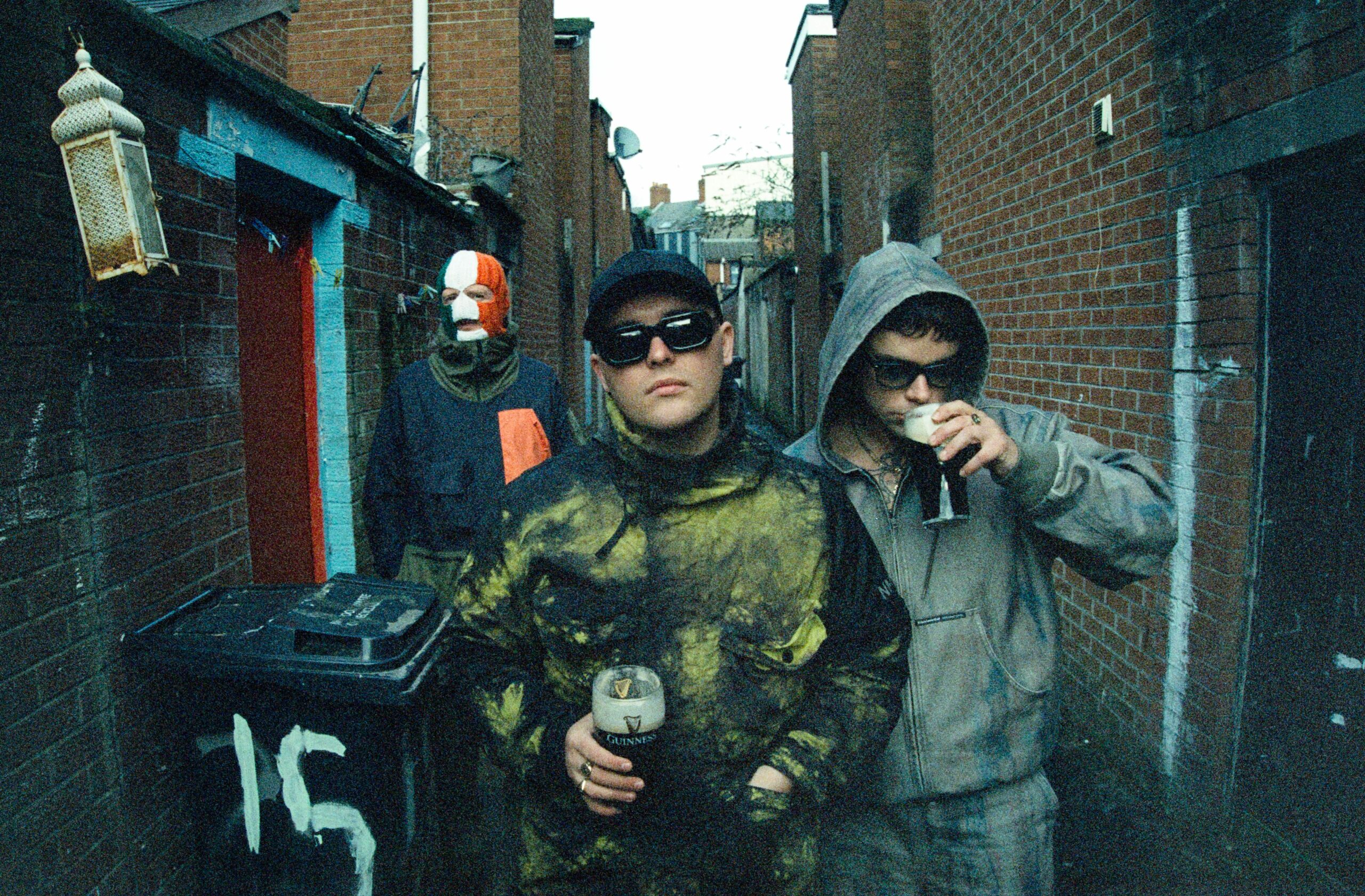
Ever wonder how a pint of dark Irish beer and a deep dive into centuries of history might just change your whole perspective on music and politics? Well, pull up a chair. I was chatting over Zoom with Móglaí Bap from Kneecap—yes, that Irish rap trio with the balaclava-wearing DJ and a reputation as fiery as their lyrics. From a Belfast pub, with the weather grumbling in the background and beers as black as their beats, Móglaí set me straight on what being a “Fenian” really means—way beyond the slurs and stereotypes. Their new album, aptly titled Fenian, isn’t just a collection of tracks; it’s a bold statement of reclaiming heritage and standing firm on their beliefs. Amidst canceled U.S. tours, visa denials, and global controversies, this Beastie Boys–esque group is proving that music can be loud, proud, and unyielding in the face of political storms. Ready to see how rap, resistance, and history collide at the crossroads of culture? Let’s dive in. LEARN MORE
 7 min read
Móglaí Bap takes a sip of his beer and then lays an Irish-history lesson on me. He’s calling over Zoom from a pub in Belfast alongside Mo Chara and the balaclava-wearing DJ Próvaí—the other two members of the Irish rap group Kneecap. The barkeep hands them all pitch-black brews as we banter about the weather and their music’s recent inclusion in Netflix’sHouse of Guinness. Before we get too far, I need them to sort out a few bits of Irish slang for this American. For starters: What’s a Fenian?
“Fenian was originally a term used for a band of warriors in Irish folklore, and then it was repurposed for revolutions before it was used as a derogatory slur,” Móglaí Bap says, skimming through hundreds of years of Irish history with a pint in hand. “It was used to shame us—to make us seem barbaric, like we were these forest people that go around with spears—but now we’re trying to put our own stamp on it, and this album is a part of reclaiming that heritage.”
He’s talking about Fenian, Kneecap’s third studio album, which is out April 24. It follows a tumultuous year for the Beastie Boys–esque trio. It all started during their performance at Coachella 2025, when the group used their time on stage to speak out in support of Palestine. They parted ways with their U.S. booking agencies afterward, and all three members of Kneecap lost their U.S. visa sponsorships. So despite selling out a huge show in New York City following the festival, the group was forced to cancel their planned North American tour. Then the same thing happened in Toronto.
Vince Gasparro, Canada’s parliamentary secretary for combatting crime, claimed in November that their music “amplified political violence.” But for Kneecap, wishing for a free Palestine didn’t feel like a far stretch. The rap group has long made hard-hitting music advocating for a reunified Irish state that is free from British rule. To them, the Palestinians are asking for the same thing from Israel. (Recently, New York City mayor Zohran Mamdani even made the same connection during his St. Patrick’s Day remarks at Gracie Mansion.) So Kneecap stuck to its guns.
But what was supposed to be a celebratory year for the group continued to snowball when video surfaced of Mo Chara holding a flag bearing Hezbollah’s green-and-yellow insignia. Mo Chara claims that he wasn’t aware of what the flag represented when a fan tossed it onto a stage during one of Kneecap’s November shows, and he’s reiterated multiple times that he does not support the Lebanese militant organization.
Still, UK prime minister Keir Starmer weighed in during the controversy, stating that the court needed “to come down really clearly on this” by punishing the rap group. Kneecap responded on social media that the outrage should be directed back toward the real conflict. Then a judge ended up throwing out the case entirely. That’s a lot of material to cover as they head into their next album. But on Fenian, Kneecap hasn’t returned just to take shots.
“The struggles that we’ve had since Coachella or the court case are marginal compared to the struggles happening in Palestine,” Móglaí Bap tells me now. “We hope that this album reflects that it’s not just about us. It’s called Fenian—and not Kneecap—because a Fenian is somebody who stands up, who resists, and who doesn’t give up on what they believe in.”
“It’s a badge of honor,” Mo Chara adds. “We’re proud to be savages.”

“We hope that this album reflects that it’s not just about us.”
Though the rambunctious trio have been active in Ireland since 2017, they broke through to U.S. audiences after releasing a self-tiled comedy film in 2024 that featured actor Michael Fassbender and all three members of Kneecap in a fictional retelling of the rap group’s origin story. The fun and riotous film focused on their commitment to preserving their nation’s language, as half of all their lyrics remain in Irish. Kneecap won the NEXT Audience Award following its premiere at Sundance Film Festival, which proved to the group that they had the potential to appeal to an international audience.
So on their first new album since the film, Kneecap worked with Black Midi and Wet Leg producer Dan Carey to craft a sophisticated but uncompromisingly gritty new sound. You can hear it on “Smugglers & Scholars,” their second single released ahead of Fenian’s official debut, as Móglaí Bap and Mo Chara rap over a deep synth lead and trap drums.
“Smugglers and scholars / Getting guns with American dollars,” they rap on the chorus. “Did it before, do it again, no bother / Don’t need your help with internal matters.” It’s a smart and witty flip on the UK government’s stance on sovereignty over Northern Ireland, which the country famously referred to as an “internal UK matter.”
“We’re proud,” Móglaí Bap says. “And if you’re interested in an artist, you want to see them try to push themselves. That’s something that we tried to do with this album. Hopefully, people enjoy it. But we had fun. That’s all that matters.”
Below, the group members discuss the inspiration behind their new album, their support for those fighting against colonization around the globe, and the reason why Turning Point’s move to recruit students in Northern Island comes to them as “no surprise.”

Móglaí Bap performing with Kneecap at Glastonbury 2025 after the group’s controversial Coachella set.
ESQUIRE: I was in the crowd at Sundance when your film premiered. Everyone was going nuts.
MÓGLAÍ BAP: We didn’t think anybody would really get it outside of Belfast. It was the first time we watched it with an audience. We’re sitting there, waiting, because we know when the jokes are coming up. We’re going, Shit, are people going to laugh or not?
MO CHARA: Americans will laugh at anything.
MÓGLAÍ BAP: We thought that the movie was insular, where it was just about the Irish language. But in hindsight it was actually a movie about Indigenous language and reclaiming your identity, which is a story around the world.
Have you noticed more people in Ireland speaking the language now?
DJ PRÓVAÍ: There’s Irish-language schools over here now. It’s been in Northern Ireland since the 1970s, but up around here it’s been brought back from the brink. It’s just adding on to all the work that people have done before us.
MO CHARA: We get a lot of credit for it. But that was just gradually how things were going now that the language had been rejuvenated. But yeah, we’ll take all the credit. No problem.
There’s some news out of Northern Ireland recently that concerned the U.S. Apparently, Turning Point USA is planning on touring universities in North Ireland to recruit students. Is there a big Christian-right movement in Ireland, or do you think students are just going to tell Turning Point to go back home?
MÓGLAÍ BAP: Christian nationalism and conservatism’s always been intertwined with Northern Ireland, so it’s no surprise that they’re trying to tap into that. Because of the Troubles, because of the trauma that people have gone through here, that’s what they’re trying to use to their advantage.
MO CHARA: Yeah, America is based on a lot of anti-Catholic sentiments. So I’m not surprised that they’re trying to find recruitment here. But we also have a lot of people that are from different persuasions, so I’d love to see some protests.
MÓGLAÍ BAP: I couldn’t imagine that young people will be swayed by whatever Turning Point is talking about when they’re here, because there’s no ideology. They just thrive off people’s fear.

“We’ve had nearly 900 years of colonialism in Ireland. So that’s no wonder why we support oppressed people around the world.”
What do you make of how everyone is always asking you why you support Palestine?
MO CHARA: We always have people asking why there’s such solidarity between Ireland and Palestine, but, I mean, we’ve had nearly 900 years of colonialism in Ireland. So that’s no wonder why we support oppressed people around the world.
MÓGLAÍ BAP: Palestine is, in a sense, the new era of colonialism that we’re seeing in front of our eyes. We’ve seen the same methods that were used here to force starvation and manipulate the population so that they can’t survive anymore. These are all methods that were used for hundreds and hundreds of years.
DJ PRÓVAÍ: And genocide is a lot more direct. Rafah is just completely wiped out. This is a city that’s existed for thousands of years, and it’s not there anymore.
MÓGLAÍ BAP: We’ve never shied away from politics, but with this album there’s a lot more weight to it. It happened in Kenya, it happened in India, and we all have the same story. We’ve just all been led to believe that we don’t.
Are there other rap groups sprouting around the world that claim you’ve inspired them to speak out against their government in their music?
MO CHARA: None that have organized enough, but we would definitely love to see a lot more of it. We were first inspired by the Rubber Bandits, a group from Limerick who were really the first in Ireland to make hip-hop music that wasn’t all based on American culture. It was very Irish, and it was self-deprecating. They talked about how having a horse is superior to having a car because you don’t have to pay the road tax. Funny shit. They were authentically themselves. We took inspiration from them, like, Okay, we don’t have to emulate L.A. or New York. We can take the piss out of ourselves, and we can tell stories rather than just rapping about fucking class.
DJ PRÓVAÍ: We have a genre of music called rebel music in Ireland as well, and it’s kind of about the martyrs of times gone past that have done great deeds for Ireland. So it’s like folk music with a revolutionary twist.
How have you evolved as a group on the new record?
MÓGLAÍ BAP: When we first started, we didn’t think that anybody would listen to music in the Irish language. It’s not that we didn’t take it seriously, but we didn’t think that there was any point because no one other than us would care. After a while we saw that not only was there an audience in Ireland but an international audience. So this album is the progression of us taking ourselves a bit more seriously. Not too serious. Because if you take yourself too serious in Ireland, it’s just…
MO CHARA: It’s headphones off.
MÓGLAÍ BAP: Yeah, it’s slap your head off you. But we partnered with [producer] Dan Carey because we wanted a big sound. We wanted to make an impact, and we wanted to make sure that people heard us.

IQBAR Clean Plant Protein Bars - Chocolate Lovers Variety - 12 Count - Keto, Vegan, High Fiber, Gluten and Dairy Free, Low Sugar Snack - Brain and Body Nutrients for Focus, Energy, Meal Replacement
$24.99 (as of March 24, 2026 02:13 GMT +00:00 - More infoProduct prices and availability are accurate as of the date/time indicated and are subject to change. Any price and availability information displayed on [relevant Amazon Site(s), as applicable] at the time of purchase will apply to the purchase of this product.)
YUEZHOUYB 5 Pack Pet Food Can Covers Universal Can Lids Safe/Silicone Dog&Cat Food Can Lid Covers
$5.49 (as of March 24, 2026 02:12 GMT +00:00 - More infoProduct prices and availability are accurate as of the date/time indicated and are subject to change. Any price and availability information displayed on [relevant Amazon Site(s), as applicable] at the time of purchase will apply to the purchase of this product.)
PAAS Color Whip Easter Egg Decorating Kit - America's Favorite Easter Tradition
$2.99 (as of March 24, 2026 02:12 GMT +00:00 - More infoProduct prices and availability are accurate as of the date/time indicated and are subject to change. Any price and availability information displayed on [relevant Amazon Site(s), as applicable] at the time of purchase will apply to the purchase of this product.)
sylacor 3 Pack Ring Cover Compatible with Oura Ring Gen 4/Gen 3 Horizon/Heritage, Upgraded Anti-Scratch TPU Protector for Men Women, NOT for Oura Ring 4 Ceramic
$8.99 (as of March 24, 2026 02:13 GMT +00:00 - More infoProduct prices and availability are accurate as of the date/time indicated and are subject to change. Any price and availability information displayed on [relevant Amazon Site(s), as applicable] at the time of purchase will apply to the purchase of this product.)












Post Comment