Over 50 and Seeing Red? The Shocking Truth Behind Your Eye Pain—and the Quick Fix Docs Don’t Tell You!
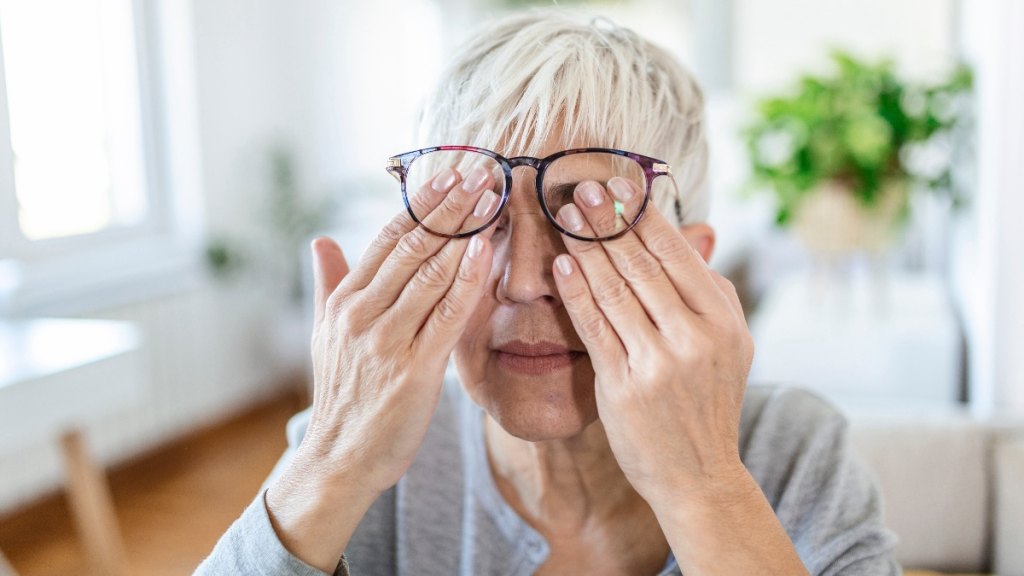
Ever squinted through a dull ache in your eye, wondering if it’s just fatigue—or if your eyeball’s secretly staging a revolt? Eye pain isn’t just a one-size-fits-all nuisance; it wears many disguises, from burning sensations to that downright stubborn dryness no eye drop seems to fix. What if I told you that what’s behind that nagging discomfort might surprise you—and that the secret to relief could be simpler than you think? As someone who’s spent countless hours dissecting the science behind the body’s puzzles, I’m here to share insights straight from top eye doctors that cut through the haze. Trust me, understanding your eyes better isn’t just smart, it’s essential—especially when the pain refuses to back off. Ready to peek behind the curtain of eye pain causes and discover the treatments that actually work? Let’s dive in.

Whether you’re been experiencing a dull ache, chronic dryness or eye pain that just won’t go away with standard over-the-counter remedies, we have you covered. Keep reading for a few surprising causes behind eye pain and the simple treatments top eye doctors recommend.
A little background on eye pain
It’s important to recognize that many people experience eye pain, but they describe it in very different ways, says ophthalmologist Anat Galor, MD, an expert on ocular surface pain and dry eye. “Some use terms like dryness, burning, aching or tenderness. Others say it feels like fatigue rather than pain. The discomfort can be located on the front of the eye, under the eyelids or even behind the eye. It may be constant or intermittent, and it can be worsened by triggers such as wind or light.”
So whether you’re experiencing throbbing pain, sensitivity to light or pain when moving your eye, it’s clear that eye pain is highly individual. “The key is knowing that there are many possible contributors and identifying the right one for each patient,” says Dr. Galor. “By carefully listening to how symptoms are described—their quality, timing and exacerbating factors—doctors can begin forming a diagnosis and determine the most appropriate next steps.”
3 questions that help doctors diagnose eye pain
The good news? Your doctor has specific ways to identify what’s causing your discomfort, and you can help by sharing a few key details. Here’s what matters most:
Where and how did your discomfort begin?
“In my office, it’s really helpful to identify how the pain started and what seems to make it better,” adds ophthalmologist Edward Wladis, MD. “Patients can often pinpoint exactly what seemed to bring on the pain, and that provides real insights as to the root cause.”
What makes your eyes feel better?
“We can often find the issue based on what relieves it,” says Dr. Wladis. “For instance, if artificial tears help, the problem is often on the surface of the eye—the cornea or conjunctiva—but deeper pain won’t be alleviated with those types of conservative measures.”
How quickly did the pain develop?
“I think that patients should also consider how rapidly the pain developed,” Dr. Wladis advises. “Problems like angle closure glaucoma, for example, are extremely painful and develop in a matter of minutes.”
“Infections, on the other hand, can develop over a day or so,” he continues. “However, the most likely diagnosis would be much different if a patient has had the discomfort for several months.”
2 reasons women over 50 experience eye pain
As our estrogen levels drop in perimenopause and menopause, women are more susceptible to certain conditions that may trigger eye pain. Here, Dr. Galor explores two common causes:
Ocular surface disease
One common cause of eye discomfort is ocular surface disease, often grouped under the term “dry eye,” she says. “However, this doesn’t literally mean the eye is dry—it refers broadly to problems affecting the ocular surface. This could involve decreased tear production, unstable tears or issues with tear composition.”
Tears are complex, she adds, made up of water, mucin and oil. The oil is produced by glands in the eyelids, and dysfunction of these glands—called meibomian gland dysfunction—can significantly contribute to symptoms.
As we age, gland function declines, and this is especially relevant for women. “Hormonal changes during perimenopause and menopause are strongly associated with the onset of symptoms,” Dr. Galor says. “Whether hormones themselves or other midlife factors are the primary driver, this is typically when women begin noticing eye discomfort for the first time.”
The first line treatment focuses on visible symptoms. “If there is oil gland dysfunction, we address it. If rosacea is contributing, we treat it. If inflammation is present, we target it.”
Autoimmune diseases
Autoimmune diseases, like lupus or Sjögren’s syndrome, are another important contributor to eye pain, and women are disproportionately affected.
“We think of the eyes as an indicator of the soul—anything that’s happening in your body, we can see in your eyes,” observes D. Galor. “In these cases, we treat the inflammation locally, then work with rheumatologists if anything else needs to be done to manage the underlying condition.”
When nerves may be causing eye pain
More recently, there has been growing recognition that factors beyond the ocular surface can drive eye pain—particularly nerve dysfunction, reveals Dr. Galor. “Again, women, especially around perimenopause, appear more predisposed, because the nerves just aren’t 100 percent as we get older. There are many reasons why nerves may become abnormal, and this may involve nerves at the level of the eye, central pain processing in the brain or the autonomic nervous system.”
“We know that people with conditions such as fibromyalgia or a history of migraines—even if they had them as kids and outgrew them—may be more likely to develop eye pain,” she says. It’s thought that the same mechanisms that drive the fibromyalgia or migraine pain are driving the eye pain.
Doctors look for certain patterns—for example, burning pain worsened by wind or light, or deep aching behind the eye. This suggests a nerve abnormality.
How to treat nerve-induced eye pain? “This remains an active area of research, and there is still much to learn,” Dr. Galor acknowledges. “What is clear is that focusing only on visible surface findings is often not enough. Treating the ocular surface is an important starting point, but for some patients, a broader approach that considers the nerves is essential.”
The bottom line on nerve pain: “If you’re on this journey and feeling frustrated—doing everything to treat what’s visible on the eye and still not getting better—it’s important to consider that the pain might be nerve-related,” says Dr. Galor. This is especially true for people with fibromyalgia or migraine. In those cases, the pain needs to be approached a little differently.”
How to treat eye pain at home
“There are things you can try on your own before immediately seeking medical care, especially given how challenging the healthcare system can be,” Dr. Golor says. “A good first step is building a basic eye care routine. That means practicing good eyelid hygiene and using over-the-counter lubricating drops.” That’s especially true if you’ve been diagnosed with dry eye syndrome.
For example, if you wear eye makeup and don’t thoroughly remove it at the end of the day, it can clog the oil glands in your eyelids and worsen symptoms. Simply cleaning your eyelids consistently can make a meaningful difference. “We often recommend starting with these foundational steps no matter what the underlying issue turns out to be,” she says.
It’s also worth looking at environmental factors. “Is the air in your home very dry? Do you sleep with a fan blowing toward your face? Could your eyes be partially open at night? These kinds of triggers can worsen symptoms, and they’re things you can experiment with and modify yourself,” urges Dr. Galor.
When to see a doctor
If you’ve tried these first-level strategies and you’re still struggling, see an eye care professional. They can evaluate the surface of the eye, identify what they see—such as inflammation or gland dysfunction—and target treatment accordingly.
And of course see a doctor immediately if you’re experiencing any of the following symptoms, adds Dr. Wladis:
- Loss of vision or double vision
- Severe pain
- Additional symptoms (fevers, chills, nausea, headache, vomiting, etc.)
- If the pain is associated with a history of trauma or eye injury
“But for mild irritation, it’s perfectly reasonable to rinse the eyes with artificial tears,” he says. “Or, if a stye is present, for example, warm compresses may help. However, if the condition doesn’t improve, it’s important to seek medical care.”
The bottom line on eye pain
When it comes to treating eye pain, Dr. Galor advises a step ladder approach: Step one is starting with what you can do at home—lid hygiene, lubricating drops and environmental adjustments. Step two is getting a comprehensive eye exam and treating whatever is identified. Step three, if symptoms persist despite treatment, is to consider that nerve-related pain may be contributing and to seek appropriate care. Above all, she emphasizes one key message: Don’t despair. “There are treatments that can help.”
Ready for more inspiration? Subscribe to our YouTube channel for video podcasts, health tips and uplifting stories designed for women 40, 50, 60 and beyond

Blue Buffalo Health Bars Crunchy Dog Biscuits, Oven-Baked with Natural Ingredients, Pumpkin & Cinnamon, 16-oz Bag
$4.98 (as of March 30, 2026 02:16 GMT +00:00 - More infoProduct prices and availability are accurate as of the date/time indicated and are subject to change. Any price and availability information displayed on [relevant Amazon Site(s), as applicable] at the time of purchase will apply to the purchase of this product.)
Samsung Galaxy Tab A11+ 6GB RAM, 128GB Storage, Optimized Performance, Long Lasting Battery, Expandable Storage, Large Display, Dolby Atmos Speakers, AI Assist, Slim, Light, 2 Year Warranty, Gray
$202.00 (as of March 30, 2026 02:16 GMT +00:00 - More infoProduct prices and availability are accurate as of the date/time indicated and are subject to change. Any price and availability information displayed on [relevant Amazon Site(s), as applicable] at the time of purchase will apply to the purchase of this product.)
Apple iPad 11-inch: A16 chip, 11-inch Model, Liquid Retina Display, 128GB, Wi-Fi 6, 12MP Front/12MP Back Camera, Touch ID, All-Day Battery Life — Blue
$299.00 (as of March 30, 2026 02:16 GMT +00:00 - More infoProduct prices and availability are accurate as of the date/time indicated and are subject to change. Any price and availability information displayed on [relevant Amazon Site(s), as applicable] at the time of purchase will apply to the purchase of this product.)
Vivirata Automatic Litter Box, Self Cleaning Litter Box with App Control, Large Capacity for Multiple Cats, Noise & Odor Control, Dual Safety Sensors, Easy Maintenance with 2 Roll Garbage Bags, Gray
$189.99 (as of March 30, 2026 02:16 GMT +00:00 - More infoProduct prices and availability are accurate as of the date/time indicated and are subject to change. Any price and availability information displayed on [relevant Amazon Site(s), as applicable] at the time of purchase will apply to the purchase of this product.)












Post Comment