The Dark Twist: Why Horror TV’s Latest Evolution Is Shaking Up Screens—and What It Means for Your Viewing Habits
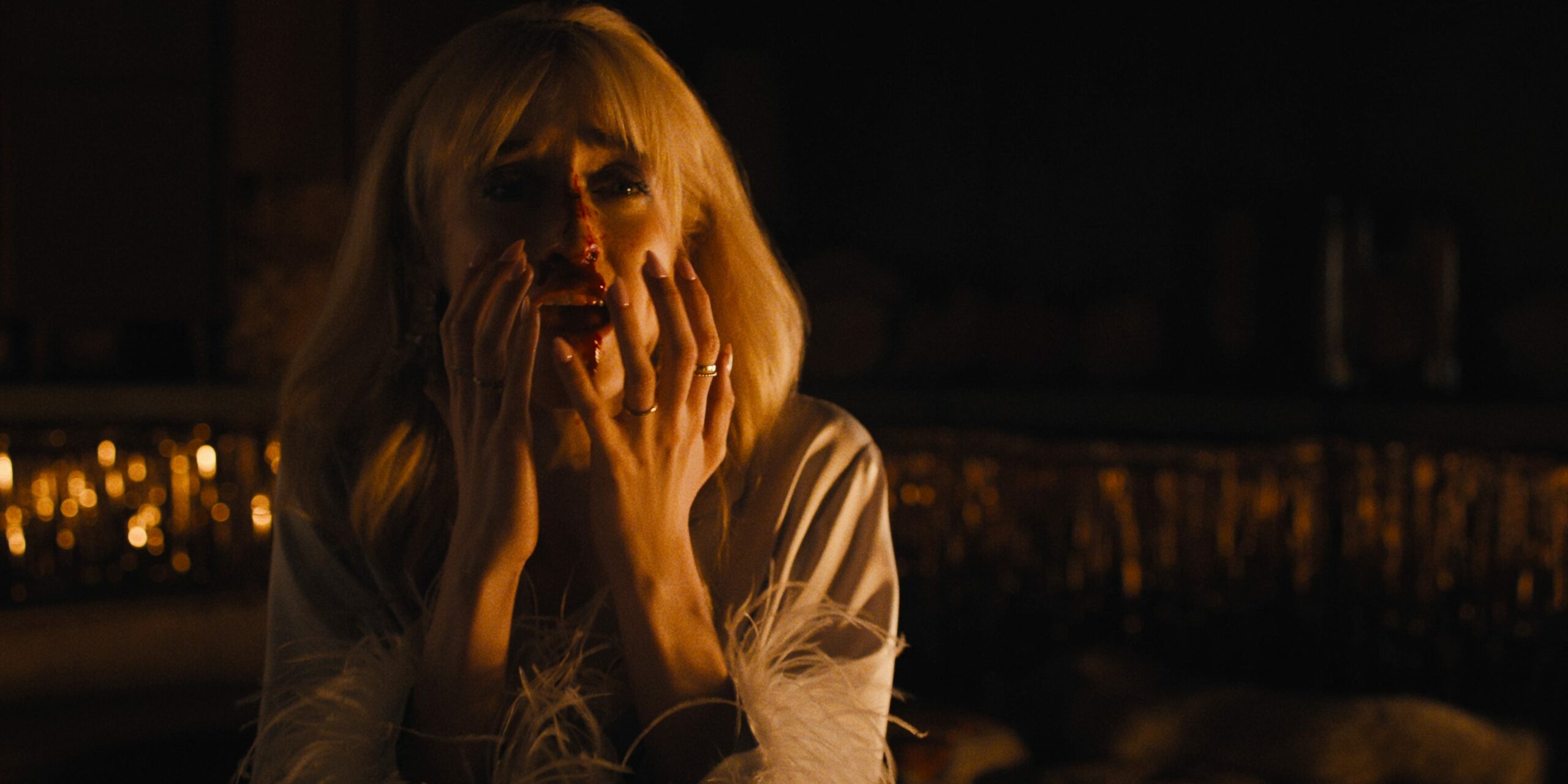
Remember when surviving a horror movie was as simple as following three golden rules from Scream—don’t have sex, don’t touch the booze or drugs, and whatever you do, never say “I’ll be right back”? Fast forward twenty years, and it feels like horror flicks have weaponized complexity, turning us into guinea pigs for mind-bending curses, soulmates with deadlines, and time-twisting clowns who apparently laugh in the face of linear storytelling. Seriously, can someone explain these plot twists without drafting a PhD thesis? It’s like we’ve traded jump scares for a tangled narrative web that leaves us more confused than terrified. Yet, amidst the Netflix labyrinths and HBO’s nonlinear nightmares, one burning question remains: do modern horror fans crave spine-chilling simplicity or cerebral chaos? Spoiler alert—I’m leaning toward the former. LEARN MORE
 3 min read
Looking to survive a horror movie? In 1996, Scream outlined three simple rules to follow: “Never have sex, never drink or do drugs, and never, under any circumstances, say, ‘I’ll be right back.'” Why? “Because you won’t be back.”
That was twenty years ago. Horror flick victims might not have been able to successfully kill famous ’90s monsters like Ghostface, Michael Myers, or even Freddy Krueger. But at the very least, viewers understood the rules. (Even that wacky Hellraiser puzzle box!) Nowadays, across Netflix thrillers and A24 art house horror films, the plots have become so complicated that the mere act of watching them has become something of a Saw trap for our minds.
Don’t believe me? Here’s my best explanation of the curse at the center of the latest Netflix horror series, Something Very Bad Is Going to Happen: The main character will die if she doesn’t marry her soulmate by sundown on her wedding day. How does she know if the person that she’s about to marry is her soulmate? Well, that’s pretty much the entire metaphor. But here’s the other part: The curse carries on to the next generation. So, if she chooses to leave her significant other at the altar, the curse transfers to his family’s bloodline instead. If you can find a loophole, please let me know. Because—spoiler alert—no one does.

Uh-oh, one of the Stranger Things kids is drawing another diagram.
Something Very Bad Is Going to Happen is executive-produced by the Duffer Brothers—the creative duo behind Stranger Things. The siblings are no stranger to complicated plots. The fifth and final season of their own hit Netflix series featured multiple scenes wherein characters explained exactly what was about to happen using nearby household objects—making claims that Netflix asks creators to restate plot points for audiences scrolling on their phones that much more believable.
But the Duffers aren’t alone in this. While other horror shows might not have the same attention span problems as Netflix, they’ve certainly still caught a case of overcomplicated-itis.
Take for example: HBO Max’s IT: Welcome to Derry. The streamer’s foray into Stephen King’s horror classic was beloved by many fans because it was actually scary television. But in the season 1 finale in December, showrunners Jason Fuchs and Brad Caleb Kane introduced several new elements to Pennywise’s origin story. According to Welcome to Derry, the killer clown experiences the past, the present, and the future simultaneously. “Tomorrow, yesterday, it’s all the same for little Pennywise!” Bill Skarsgård’s killer clown tells the horrified children. Apparently, an immortal, shapeshifting alien clown that feeds on fear wasn’t complicated enough.
If you’re looking for answers there, no one from IT: Welcome to Derry has really provided any clarity about this new nonlinear time twist. As Andy Muschietti told Deadline in December, “How is that [possible] and why, that’s a whole exploration that we intend to flesh out during the next two seasons.”

How does Pennywise exist outside of time?
Well, that season 2 renewal hasn’t come around yet. But you know what other horror series is inexplicably returning for a fourth season this month? MGM+’s From. The story, which is constantly compared to Lost in both tone and function, follows the residents of a creepy town that traps people inside once they enter it. Horrible monsters also patrol the perimeter at night, seeking to rout out those who wish to escape. So, as the characters attempt to figure out the mystery, From turns into another one of those shows that answers one question by creating a dozen more.
Don’t get me wrong: These kinds of plots are still fun to watch. There’s a reason why Paradise’s twists keep audiences coming back every week, or why Yellowjackets captured viewers with its mysterious symbols and supernatural nightmares. If the plot simply made sense from the beginning, then there’s no reason to watch anymore. But that doesn’t mean every horror series needs to confound me into oblivion.
All TV creators have to do is look to their big-screen counterparts, who are racking up critical and commercial acclaim—as well as award nominations. Recent indie horror films like Barbarian played on the simple idea of a monster hiding in the basement of your Airbnb. Weapons, by the same director, turned out to be about a witch. Nope’s reveal was as classic as the crop-circle aliens in Signs, and Ari Aster’s Hereditary let all the horrifying lore just fester in the background to craft the perfect sense of dread throughout the entire film.
Viewers don’t need that much plot. Just give us a good scare.
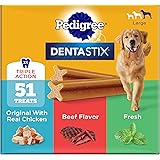
Pedigree Dentastix Large Dog Treats, Original, Beef & Fresh, 2.73 lb. Variety Pack (51 Treats Total)
$23.98 (as of March 28, 2026 02:15 GMT +00:00 - More infoProduct prices and availability are accurate as of the date/time indicated and are subject to change. Any price and availability information displayed on [relevant Amazon Site(s), as applicable] at the time of purchase will apply to the purchase of this product.)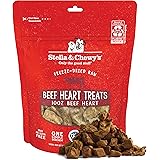
Stella & Chewy's Freeze-Dried Raw Beef Heart Dog Treats - Single Ingredient, No Additives - Premium Training Treats - Perfect For Picky Eaters - 3oz Bag
$8.99 (as of March 28, 2026 02:15 GMT +00:00 - More infoProduct prices and availability are accurate as of the date/time indicated and are subject to change. Any price and availability information displayed on [relevant Amazon Site(s), as applicable] at the time of purchase will apply to the purchase of this product.)
Best Pet Supplies Voyager Step-in Air Harness - All Weather Mesh, Reflective, No Pull Harness for Dogs, Cats - Secure with Hook & Loop Fastener, Buckle, Double D-Rings - Fuchsia, S
$12.99 (as of March 28, 2026 02:18 GMT +00:00 - More infoProduct prices and availability are accurate as of the date/time indicated and are subject to change. Any price and availability information displayed on [relevant Amazon Site(s), as applicable] at the time of purchase will apply to the purchase of this product.)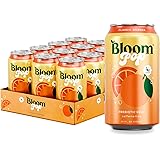
Bloom Pop Prebiotic Soda 12 Pack, Classic Orange Flavor, 12oz Cans | Prebiotic Soda for Gut Health, Low Calorie Soda, No Caffeine, Healthy Soft Drink Alternative
$16.63 (as of March 28, 2026 02:15 GMT +00:00 - More infoProduct prices and availability are accurate as of the date/time indicated and are subject to change. Any price and availability information displayed on [relevant Amazon Site(s), as applicable] at the time of purchase will apply to the purchase of this product.)











Post Comment