The Fiber Supplement Secret: What Your Gut Isn’t Telling You and How to Choose the Right One Now
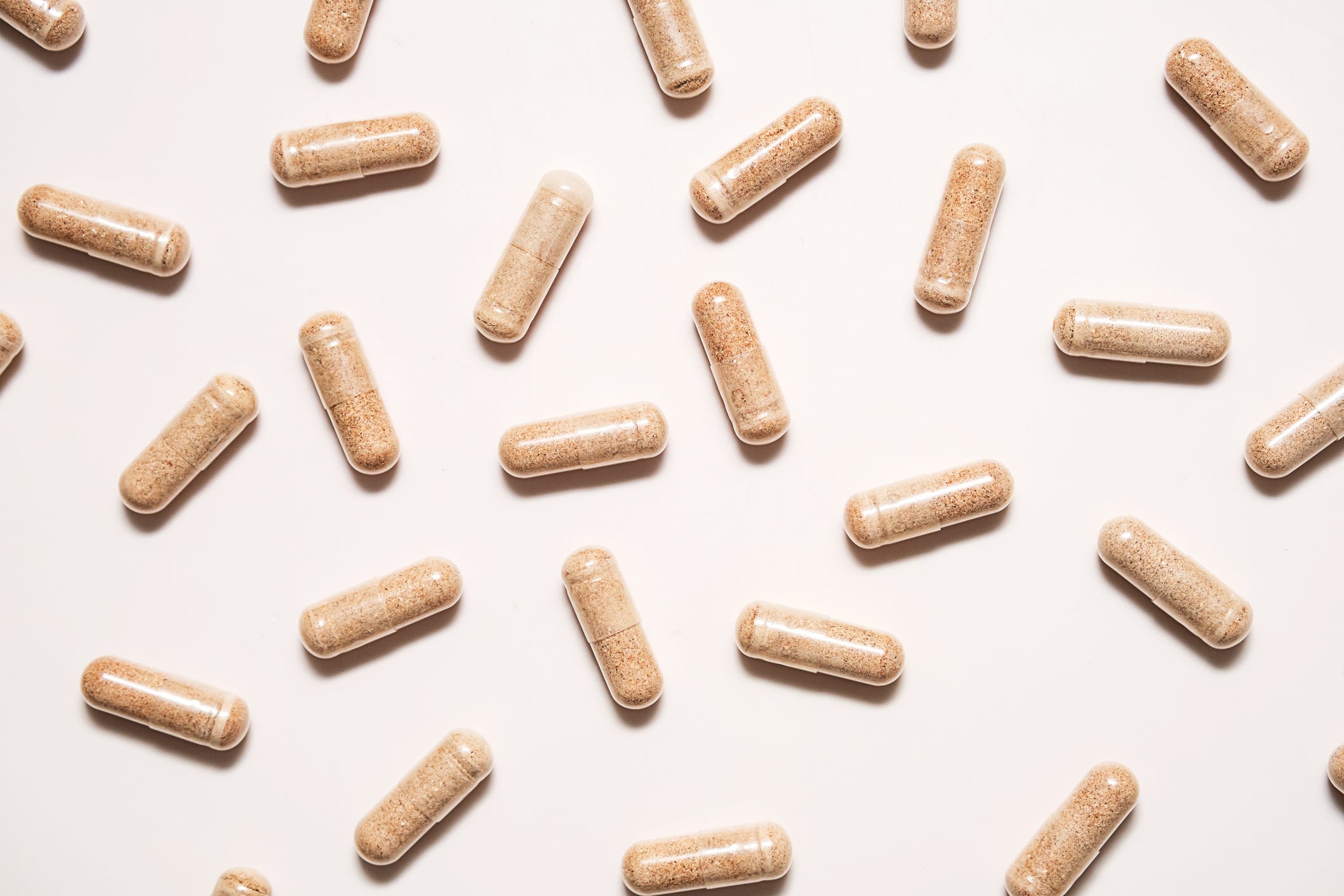
Ever found yourself racing down the pharmacy aisle with just 90 seconds to pick a fiber supplement—only to be blinded by a chaotic wall of options? Yeah, I’ve been there. It’s like you need a PhD in fiber science just to make sense of it all. Here’s the kicker: the way dietitians chat about fiber—soluble versus insoluble—isn’t how these supplements are actually labeled. Instead, you’re handed a laundry list of ingredients that might as well be in another language.
But don’t sweat it. Understanding whether a fiber supplement ferments in your gut or acts as a bulk-former can make all the difference. And while some warnings say you shouldn’t use fiber supplements for longer than two weeks, it’s usually your body telling you to look a bit deeper, not a sign of doom. Because fiber is supposed to supplement a balanced diet filled with fruits, veggies, protein, and complex carbs—not replace it.
So, before you throw your hands up in surrender at the pharmacy shelf, let’s break down the no-nonsense scoop on fiber supplements that’ll get your gut grooving without the guesswork.
 4 min read
So you’ve been chronically under-fruit-and-vegetable-ing and you want to pick up a fiber supplement before the pharmacy closes for the evening. You’ve got 90 seconds, tops. You head down the aisle and bam! A wall of endless options stares back at you. Suddenly, it feels like you need a PhD just to make a choice.
Part of the problem is that how dietitians like to talk about fiber—saying that some is soluble, some is insoluble—isn’t the way fiber supplements are sold. “Supplement labels usually list the active ingredients rather than the fiber type, so understanding the ingredient can tell you whether it’s primarily soluble, insoluble, or a combination of both,” says Robert Bleicher, MD, a gastroenterologist at North Jersey Gastroenterology.
The Main Types of Fiber Supplements
Fiber supplements generally work through two mechanisms: fermentation and bulk-forming. Your biology might work better with one or the other.
• Fermentable fibers are broken down by beneficial bacteria in the large intestines to produce acids that support colon health and help regulate bowel movements, Dr. Bleicher says.
• Bulk-forming fibers, on the other hand, absorb water and swell to increase stool volume and softness, he says. This added bulk stimulates intestinal contractions, helping move stool through the digestive tract more easily.
Some labels spell out warnings against using these supplements for longer than two weeks, but that doesn’t mean they’re dangerous. It’s because persistent constipation or diarrhea can signal something that needs medical evaluation, explains MH advisor Dezi Abeyta, RD. “It’s not that fiber itself is inherently dangerous; it’s that long-term symptoms shouldn’t be self-treated indefinitely without checking the bigger picture,” he says.
After all, fiber supplements are meant to supplement an already balanced diet, where protein, complex carbs, fruits, and veggies make up most of your day, says Hardeep Singh, MD, a gastroenterologist with Providence St. Joseph Hospital. But when travel throws you off, vegetable-scarce dinners out stack up, or your gut just needs a little extra support, a fiber supplement can help keep things moving in the right direction.
Other Fiber Words Dietitians Like to Use
So what does soluble and insoluble fiber have to do with it? Experts like to point out that these are the two basic forms of fiber, and that both are essential for a happy, healthy gut. But you won’t often see these words on supplement labels.
• Soluble fiber, found in oats, fruit, and beans, dissolves in water and supports heart health while keeping bowel movements regular and comfortable, says Bleicher.
• Insoluble fiber, found in wheat bran and whole grains, doesn’t dissolve in water but helps keep the digestive system moving smoothly, he adds.
Ready to get your gut in gear? Here’s a no-fuss cheat sheet to help you pick the perfect fiber supplement—fast, according to Dr. Bleicher, Dr. Singh, and Abeyta.
Quick disclaimer: Start with a low dose of any fiber supplement and gradually increase as needed to minimize bloating and gas.
What’s What With: Fermentable Fiber Supplements
Wheat dextrin (soluble; found in Benefiber)
What it is: Wheat dextrin is a water-soluble, fermentable fiber made from wheat starch. It easily dissolves in liquids or soft food — such as coffee, juice, smoothies, or yogurt — without changing its texture, and helps add bulk to stool to support regular bowel movements.
What to know: Wheat dextrin nourishes beneficial bacteria in the large intestines, which aids digestion and overall gut health. The fermentation process can cause gas or bloating, especially when first starting out. Avoid wheat dextrin if you have a wheat allergy.
Best for: People looking for a tasteless, easy-to-mix fiber supplement.
Inulin (soluble; found in chicory root fiber)
What it is: Inulin is a soluble fiber naturally found in chicory root. It’s fermented by beneficial bacteria in the colon, helping to improve digestion and maintain a healthy gut microbiome.
What to know: By feeding beneficial gut bacteria, inulin can promote bowel regularity, improve mild constipation, and contribute to overall gut health. Because inulin is highly fermentable, it can cause gas, bloating, or mild cramping, especially when first starting out.
Best for: Nourishing a healthy gut microbiome, supporting bowel regularity, and those looking to add prebiotic fiber to their routine.
What’s What With: Bulk-Forming Fiber Supplements
Psyllium (soluble; found in Metamucil)
What it is: Psyllium is a plant-derived soluble fiber made from the outer husk of seeds. When mixed with water, it absorbs liquid to form a gel-like substance that helps soften stool and make bowel movements easier and more regular.
What to know: The gel-forming fiber supports healthy digestion by improving stool consistency. It can also help lower cholesterol and slow the absorption of sugar after meals, which may support heart health and steady blood sugar levels. Psyllium is generally safe for daily use when taken consistently and as directed, but be sure to take it with plenty of water so it can form the gel-like substance that softens stool.
Best for: Improving constipation, relieving mild diarrhea, and cholesterol support.
Methylcellulose (soluble; found in Citrucel)
What it is: Methylcellulose is a synthetic, non-fermentable soluble fiber that absorbs water in the intestines, forming soft, bulky stools to help relieve occasional constipation and support regular bowel movements.
What to know: Because it’s non-fermentable, methylcellulose is less likely to cause gas or bloating compared to other fiber supplements.
Best for: Those sensitive to gas or bloating from fermentable fibers.
Calcium polycarbophil (insoluble; found in FiberCon)
What it is: Calcium polycarbophil is a synthetic, bulk-forming insoluble fiber that absorbs water in the intestines to create softer, bulkier stools and relieve mild constipation.
What to know: By drawing water into the stool, calcium polycarbophil promotes regular and comfortable bowel movements. Unlike fermentable fibers, it’s not significantly broken down by gut bacteria, so it typically causes less gas and bloating.
Best for: Those sensitive to gas or bloating from fermentable fibers.
Andi Breitowich is a freelance writer who covers health, fitness, relationships, beauty, and smart living. She is a graduate of Emory University and Northwestern University’s Medill School of Journalism. Her work has appeared in Women’s Health, POPSUGAR, Food & Wine, What To Expect, Cosmopolitan, Men’s Health, and elsewhere. As a former collegiate pole vaulter, she loves all things fitness and has yet to meet a group workout class she doesn’t like.
Blueberries, 1 Pint
(as of April 12, 2026 02:24 GMT +00:00 - More infoProduct prices and availability are accurate as of the date/time indicated and are subject to change. Any price and availability information displayed on [relevant Amazon Site(s), as applicable] at the time of purchase will apply to the purchase of this product.)
Polar Seltzer Water Citrus Variety Pack, 12 fl oz cans, 18 pack
$9.43 (as of April 12, 2026 02:23 GMT +00:00 - More infoProduct prices and availability are accurate as of the date/time indicated and are subject to change. Any price and availability information displayed on [relevant Amazon Site(s), as applicable] at the time of purchase will apply to the purchase of this product.)
Purina Friskies Gravy Wet Cat Food Variety Pack, Savory Shreds With Beef, Turkey and Cheese Dinner, Chicken and Salmon Dinner, With Ocean Whitefish and Tuna - (Pack of 32) 5.5 oz. Cans
$26.47 (as of April 12, 2026 02:22 GMT +00:00 - More infoProduct prices and availability are accurate as of the date/time indicated and are subject to change. Any price and availability information displayed on [relevant Amazon Site(s), as applicable] at the time of purchase will apply to the purchase of this product.)
Viper Biothane K9 Working Dog Leash Waterproof Lead for Tracking Training Schutzhund Odor-Proof Long Line with Solid Brass Snap for Puppy Medium and Large Dogs 6ft, Black
$24.99 (as of April 12, 2026 02:31 GMT +00:00 - More infoProduct prices and availability are accurate as of the date/time indicated and are subject to change. Any price and availability information displayed on [relevant Amazon Site(s), as applicable] at the time of purchase will apply to the purchase of this product.)














Post Comment