The Iran War’s Hidden Dominoes: Shocking Ripple Effects No Investor Saw Coming
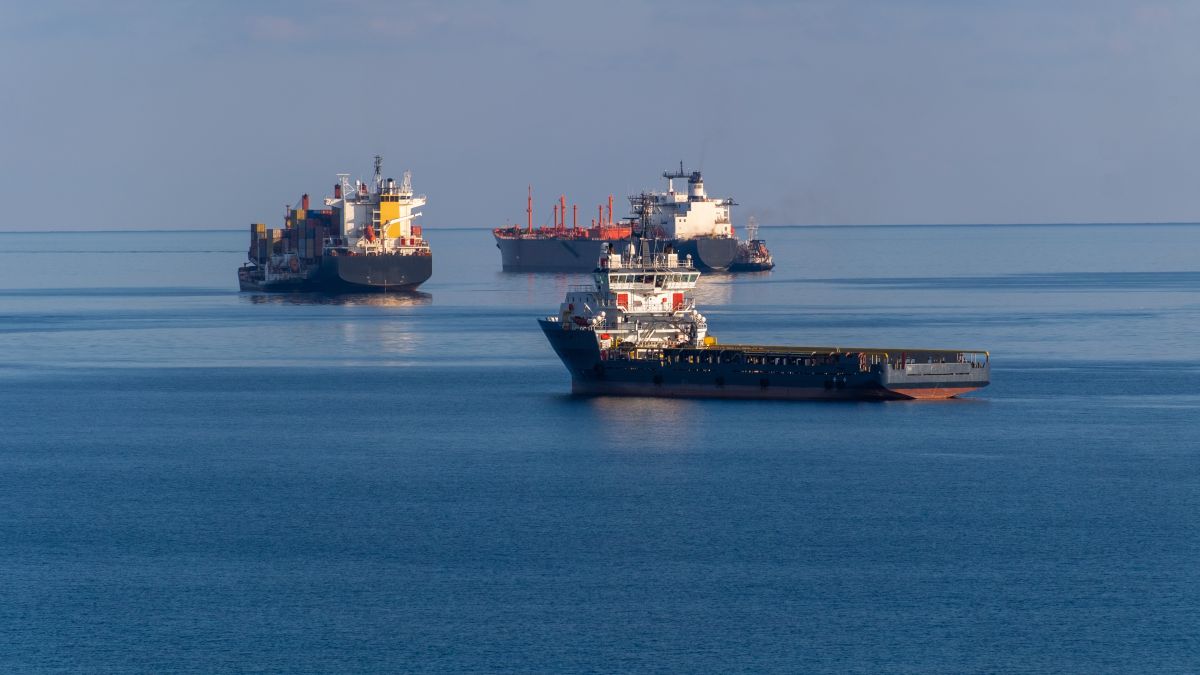
Remember the days when a CEO could kick back without scanning every headline about global turmoil before breakfast? Yeah, me neither—but there was a time when news from halfway across the world didn’t slam the brakes on your quarterly projections. Fast forward to today, and with Russia’s Ukraine incursion still echoing through markets, and now fresh conflict stirring in Iran, corporate boardrooms aren’t just war-gaming for fun anymore—they’re survival strategizing on a new level. It’s a bit like watching cargo ships twist through the Strait of Hormuz: massive, precarious, and essential. Yet, amid this swirling uncertainty, many executives aren’t just scrambling; they’re adapting, pivoting, and even thriving—proof that when the world’s on edge, opportunity still sails on. So, what unexpected ripples are these geopolitical storms sending through your industry, and how far can the “war room” mindset really take us? Let’s dig into three surprising ways the conflict with Iran is reshaping business realities. LEARN MORE
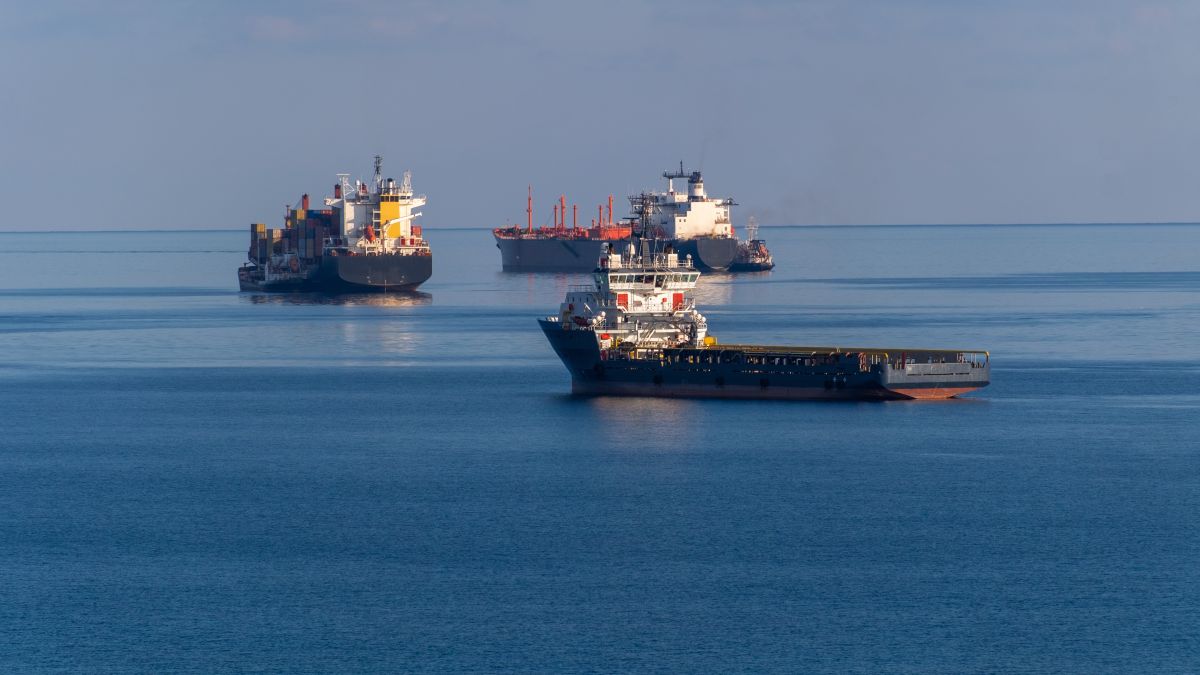
Corporate leaders may recall a time before Russia’s attack on Ukraine, when they didn’t have to worry so much about news from overseas––a time when global political and economic instability did not so persistently affect their businesses. Beginning with the ‘Liberation Day’ tariffs introduced by the Trump administration last spring (though it feels much longer ago), trade disruption and armed conflict have been a permanent feature of the global business landscape. Now, conflict with Iran has added to that uncertainty.
Some executives may feel like they’re in the “This is fine” meme.
Many corporate leaders, however, are responding more productively to the heightened geopolitical risk. One way they have been doing so is undertaking robust “scenario planning,” a practice that has its roots in the military and was adopted by Shell in the 1970s. “Almost every client I talk to has a war room,” a leader at KPMG told Fortune back in April 2025. Those war rooms have stayed in place, taking on a more literal meaning as uncertainty has shifted from internal operations to external geopolitical risks, including those tied to the Strait of Hormuz.
If the continued relevance of war rooms is an expected consequence of the military action in the Mideast, here are three impacts that may not be obvious at first glance.
Travel Demand Hasn’t Softened . . . Yet
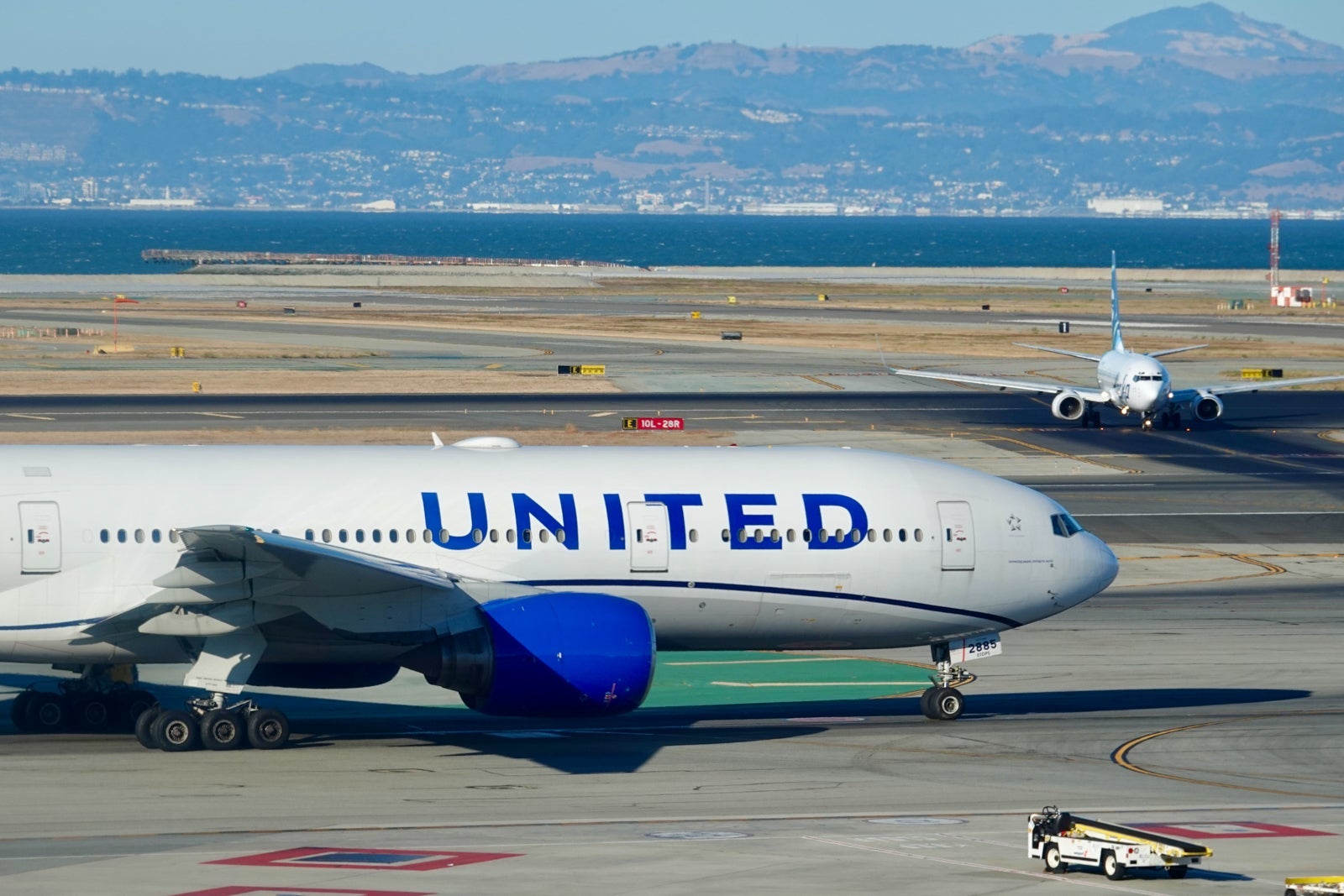
The disruption of commerce in the Middle East is affecting everything from widgets to tropical fruits. But of course, the first good among equals is oil. And given the steep rise in fuel costs, you might expect the demand for air travel to have waned. But United Airlines’ CEO just told employees that the company has experienced the 10 biggest revenue weeks in its history, even as jet fuel prices have more than doubled in a matter of weeks.
It’s unclear how long the airline industry can defy gravity this time, even though it has a long history of doing so. If elevated fuel prices persist—and United is predicting that the per-barrel price goes to $175 before it starts falling—customers might not be so eager to pull out their cards.
American Airlines hinted at negative impacts on a recent earnings call, noting a roughly $400 million hit to first-quarter expenses from rising fuel prices and suggesting the second quarter would be impacted as well.
M&A Is Thriving Amid the Chaos
Historically, this level of volatility would slow dealmaking. But instead, deal value is rising. More than $1 trillion in M&A deals has been announced so far this year, up roughly 27% from the same period last year.
The driver of the upward trend is larger transactions. Fewer deals are being signed overall, but bigger companies are changing hands, pushing total deal value higher.
Dealmakers appear less inclined to wait for the waters to calm. As a Sullivan & Cromwell lawyer put it, uncertainty increasingly “feels like the new normal.” If that mindset holds, 2026 could end up being a banner year for M&A despite the volatility.
Activism on Pause?
This one is a little more speculative, but the Iran conflict could act as a short-term brake on proxy fights. With annual meetings on the horizon, it just so happens that this is the exact time of year when activists have to commit to action or step back. Activists face greater risks when committing capital in an uncertain environment. Those who want to undertake a proxy fight must be prepared to hold their positions for at least six months, lest they get an unwanted reputation as a “quitter.”
These are three perhaps-unexpected consequences of the war in Iran, amid conditions marked by rapid and sometimes abrupt change.
—
Want faster, smarter insights? Intelligize+ AI™ puts the data you need at your fingertips. Request a free trial and see how it can transform your workflow.

Naoki Matcha Superior Ceremonial Blend – Authentic Japanese First Harvest Ceremonial Grade Matcha Green Tea Powder from Uji, Kyoto (100g / 3.5oz)
$39.99 (as of April 1, 2026 02:17 GMT +00:00 - More infoProduct prices and availability are accurate as of the date/time indicated and are subject to change. Any price and availability information displayed on [relevant Amazon Site(s), as applicable] at the time of purchase will apply to the purchase of this product.)
Nutrish Rachael Ray Dry Dog Food Puppy, Real Chicken & Brown Rice Recipe, 13 lb. Bag
$20.99 (as of April 1, 2026 02:17 GMT +00:00 - More infoProduct prices and availability are accurate as of the date/time indicated and are subject to change. Any price and availability information displayed on [relevant Amazon Site(s), as applicable] at the time of purchase will apply to the purchase of this product.)
Purina Fancy Feast Grilled Wet Cat Food Seafood Collection in Wet Cat Food Variety Pack - (Pack of 24) 3 oz. Cans
$22.86 (as of April 1, 2026 02:17 GMT +00:00 - More infoProduct prices and availability are accurate as of the date/time indicated and are subject to change. Any price and availability information displayed on [relevant Amazon Site(s), as applicable] at the time of purchase will apply to the purchase of this product.)
Amazon Echo Studio (newest model), compact design, immersive spatial audio and Dolby Atmos, Designed for Alexa+, Graphite
$189.99 (as of April 1, 2026 02:17 GMT +00:00 - More infoProduct prices and availability are accurate as of the date/time indicated and are subject to change. Any price and availability information displayed on [relevant Amazon Site(s), as applicable] at the time of purchase will apply to the purchase of this product.)













Post Comment