Thinking of Pulling Cash From Your 401(k)? Here’s What the Experts Really Want You to Know Before You Act!

Rising prices got you wondering if raiding your 401(k) is the new hustle to keep the lights on and the fridge stocked? You’re definitely not alone. With inflation climbing like a relentless beast, more and more Americans are eyeing their retirement nest eggs as a quick fix for everyday expenses—from groceries to rent and those pesky credit card bills. But here’s the million-dollar question: is tapping into your 401(k) really a smart move, or could it backfire on your future? Let me break down what a top financial whiz wants you to know before you dip into those funds, plus a peek at some other financial lifelines that might save your wallet without draining your retirement dreams. Ready to navigate this money maze with a little savvy and plenty of grit? LEARN MORE
As prices continue to rise, many Americans are looking for ways to help fund their everyday lives. One place they are turning? Their 401(k)s. More and more people are taking money out of their retirement fund to help them cover the cost of groceries, rent, credit card bills and more. But is it financially safe? Below, we share what a top financial expert wants you to know about withdrawing from a 401(k) and share whether there are other financial relief programs that you can use to help cover your everyday expenses.
What to know about withdrawing money from your 401(k)
A 401(k) is an employer-sponsored retirement savings plan that allows employees to put some of their paycheck into an investment account. Most of the time, the money in the account won’t be accessed until the employee decides to retire, but in some cases, people make a withdrawal from their account to help them feel more financially stable.
When it comes to withdrawing the money, Ashley Russo, a wealth management advisor at Northwestern Mutual, says, “Thoughtful planning is essential when withdrawing from your 401(k) to minimize taxes, avoid penalties and preserve long-term retirement security.”
“As a first step, I recommend my clients familiarize themselves with the various 401(k) withdrawal options, including standard withdrawals, early withdrawals, hardship withdrawals and Required Minimum Distributions (RMD),” she continues. “Each serves a different purpose and understanding which option best aligns with your individual circumstance can help ensure decisions do not negatively impact your overall financial plan. It is also important to consider age-specific rules. Taking out money before age 59½ usually triggers a 10 percent early withdrawal penalty, on top of income taxes. If you can wait until after age 59½, your withdrawals will be penalty-free.”

Russo also notes that the money taken out from a 401(k) account will be taxed, either at the initial deduction or when you file taxes for that calendar year.
“A 401(k) is a strong way to save for retirement because you and your employer don’t have to pay taxes when contributing. Additionally, you won’t be taxed on your earnings as they grow. However, 401(k) distributions are taxed as ordinary income in retirement, so you will have to pay taxes on the withdrawals you make,” she explains. “A diverse mix of assets and investments in retirement can help you be strategic and minimize your tax burden.”
What are good reasons for withdrawing money from your 401(K)?
Unlike a standard savings account, a 401(k) cannot be withdrawn from unless there is an extenuating circumstance.
“I typically advise my clients not to withdraw from their 401(k) early to avoid penalty fees. But, in the case of a financial emergency—such as medical expenses, damage to your home after a big storm or costs related to a funeral—it may be necessary,” says Russo. “Most 401(k) plans allow for hardship withdrawals during a time of serious financial need, as outlined on the provider’s website. Based on the situation, the disbursement may not be subject to the penalty fee but will still incur income taxes. “
How does withdrawing money from your 401(K) affect your future retirement?
Since 401(k)s are meant to help people in retirement, lots of people wonder if withdrawing from the account will impact the later years of their life.
“Using funds early might require more aggressive saving strategies to make up for the loss, risking a shortage in retirement income needs if the gap cannot be made up. When you take money out of your 401(k), you’re not just losing that amount; you’re losing what it could have grown into over time from the compound interest, which can make it harder to reach your long-term goals,” says Russo. “Taking money out early can make closing that gap even more challenging and while there are limited situations where it may be justified, it should generally be considered a last resort.”
If you need money, but can’t withdraw from your 401(k), what are some alternatives?
If you need money and either can’t withdraw from your 401(k) or don’t want to, Russo says that there are options.
“Tapping emergency savings or existing cash reserves is typically the least risky route. If you’re considering withdrawing from your 401(k), it may be worth exploring a 401(k) loan first. You may be able to borrow up to $50,000 or 50 percent of the vested value of your account, whichever is less, and in most cases have five years to repay the loan plus interest,” she explains.

“Borrowing from a 401(k) in this way doesn’t trigger penalties or income taxes, but repayments are typically deducted directly from your paycheck, which can strain monthly cash flows,” Russo continues. “Additionally, if you leave or lose your job with an outstanding 401(k) loan, the balance may need to be repaid quickly or be treated as a withdrawal. You could also consider a personal loan, a home equity line of credit or short-term strategies like credit cards.”
Ready for more? Subscribe to our YouTube channel for video podcasts, health tips and uplifting stories designed for women 40, 50, 60 and beyond.
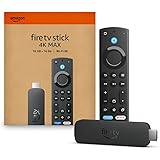
Amazon Fire TV Stick 4K Max streaming device, with AI-powered Fire TV Search, supports Wi-Fi 6E, free & live TV without cable or satellite, find shows faster with Alexa+
$39.99 (as of April 7, 2026 02:21 GMT +00:00 - More infoProduct prices and availability are accurate as of the date/time indicated and are subject to change. Any price and availability information displayed on [relevant Amazon Site(s), as applicable] at the time of purchase will apply to the purchase of this product.)
Vivirata Automatic Litter Box, Self Cleaning Litter Box with App Control, Large Capacity for Multiple Cats, Noise & Odor Control, Dual Safety Sensors, Easy Maintenance with 2 Roll Garbage Bags, Gray
$189.99 (as of April 7, 2026 02:21 GMT +00:00 - More infoProduct prices and availability are accurate as of the date/time indicated and are subject to change. Any price and availability information displayed on [relevant Amazon Site(s), as applicable] at the time of purchase will apply to the purchase of this product.)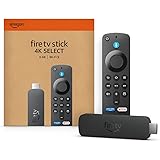
Amazon Fire TV Stick 4K Select (newest model), start streaming in 4K, AI-powered search, and free & live TV, find shows faster with Alexa+
$24.99 (as of April 7, 2026 02:21 GMT +00:00 - More infoProduct prices and availability are accurate as of the date/time indicated and are subject to change. Any price and availability information displayed on [relevant Amazon Site(s), as applicable] at the time of purchase will apply to the purchase of this product.)
Greenies Pill Pockets for Dogs Large Size, Dog Treat Pouch for Capsule Medication, Peanut Butter Flavor, 15.8 oz. Pouch
$16.88 (as of April 7, 2026 02:21 GMT +00:00 - More infoProduct prices and availability are accurate as of the date/time indicated and are subject to change. Any price and availability information displayed on [relevant Amazon Site(s), as applicable] at the time of purchase will apply to the purchase of this product.)














Post Comment