Trump Drops a Geopolitical Bombshell: Has Iran Really Surrendered to Its Neighbors—or Is Something Bigger Brewing Behind the Scenes?
So, here we are — another high-stakes drama unfolding across the Middle East, where President Donald Trump boldly claims that Iran has “apologized and surrendered” to its neighbors, promising to halt military attacks. Sounds like a plot twist nobody saw coming, right? Yet, the warning bell tolls loudly as Trump hints at more strikes on Iranian targets, a reminder that this saga is far from over. It makes you wonder: can a power so embattled truly be pushed to the brink and back down… or is this just the calm before a fiercer storm? As the war involving the US, Israel, and Iran trudges into a tense second week — with major operations like Epic Fury drastically reshaping the chessboard — every move sends ripples through global oil markets and fragile alliances. It’s a complex gamble with high stakes, where the next headline could rewrite history or sink markets. Hang on tight, folks — these developments aren’t just current events; they’re seismic shifts with domino effects you can’t afford to ignore. LEARN MORE
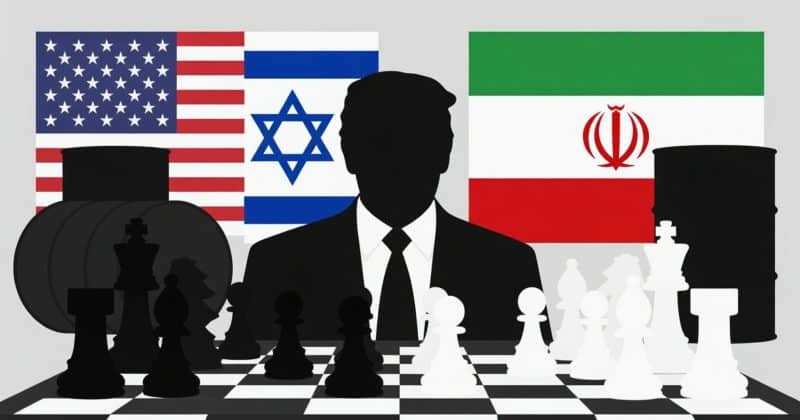
President Donald Trump said that Iran has “apologized and surrendered” to its Middle East neighbors and pledged to cease military attacks against them, while simultaneously warning that additional strikes against Iranian targets are imminent.
In a Truth Social post on Saturday, Trump claimed that coordinated military pressure from the US and Israel has pushed Iran into retreat and that the country has lost its influence as a regional power.
He also stated that other Middle Eastern countries had thanked him for helping to bring about this outcome.
The US president indicated that military operations would continue, including strikes on targets that had not previously been considered.
War between Iran, US, and Israel enters second week
The war involving Iran, the US, and Israel has entered its second week following the launch of Operation Epic Fury, a large-scale joint military campaign targeting more than 900 sites across Iran.
During the opening wave of strikes, Iran’s Supreme Leader Ali Khamenei was reportedly killed at his compound, creating a sudden leadership crisis in Tehran and escalating tensions across the Middle East.
Over the past week, Iran responded with missile and drone strikes against US military bases in Qatar, Bahrain, and Kuwait. The country also moved to close the strategically vital Strait of Hormuz, a critical global oil transit route, triggering a sharp rise in international oil prices.
The regional situation has further deteriorated as the Iran-aligned militant group Hezbollah resumed heavy rocket and missile attacks from Lebanon toward Israeli targets.
Washington demanded unconditional surrender from Iran’s leadership, but Tehran rejected it, according to the latest developments.
In a statement released today, Iran’s president Masoud Pezeshkian announced that the country’s interim leadership council has authorized a new rule preventing strikes on neighboring countries, stating that Iran will only respond militarily if attacks against Iran originate from their territory.
Bloom Pop Prebiotic Soda 12 Pack, Shirley Temple Flavor, 12oz Cans | Prebiotic Soda for Gut Health, Low Calorie Soda, No Caffeine, Healthy Soft Drink Alternative
$18.98 (as of March 30, 2026 02:16 GMT +00:00 - More infoProduct prices and availability are accurate as of the date/time indicated and are subject to change. Any price and availability information displayed on [relevant Amazon Site(s), as applicable] at the time of purchase will apply to the purchase of this product.)
Nutramax Cosequin for Dogs Joint Health Supplement, Contains Glucosamine for Dogs, Plus Chondroitin and MSM, Supports Healthy Joints, For All Breeds and Sizes, Chewable Tablets, 132 Count
$34.91 (as of March 30, 2026 02:16 GMT +00:00 - More infoProduct prices and availability are accurate as of the date/time indicated and are subject to change. Any price and availability information displayed on [relevant Amazon Site(s), as applicable] at the time of purchase will apply to the purchase of this product.)
Red Bull Yellow Edition Energy Drink, Tropical, with 114mg Caffeine plus Taurine & B Vitamins, 12 Fl Oz, Pack of 24 Cans
$49.97 (as of March 30, 2026 02:16 GMT +00:00 - More infoProduct prices and availability are accurate as of the date/time indicated and are subject to change. Any price and availability information displayed on [relevant Amazon Site(s), as applicable] at the time of purchase will apply to the purchase of this product.)
FUHAYA 2 Pack Wired Earbuds,Ultra Clear Calls & No Noise Headphones Earbuds Wired 3.5mm, in-Ear Earphones with Built-in Mic Compatible for iPhone/iPad/Android/Laptop/PC
$9.99 (as of March 30, 2026 02:20 GMT +00:00 - More infoProduct prices and availability are accurate as of the date/time indicated and are subject to change. Any price and availability information displayed on [relevant Amazon Site(s), as applicable] at the time of purchase will apply to the purchase of this product.)











Post Comment