Unbelievable Discovery: 110+ New Deep-Sea Species Unveiled Off Australia—Including a Mysterious ‘Ghost Shark’ That Will Blow Your Mind!
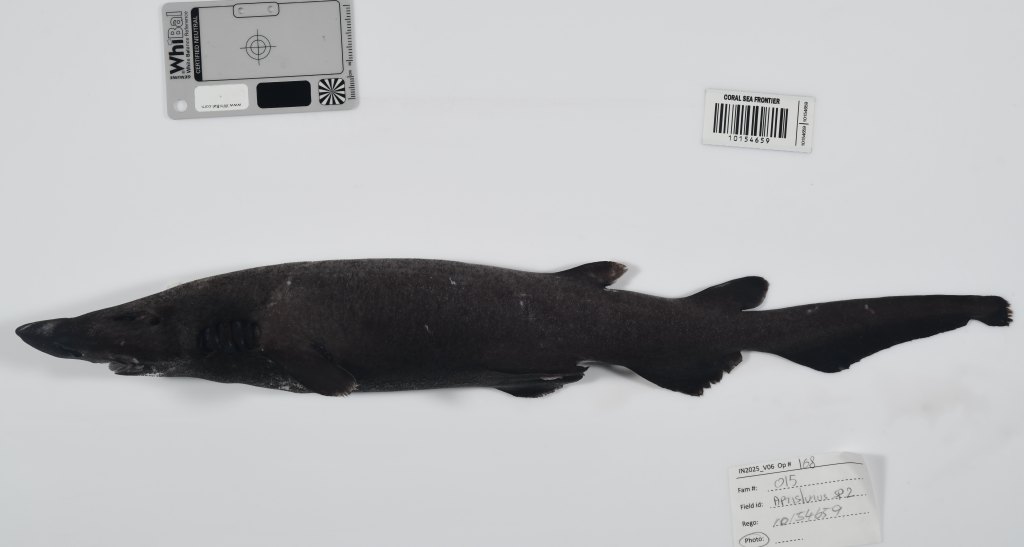
Ever wonder what kind of strange critters are chilling miles beneath the ocean surface, far out where sunlight dares not to peek? Well, buckle up—because a recent deep-sea expedition in Australia’s Coral Sea just uncovered over 110 species of fish and invertebrates that no human eyes had ever met before. Yep, more than a hundred brand-new species, lurking between 200 meters and 3 kilometers down in the chilly, dark depths. These discoveries came from a 35-day journey aboard the CSIRO research vessel Investigator, spanning nearly a million square kilometers in Australia’s largest marine protected area—right next door to the Great Barrier Reef. Think brittlestars, crabs, sponges, and sea anemones—creatures so elusive, they’ve been hiding in plain sight. And the count? Experts believe it might double to over 200. Makes you wonder—what else are we missing down there in the shadows of the ocean? LEARN MORE

More than 110 species of fish and invertebrates previously unknown to science were lurking between 200 metres and 3 kilometres deep in Australia’s Coral Sea—and researchers believe the final count could exceed 200.
The discoveries emerged from a 35-day voyage aboard CSIRO research vessel Investigator, which departed Brisbane last October and traveled as far as Mellish Reef, about 1,000km off the Queensland coast. CSIRO is Australia’s national science agency, and the expedition was a collaboration with The Nippon Foundation-Nekton Ocean Census.
The creatures were found in the Coral Sea marine park, Australia’s largest marine protected area, spanning nearly 1 million square kilometres to the east of the Great Barrier Reef. The haul includes brittlestars, crabs, sea anemones and sponges—animals that had been living in the deep, completely unnoticed.
A shark expert’s personal finds
Dr Will White, a shark expert and the voyage’s chief scientist, said the expedition set out to learn more about the area’s deepwater biodiversity, for which there was “very limited data.”
White personally identified four new species: a skate, a ray, a deepwater catshark and a chimaera—also known as a ghost shark.
The ray, found on the Kenn Plateau roughly halfway between Australia and New Caledonia, is a type of stingaree in the genus Urolophus. White described them as similar to stingrays. “They’ve got a relatively long tail but then they’ve got a caudal fin at the end,” he said.
The new deepwater catshark, in the genus Apristurus, is a tropical species. “They’re very dark-bodied, they’re almost flabby – truly deepwater things, very slow moving, [with] lots of little teeth,” White said.
Then there’s the chimaera — the ghost shark. It’s a type of animal related to sharks and rays with cartilaginous rather than bony skeletons. White described the creatures as having a “rat-like tail, quite a plump nose, and a big spine above the dorsal fin.” They’re also sometimes called rat fish.
Cryptic creatures that defy easy identification
Not every discovery announces itself. Dr Claire Rowe, the marine invertebrates collection manager at the Australian Museum, said many invertebrates collected on the voyage—including jellyfish—were cryptic, meaning they’re difficult to identify based on physical characteristics alone.
Invertebrate specialists on board the Investigator photographed and took tissue samples of the newly collected animals. Scientists were conducting further genetic testing from those tissue samples to confirm which collected specimens were genuinely new to science.
“There does look like there’s some new species of anemones, which is quite exciting,” Rowe said.
Why this matters right now
Rowe stressed the urgency behind expeditions like this. “So little is known about the deep sea,” she said. “It’s such an unexplored area, and with so many threats to our ocean, such as overfishing and climate change and deep sea mining, we need to understand what’s out there before it’s lost.”
The timing is significant. The Coral Sea is almost half a degree warmer than it was 30 or 40 years ago, according to climate scientists. Sea surface temperatures there over both the last summer and calendar year have been the hottest on record.
The biggest workshops of their kind
After the voyage, taxonomists gathered in what White believes were “likely the largest taxonomic workshops of marine animals ever undertaken in Australia” to identify the specimens collected on board.
Samples from the expedition have since been shared around the country, held in collections at CSIRO, the Australian Museum and state museums.
With more than 110 species confirmed so far and the potential for that number to climb past 200, the Coral Sea’s deepwater world is proving far richer—and far more mysterious—than anyone had documented.
Bloom Nutrition Sparkling Energy Drink - Apple Crisp / Glacier Crush Variety Pack - Natural Caffeine, Zero Sugar, 180mg Caffeine - Antioxidant-Rich with Green Coffee Bean, Green Tea Extract, Prebiotics - 12oz 12 Pack
$19.99 (as of April 1, 2026 02:17 GMT +00:00 - More infoProduct prices and availability are accurate as of the date/time indicated and are subject to change. Any price and availability information displayed on [relevant Amazon Site(s), as applicable] at the time of purchase will apply to the purchase of this product.)
Dr. Elsey's Ultra UnScented Clumping Clay Cat Litter 40 lb. Bag
$20.99 (as of April 1, 2026 02:17 GMT +00:00 - More infoProduct prices and availability are accurate as of the date/time indicated and are subject to change. Any price and availability information displayed on [relevant Amazon Site(s), as applicable] at the time of purchase will apply to the purchase of this product.)
Bones Coffee Company Highland Grog, Butterscotch Caramel Flavored Coffee, Medium Roast Low Acid Arabica Beans Compatible with Auto drip and French Press Coffee Maker, 12 Oz Ground
$19.99 (as of April 1, 2026 02:17 GMT +00:00 - More infoProduct prices and availability are accurate as of the date/time indicated and are subject to change. Any price and availability information displayed on [relevant Amazon Site(s), as applicable] at the time of purchase will apply to the purchase of this product.)
UP URARA PUP Easter Dog Collar with Bow Tie, Cotton Easter Bowtie Collar for Small Girl Boy Dog, Cute Carrot Pet Collar with Metal Buckle, Easter Gift Rabbit Dog Collar, S
$13.99 (as of April 1, 2026 02:22 GMT +00:00 - More infoProduct prices and availability are accurate as of the date/time indicated and are subject to change. Any price and availability information displayed on [relevant Amazon Site(s), as applicable] at the time of purchase will apply to the purchase of this product.)









Post Comment