Unlock Hidden Wealth: The Untold Secret to Turning Your Assets into Startup Gold

Let’s face it – every entrepreneur, no matter how visionary or prepared, hits the same brick wall when turning that spark of an idea into a thriving business: cold, hard capital. Imagine this: you’ve got a killer business plan, a dream team, and a roadmap that’s as clear as day. But alas, without the financial juice to kick things off, it’s like trying to light a campfire with damp wood. Traditional bank loans? They love to ask for years of business history—something fresh startups just can’t boast. But hey, here’s a secret you might not have heard: you probably have untapped funding power sitting right under your nose.
Enter asset-based financing—a brilliant alternative that flips the script on old-school lending. Instead of sweating over credit scores or scant revenue histories, this strategy peeks at the treasure chest you already hold. When you grasp how to mold your assets into startup capital, you’re not just funding a business; you’re rewriting your financial destiny. It hands the reins back to you, letting you build a capital stack that’s resilient and poised for growth.
Spotlight on Your Personal and Business Assets
Step one? Take a good, hard look around and catalog exactly what you’ve got. You might see your net worth as one big number, but lenders? They eye it as a patchwork quilt of potential collateral. Here’s where it gets interesting: personal assets and business assets both come into play early on.
Your personal assets could be that cozy home equity, a trusty car, or even that retirement nest egg tucked away for rainy days. Business assets? Think machinery, inventory stacks, or outstanding customer invoices waiting to clear. The trick is turning these assets into liquid working capital—not by selling them, mind you, but by leveraging their current value. It’s like unlocking a secret stash without giving up ownership or future gains.
Tap Into Retirement Funds Without the Usual Tax Whacks
Let’s be real: the thought of accessing your 401(k) or IRA funds early usually sends chills down the spine because of the dreaded penalties and tax hits. But here’s a little-known gem called the Rollover For Business Startups (ROBS). This clever setup lets you legally sidestep those costs and invest your retirement money into your shiny new business venture.
How? You form a new C corporation, open a fresh 401(k) plan for it, then roll over your existing retirement funds into that plan. Next, those funds scoop up stock in your corporation—voila! Your business gets a cash infusion, and your retirement account becomes a shareholder. The icing on the cake? This is debt-free capital. No loan payments breathing down your neck, which means healthier cash flow and more runway to make your business soar.

Use Your Investment Portfolio as a Funding Goldmine
If you’ve amassed a portfolio—stocks, bonds, mutual funds—that you’re reluctant to cash in because you don’t wanna pay taxes or miss out on growth, you’re not alone. The solution? A securities-backed line of credit. It’s a revolving credit line secured by your portfolio’s value, meaning you can tap into funds without selling assets and triggering capital gains.
Lenders usually let you borrow between 50 and 95 percent of your holdings, depending on risk factors. What’s more, interest rates on these lines often beat unsecured loan rates, since the lender’s risk is minimal. Best part: you only pay interest on whatever you draw. Slow month? Pull a little to cover expenses. Big client pays up? Pay down the line. Meanwhile, your portfolio stays intact, working for you with dividends and appreciation.
Flip Your Unpaid Invoices into Cash
We’ve all been there—delivering a stellar service but playing the waiting game for payment, which can seriously gum up cash flow. If your startup deals B2B, accounts receivable financing might just be your ace in the hole. Here, fintech partners front you 80 to 90 percent of those outstanding invoices quickly. When your client finally pays,
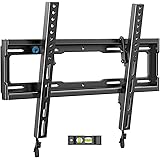
Pipishell Tilt TV Wall Mount Bracket Low Profile for Most 23-55 Inch LED LCD OLED 4K Flat Curved TVs up to 99lbs Max VESA 400x400mm, 8° Tilting for Anti-Glaring, Fits 8-16 inch Wood Stud
$24.99 (as of March 30, 2026 02:20 GMT +00:00 - More infoProduct prices and availability are accurate as of the date/time indicated and are subject to change. Any price and availability information displayed on [relevant Amazon Site(s), as applicable] at the time of purchase will apply to the purchase of this product.)
Best Pet Supplies Interactive Squeaky Dog Chew Toy, Ideal Dog Toys for Chewers, Small, Medium & Large Dogs, and Fetch Lovers - Crinkle Duck (Blue), Large
$5.99 (as of March 30, 2026 02:16 GMT +00:00 - More infoProduct prices and availability are accurate as of the date/time indicated and are subject to change. Any price and availability information displayed on [relevant Amazon Site(s), as applicable] at the time of purchase will apply to the purchase of this product.)
Roku Streaming Stick HD — HD Streaming Device for TV with Roku Voice Remote, Free & Live TV
$17.99 (as of March 30, 2026 02:16 GMT +00:00 - More infoProduct prices and availability are accurate as of the date/time indicated and are subject to change. Any price and availability information displayed on [relevant Amazon Site(s), as applicable] at the time of purchase will apply to the purchase of this product.)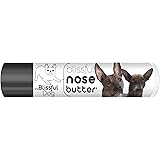
The Blissful Dog Xoloitzcuintli Nose Butter, Versatile Dog Nose Balm for Dry Nose, Handcrafted Nose Moisturizer, Easy-to-Apply Dog Essentials, Unscented, 0.15 oz.
$6.99 (as of March 30, 2026 02:20 GMT +00:00 - More infoProduct prices and availability are accurate as of the date/time indicated and are subject to change. Any price and availability information displayed on [relevant Amazon Site(s), as applicable] at the time of purchase will apply to the purchase of this product.)












Post Comment