Unlock the Hidden Truth Behind Childhood Skin Rashes: What Every Parent and Entrepreneur Must Know Now
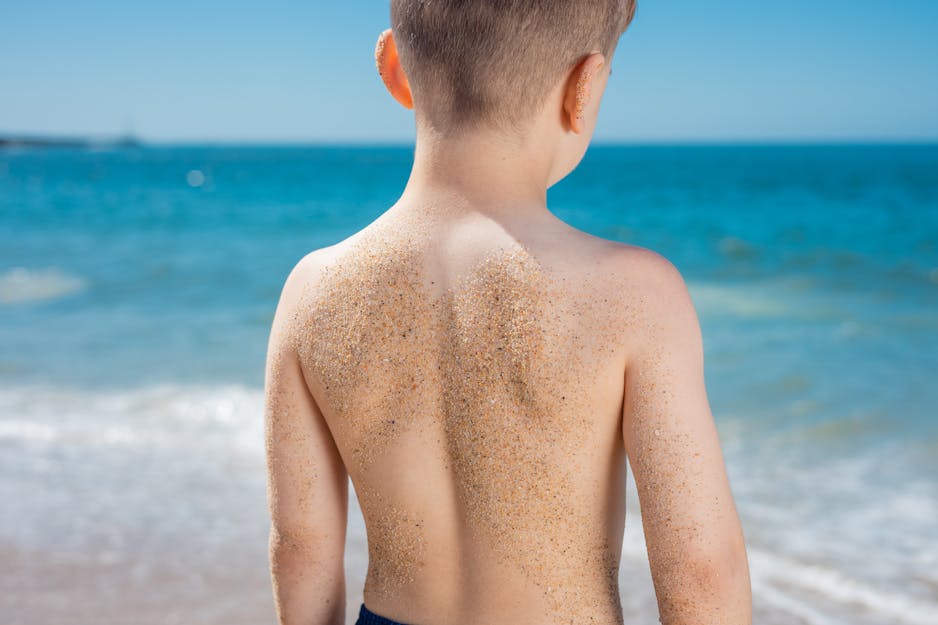
Ever found yourself squinting at your kid’s skin, wondering if that mysterious rash is just a harmless bump or a red flag screaming for a doctor’s attention? Yeah, been there. Kids’ skin isn’t some impervious armor—it’s delicate, sensitive, and a magnet for all sorts of rashes, from the usual diaper rash to eczema, hives, and viral eruptions. What’s fascinating is how these common skin hiccups often tell a bigger story about your child’s health, environment, or even hidden allergies. As someone who’s navigated the wild terrain of business unpredictability, I can tell you this: knowing when to fret and when to chill with your kid’s skin issues is a game-changer. It’s about spotting those subtle signs that separate a temporary nuisance from something that needs immediate care. In this article, with insights from pediatrician Dr. Rene Salhab, we dive deep into the nitty-gritty of childhood rashes—the causes, treatments, and warnings you just can’t afford to miss. After all, keeping your child comfortable and healthy is the ultimate winning strategy. LEARN MORE

Key Takeaways
- Most childhood skin rashes are mild and manageable, though some require medical attention depending on symptoms.
- Common rashes such as diaper rash, eczema, hives, and viral infections each have distinct causes and treatments.
- Identifying triggers like allergens, irritants, or infections helps prevent recurring skin issues in children.
- Warning signs such as high fever, severe pain, or unusual discoloration should prompt immediate medical evaluation.
- Proper skincare routines and preventive measures play a key role in maintaining healthy, irritation-free skin.
Skin rashes are one of the most common reasons parents seek pediatric care, and while many are harmless, some may require medical attention. Children’s skin is sensitive and still developing, making it more prone to rashes triggered by infections, allergies, environmental factors, and other causes. According to pediatrician Dr. Rene Salhab, understanding the signs of common skin irritations and more serious conditions can help parents respond appropriately and avoid unnecessary worry.
In fact, many pediatric skin rashes are mild and resolve on their own or with minimal treatment. One of the most common examples in babies is diaper rash, which typically occurs due to prolonged moisture exposure and skin irritation. Keeping the area clean and dry, along with using barrier creams, is often enough to manage these rashes.
Another frequently seen rash in children is eczema, also known as atopic dermatitis. This condition causes dry, itchy, and inflamed skin, often appearing on the face, elbows creases, neck, or knees. Although eczema is a chronic condition, it is manageable with proper skincare routines and preventive measures. This includes regularly moisturizing and avoiding known triggers such as soaps and fragrant products. However, moderate cases may require topical medicines as well.
Allergic reactions can also lead to skin rashes, commonly known as hives. Hives appear as raised, red, itchy welts that may move around the body. Possible triggers include foods, medications, insect bites, and environmental allergens. While many cases of hives are mild, severe allergic reactions, especially those involving breathing difficulties, require immediate medical attention.
Viral rashes are also very common, especially in young children whose immune systems are still developing. Conditions like roseola or hand-foot-and-mouth disease often present with a rash accompanied by fever or other mild symptoms. Rashes from common viral illnesses usually resolve as the underlying infection runs its course, but monitoring symptoms is important to ensure they don’t worsen. Some viral infections may also require medication.
While many rashes are mild, there are certain warning signs parents should watch for. A rash accompanied by high fever, severe pain, blisters, or unusual discoloration may indicate a more serious condition. The appearance of purple or blood-colored spots, in particular, often signifies a serious infection. Similarly, rashes that persist beyond seven days, spread rapidly, or do not respond to treatment should be evaluated by a pediatrician.
Reputable organizations such as the American Academy of Pediatrics provide information on identifying and managing common childhood skin conditions. These tools can support parents in making informed decisions about when to treat a rash at home and when to seek medical care. When in doubt, however, Dr. Rene Salhab suggests contacting a healthcare provider. In some cases, skin rashes may be linked to underlying health issues such as immune responses or chronic conditions. Pediatricians are trained to assess these symptoms in context, considering factors such as the child’s medical history, recent exposures, and overall health
Ultimately, while skin rashes can be unsettling, most are manageable with proper care and attention. Prevention plays a key role in maintaining healthy skin. Using gentle, fragrance-free products, keeping skin clean and moisturized, and avoiding known irritants can reduce the likelihood of many common rashes. Parents should also be mindful of changes in detergents, skincare products, or diet that could trigger skin reactions. By staying informed and observant, parents can confidently navigate these common childhood concerns and ensure their child’s comfort and well-being.

FAQs
What are the most common skin rashes in children?
Common childhood rashes include diaper rash, eczema, hives, and viral rashes such as those caused by infections. Each type has different causes, but most are mild and treatable with proper care.
How can I treat diaper rash at home?
Diaper rash can usually be managed by keeping the area clean and dry and applying barrier creams. Frequent diaper changes and allowing the skin to breathe can also help speed up healing.
When should I be concerned about a child’s rash?
You should seek medical attention if the rash is accompanied by high fever, severe pain, blisters, or unusual colors like purple spots. Rashes that spread quickly or last more than a week should also be evaluated.
What causes eczema in children?
Eczema is often linked to sensitive skin and can be triggered by irritants like soaps, fragrances, or allergens. While it is a chronic condition, regular moisturizing and avoiding triggers can help manage symptoms effectively.
Are all skin rashes caused by allergies?
No, while some rashes like hives are allergy-related, others may be caused by infections, environmental factors, or skin irritation. Identifying the underlying cause is key to choosing the right treatment approach.

Purina Fancy Feast Grilled Wet Cat Food Seafood Collection in Wet Cat Food Variety Pack - (Pack of 24) 3 oz. Cans
$22.86 (as of April 11, 2026 02:22 GMT +00:00 - More infoProduct prices and availability are accurate as of the date/time indicated and are subject to change. Any price and availability information displayed on [relevant Amazon Site(s), as applicable] at the time of purchase will apply to the purchase of this product.)
Good ‘n’ Fun Triple Flavor Wings Chews for All Dogs, Treat Your Dog to Long-Lasting Chews Made with Chicken, Pork Hide and Beef Hide, , 4 Ounces
$5.04 (as of April 11, 2026 02:22 GMT +00:00 - More infoProduct prices and availability are accurate as of the date/time indicated and are subject to change. Any price and availability information displayed on [relevant Amazon Site(s), as applicable] at the time of purchase will apply to the purchase of this product.)
Reli. Biodegradable Dog Poop Bags w/Holder (1200 Count - 80 Rolls Bulk) | Leash Clip Dispenser | 9x13" Large Dog Bags for Poop | Green Eco-Friendly Oxobiodegradable Waste Disposal Refills (Unscented)
$22.49 (as of April 11, 2026 02:22 GMT +00:00 - More infoProduct prices and availability are accurate as of the date/time indicated and are subject to change. Any price and availability information displayed on [relevant Amazon Site(s), as applicable] at the time of purchase will apply to the purchase of this product.)
PetPivot Open Top Self Cleaning Cat Litter Box, Automatic Litter Box with 7 Pairs of Safety Sensors, Anti-Pinch Protection and Easy Access Step for Senior Cats, Dark Grey
$129.99 (as of April 11, 2026 02:22 GMT +00:00 - More infoProduct prices and availability are accurate as of the date/time indicated and are subject to change. Any price and availability information displayed on [relevant Amazon Site(s), as applicable] at the time of purchase will apply to the purchase of this product.)














Post Comment