Unlock the Secret Playbook UK Entrepreneurs Use to Build Bulletproof, Money-Making Portfolios—And Why You’re Probably Missing Out!

Ever wonder why some UK entrepreneurs seem to sleep easy at night while others are tossing and turning over every market hiccup? The truth is, relying solely on your business to build wealth is like betting all your chips on a single horse—exciting, sure, but risky as heck. Income can swing wildly from one month to the next, and that skyrocketing year could just as easily be followed by a nail-biting slump. That’s where the magic of diversification kicks in. It’s about crafting a financial fortress that doesn’t crumble when one piece falters. In this article, I’ll walk you through how to build a diversified investment portfolio that plays well with your business rather than being chained to it. Ready to stop letting your business be your only game in town? Let’s dive in. LEARN MORE

Running a business in the UK means your income can change month to month. One strong year can be followed by a worrying slump. That means building a stable, diversified investment portfolio is especially important.
Diversification means spreading your money across different types of assets so that if one area performs poorly, others can help to offset the loss. For entrepreneurs, this also means thinking about wealth beyond your business itself. Many business owners have most of their net worth tied up in the company they’ve built. That’s a significant concentration of risk. Read ahead to find out how you can start building a portfolio that works alongside your business, not just because of it.
Start with Your Financial Goals
Before you invest anything, get clear on what you’re trying to achieve. Are you building wealth for retirement? Protecting assets to pass on to your family? Creating income outside of the business? Your goals will shape your entire strategy.
You’ll also want to think about your time horizon and your attitude to risk. If you’re in your 30s and won’t need the money for 20 years, you can generally afford to take on more volatility. If you’re approaching retirement, you’ll likely want more stability.
Spread Across Asset Classes
A well-diversified portfolio will typically include a mix of the following:
- Equities (shares) – ownership in companies, which offer growth potential but can be volatile
- Bonds (fixed income) – loans to governments or companies that pay regular interest, generally lower risk than equities
- Property – either direct investment or through real estate investment trusts (REITs)
- Cash and cash equivalents – useful for short-term needs and as a buffer during periods of market uncertainty
- Alternative investments – this can include commodities, infrastructure, or private equity
Within each asset class, you can diversify further by geography and sector. Instead of only holding UK equities, you might also include exposure to US, European, or emerging markets.
Don’t Let Your Business Be Your Entire Portfolio
Many UK entrepreneurs invest heavily back into their own business, and for good reason. It’s where they have the most knowledge and confidence. But it’s also where their income already comes from, which means their financial life can be very exposed to a single outcome.
Good wealth management in the UK includes separating personal wealth from business assets over time, especially as your company grows. Working with a specialist can help you do this in a structured way, including planning around a future sale or exit.
Use Tax-Efficient Wrappers
As an entrepreneur in the UK, you’ll want to make the most of the tax-efficient structures available to you. ISAs allow you to invest up to £20,000 per tax year completely free from UK income tax and capital gains tax. Pensions offer tax relief on contributions, making them one of the most efficient ways to build long-term wealth.
If you operate through a limited company, you may also be able to make employer pension contributions directly from the business. This can be more tax-efficient than taking a salary or dividend first. Speaking with a financial adviser who understands business ownership will help you find the right structure.
Think About Risk Management
Diversification is one layer of risk management, but it’s not the only one. You’ll also want to think about liquidity, how quickly you can access your money if you need it. Some investments, like shares in a listed company, can be sold quickly. Others, like commercial property or private equity, can take much longer to convert into cash.
As a business owner, you may face unexpected calls on your capital, whether that’s covering a cash flow gap, investing in new equipment, or managing a legal dispute. Keeping a portion of your portfolio in more liquid assets will give you flexibility when you need it most.
Review and Rebalance Regularly
A diversified portfolio isn’t something you set up once and forget. Over time, different assets will grow at different rates. What starts as a balanced allocation can gradually drift, leaving you more exposed to one asset class than you intended.
Aim to review your portfolio at least once a year, or whenever your circumstances change significantly. That could mean a change in your business income, a large dividend payment, a business sale, or a shift in your personal goals. Rebalancing helps keep your portfolio in line with your original strategy.
All in All
Building a diversified portfolio as a UK entrepreneur takes planning, patience, and the right support. Your business will likely always be your biggest asset, but it shouldn’t be your only one.
Start by getting clear on your goals, then build outward from there. Use the tax-efficient wrappers available to you, spread your money across different asset types, and work with a financial specialist who understands the specific challenges of business ownership. Done well, a diversified portfolio will give you financial security that goes beyond what any single business can provide.
The value of your investments and the income from them may go down as well as up, and you could get back less than you invested. Past performance should not be seen as an indication of future performance.
<!–
–>

Ameritex Waterproof Blanket Reversible Dog Bed Cover Pet Blanket for Furniture Bed Couch Sofa
$13.59 (as of March 27, 2026 02:14 GMT +00:00 - More infoProduct prices and availability are accurate as of the date/time indicated and are subject to change. Any price and availability information displayed on [relevant Amazon Site(s), as applicable] at the time of purchase will apply to the purchase of this product.)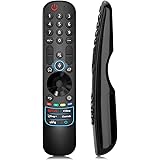
AN-MR24gn-Magic-for-LG-Smart-TV-Voice-Remote-Control-Replacement Universal Compatible with LG OLED Webos Thinq Nano Cell Service TVs for AKB75855501 MR23gn MR22gn MR21ga MR20ga
$5.94 (as of March 27, 2026 02:17 GMT +00:00 - More infoProduct prices and availability are accurate as of the date/time indicated and are subject to change. Any price and availability information displayed on [relevant Amazon Site(s), as applicable] at the time of purchase will apply to the purchase of this product.)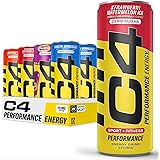
C4 Energy Drinks Variety Pack, Sugar Free Pre Workout Performance Drink With No Artificial Colors or Dyes, Zero Calorie, Coffee Substitute or Alternative, 4 Flavor Variety 12 Pack
$19.99 (as of March 27, 2026 02:14 GMT +00:00 - More infoProduct prices and availability are accurate as of the date/time indicated and are subject to change. Any price and availability information displayed on [relevant Amazon Site(s), as applicable] at the time of purchase will apply to the purchase of this product.)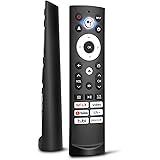
Voice Remote Control Replacement for Hisense Smart Google TV,Compatible with Hisense QLED UHD Mini-LED ULED Google TVs
$6.99 (as of March 27, 2026 02:17 GMT +00:00 - More infoProduct prices and availability are accurate as of the date/time indicated and are subject to change. Any price and availability information displayed on [relevant Amazon Site(s), as applicable] at the time of purchase will apply to the purchase of this product.)













Post Comment