Unlock the Secret to a Thriving Garden That’s 100% Safe—and Irresistible—for Your Dog!
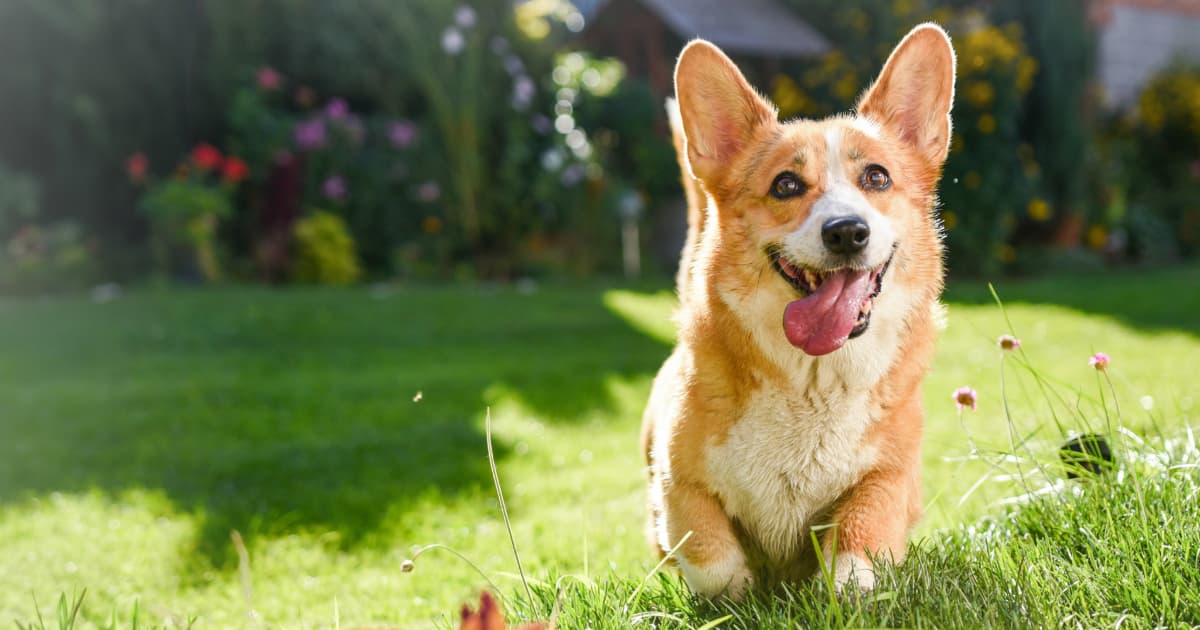
Ever caught yourself wondering if your furry sidekick’s next sniff or nibble could turn your garden into a not-so-happy place? Yep, I’ve been there too—adoring those vibrant blooms but knowing my dog’s curiosity can turn even the prettiest patch into a potential hazard zone. The truth is, crafting a stunning garden that’s also safe for our four-legged explorers might sound like walking a tightrope. But oh, it’s so doable without turning your backyard into a botanical fortress or dedicating hours to endless upkeep. With a sprinkling of dog-safe plant choices and a dash of smart planning, you can whip up a lush, low-maintenance paradise that keeps those wagging tails happy and healthy. Ready to dig in and discover how to blend beauty with safety in your outdoor canine haven? LEARN MORE
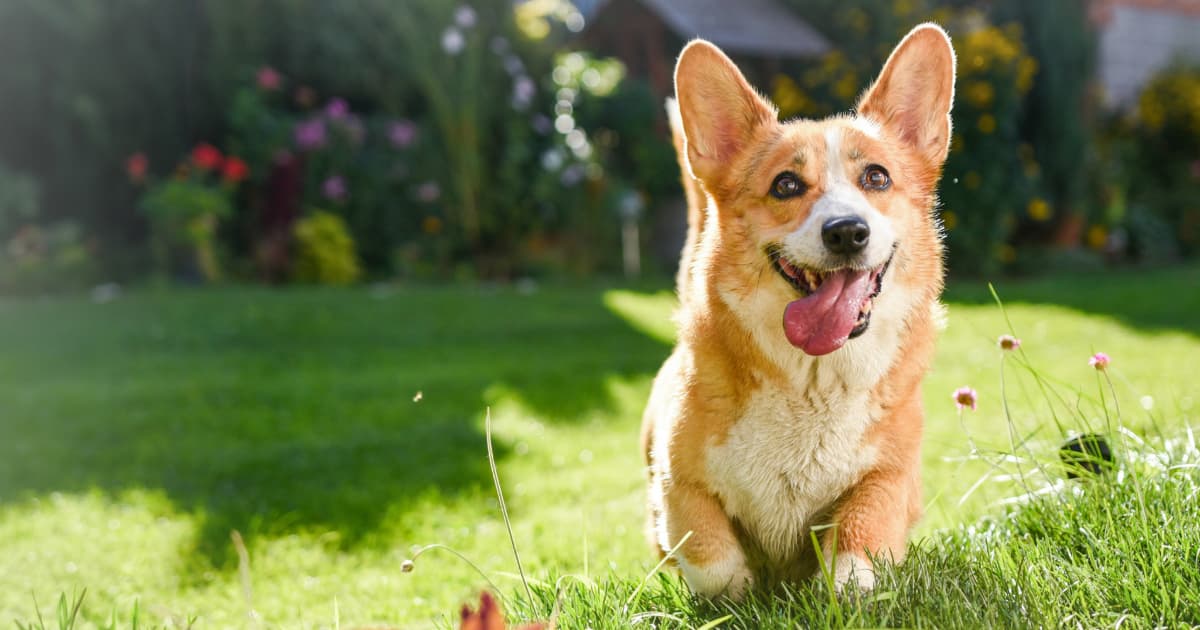
Creating a beautiful garden is rewarding, but for pet owners, safety has to be top of mind. Dogs explore with their noses and mouths, which means plants and shrubs can sometimes pose unexpected risks. Choosing dog-safe plants allows owners to create an outdoor space that’s visually appealing while protecting their furry companions.
The good news is that building a pet-friendly landscape doesn’t require a green thumb or endless upkeep. With the right nontoxic plants, thoughtful placement and attention to growing conditions, you can design a garden that’s dog-friendly, low maintenance and enjoyable for all to use.
Understanding Toxic vs. Nontoxic Plants for Dogs
Not all plants are created equal when it comes to dogs. Some plants are toxic and can cause symptoms ranging from mild stomach upset to more serious reactions. Others, like the spider plant and ponytail palm, are considered completely safe if dogs brush against them or nibble on them occasionally.
Nontoxic plants are a smart foundation for any dog-friendly garden. These plants are generally safe for pets when planted in outdoor spaces where dogs play, nap or patrol the yard. Still, even dog-safe plants shouldn’t replace supervision. Large amounts of plant material can irritate the digestive tract, regardless of toxicity.
Before you plant anything, be sure to check out the list of toxic and nontoxic plants on the ASPCA website or the Pet Poison Helpline’s poisons database. You’ll want to avoid planting toxic flowers, succulents, ferns or any other type of plant just in case your curious canine decides to eat or chew on them. Examples of plants toxic to dogs include tulips, hyacinths, daffodils, lilies of the valley, rhododendrons, oleanders, sago palms and yews. There are many more, so make sure you check the toxic plant lists or ask your veterinarian.
While choosing dog-safe plants helps reduce risk, accidents can still happen. It’s important to know the signs of poisoning and what to do if you suspect your dog has ingested something harmful.
Dog Safe Flowers That Add Color Without Risk
Flowers bring beauty, scent and seasonal interest to any garden and there are many dog-safe options to choose from. Nontoxic flowering plants let pet owners enjoy color without worrying about exposure.
Marigolds, sunflowers and gerbera daisies are popular flowers that offer many varieties and thrive in full sun. African daisy varieties also add bright color and attract butterflies and bees, making them a great addition to a dog-friendly outdoor space.
For partial shade areas, tender perennials like coral bells offer long stems, interesting foliage, and subtle pink tones. These plants tend to do well in moist soil with regular watering and can thrive with little effort once established.
Herbs and Edible Plants for a Dog-Friendly Garden
Some edible plants can safely coexist with dogs when planted thoughtfully. Basil and rosemary are examples of dog-safe herbs that add scent and beauty to outdoor spaces.
Rosemary is hardy, drought tolerant and thrives in well drained soil with full sun. Basil prefers moist soil and regular watering, especially during warmer months. Both plants are low maintenance and can be grown in containers or garden beds. Garden mint, spearmint and peppermint are also generally safe for dogs. However, the English pennyroyal variety of mint is toxic to dogs.
Edible plants are best enjoyed as part of your cooking routine rather than as snacks for dogs. Keeping edible plants elevated helps protect both the plant and your pets.
Gardening Tips for Pet Owners
For most pet owners, maintenance matters. Taking care of a garden that requires constant attention can become stressful, especially with dogs underfoot. Choosing low maintenance plants that thrive with minimal watering makes upkeep easier. Matching plants to their preferred growing environment helps them stay healthy with little effort.
Regularly inspect your garden for fallen seed pods, broken stems, decomposing leaves or plant debris that dogs might chew. Simple maintenance and pruning routines go a long way toward keeping pets safe.
When you choose plants, consider how your dogs use the garden. High-traffic areas benefit from hardy plants, while decorative varieties may work better in raised-bed designs, containers or as indoor plants.
Planning a Garden for Dogs at Every Stage of Life
Dogs interact with outdoor spaces differently depending on their age, size and energy level. Puppies may be more likely to chew plants or dig in soil, while senior dogs often seek out shaded areas with soft ground cover for resting. Keeping these differences in mind can help pet owners choose plants and layouts that remain safe and functional over time.
Younger dogs may benefit from an open area that limits access to tender plants, while older dogs often prefer predictable paths and stable surfaces that are easy on joints. Choosing dog-safe plants that can handle occasional contact helps reduce stress for both pets and owners.
Seasonal changes are also worth considering. Spring growth, summer heat and winter dormancy can all affect how dogs use the garden. Rotating containers, refreshing mulch and adjusting watering schedules can help plants thrive while keeping dogs comfortable year-round.
Creating a Dog Friendly Garden with Confidence
With the right approach, you can create a garden that balances greenery, safety and function. Dog-safe plants, thoughtful layout and smart plant choices help ensure your yard supports both people and pets alike.
Whether you’re working with a small backyard or a larger outdoor space, choosing nontoxic plants and designing with dogs in mind allows everyone to enjoy the garden together. A dog-friendly landscape isn’t about perfection, it’s about creating a space where dogs, plants and people can thrive side by side.
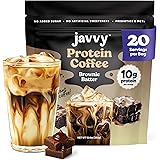
Brownie Batter Protein Iced Coffee - Premium Whey Protein & Instant Iced Coffees - 100% Natural Cold Brew - Zero Artificial Flavors & Sweeteners, 80 mg Caffeine, No Added Sugar, 20 Servings
$33.96 (as of March 31, 2026 02:17 GMT +00:00 - More infoProduct prices and availability are accurate as of the date/time indicated and are subject to change. Any price and availability information displayed on [relevant Amazon Site(s), as applicable] at the time of purchase will apply to the purchase of this product.)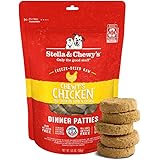
Stella & Chewy's Freeze-Dried Raw Dinner Patties - Chicken Recipe - High Protein Grain-Free Puppy & Dog Food - Perfect For Picky Eaters - 5.5 oz
$11.24 (as of March 31, 2026 02:17 GMT +00:00 - More infoProduct prices and availability are accurate as of the date/time indicated and are subject to change. Any price and availability information displayed on [relevant Amazon Site(s), as applicable] at the time of purchase will apply to the purchase of this product.)
Red Bull Yellow Edition Energy Drink, Tropical, with 114mg Caffeine plus Taurine & B Vitamins, 12 Fl Oz, Pack of 24 Cans
$49.97 (as of March 31, 2026 02:17 GMT +00:00 - More infoProduct prices and availability are accurate as of the date/time indicated and are subject to change. Any price and availability information displayed on [relevant Amazon Site(s), as applicable] at the time of purchase will apply to the purchase of this product.)
Nutrish Rachael Ray Dry Dog Food Puppy, Real Chicken & Brown Rice Recipe, 13 lb. Bag
$21.60 (as of March 31, 2026 02:16 GMT +00:00 - More infoProduct prices and availability are accurate as of the date/time indicated and are subject to change. Any price and availability information displayed on [relevant Amazon Site(s), as applicable] at the time of purchase will apply to the purchase of this product.)










Post Comment