Unlock the Secret Weapon Against Menopause Facial Hair—Natural Supplements That Crush Chin Hairs for Good!
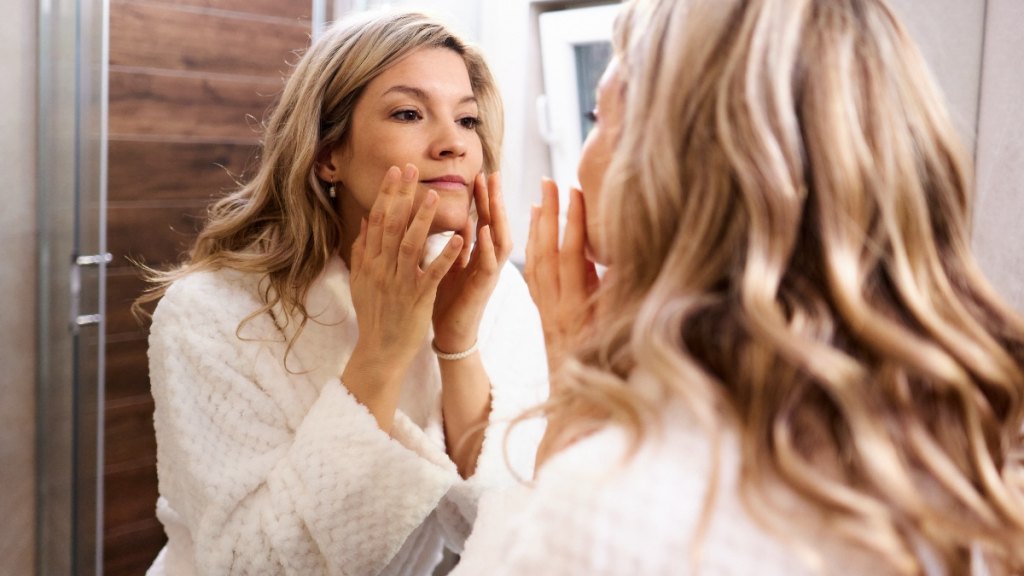
Ever caught yourself mid-pluck in that never-ending game of menopausal whack-a-mole, chasing those rogue chin hairs like they’re on a mission to take over your face? Yeah, been there—tweezers becoming your most loyal (and frustrating) sidekick. But hey, what if I told you there’s a smarter playbook than just yanking them out one-by-one? Turns out, nature’s got our backs with some seriously potent supplements that might just slam the brakes on unwanted facial hair before it even thinks about sprouting. Stick around as a top gynecologist breaks down these science-backed gems, plus some prescription and treatment options that could save you a ton of time (and agony) in front of the mirror. Ready to rethink your approach and kick those chin hairs to the curb for good? Let’s dive in. LEARN MORE

If you’re like us, once you get to a certain age, your tweezers take on a central role in your routine as you find yourself hunting chin hairs in a menopausal version of whack-a-mole. The great news is there’s no need to rely on this old-fashioned tool when there are natural supplements shown to help stop facial hair growth in its tracks. Keep reading as a top gynecologist weighs in on a few study-proven supplements to help get rid of excess facial hair, as well as prescription medications and other remedies to consider.
Why facial hair tends to sprout as we get older
It’s incredibly common for declining estrogen levels in perimenopause and menopause to lead to facial hair, particularly on the upper lip, chin and jaw line, says Maral Malekzadeh, DO, a board-certified gynecologist who specializes in women’s hormonal health.
“It’s about the balance between estrogen and androgens, which are male-type hormones like testosterone,” she explains. “Early in life, both estrogen and androgens are present, but during perimenopause and menopause, estrogen levels start to decline. As a result, the effects of androgens become more noticeable. It’s not that you have more testosterone—it’s that, with less estrogen, you feel the impact of the androgen levels more.”
It’s no wonder a Reddit thread on perimenopause chin hair is full of hundreds of comments from women dealing with this very issue. “I’m convinced there’s nothing on earth with a greater will to live than my chin hair,” one user wrote, while another chimed in, “I have office tweezers, as does my coworker. We call them our emotional support tweezers.”
Still another joked, “Nothing prepares you for the day you and your 12-year-old son both have to start shaving your chin and mustache.”
At the same time, the hair on our scalp can start to thin. “It’s interesting because while we often think of hair growth increasing in some places, the scalp hair thins out instead,” Dr. Malekzadeh says. “That’s because the follicles are sensitive to hormone changes—just not in the way we want. It’s kind of the opposite effect.”
Natural supplements to help stop facial hair growth
The good news when it comes to taming rogue facial hair? There are indeed natural supplements that have proven benefits, says Dr. Malekzadeh. Here, she weighs in on those with the most study-backed promise. Because ideal dosages can vary based on your individual levels, she adds that it’s always best to check with your healthcare provider before starting a new supplement.
Peppermint
One of the best studied supplements for hair growth is peppermint, she says. “It can help lower testosterone over time, though it’s not something that will work immediately.”
Even better news: You can soak up the benefits without having to pop a pill. A study in Phytotherapy Research showed that women with unwanted hair growth who drank spearmint tea (a close cousin of peppermint) twice a day for five days showed significantly lower testosterone levels. That said, you’ll likely need to drink spearmint tea consistently for several weeks to notice a visible difference in excess facial hair growth.
Green tea extract
“Another supplement I see people use is green tea extract,” Dr. Malekzadeh says. “Because of its antioxidant effects, it’s thought to support hormone metabolism. So it’s not a direct treatment, but rather a way to promote overall hormonal balance, which may help reduce excess androgens.”
Zinc and vitamin D
“I generally recommend these two supplements because they play an important role in hormone regulation and overall skin and hair follicle health quality,” she says. “These are natural supplements that can support hormonal health.” She adds that it helps to get your vitamin D levels checked, in particular, especially if you live in a northern region where sunlight is scarce in cooler months.
Saw palmetto
The herb extract has been shown to block androgen activity at the follicle level, Dr. Malekzadeh says. Most women notice the anti-androgen effects on excess hair growth within four to six weeks of consistent use.
3 more ways to stop facial hair growth
Now that we have natural supplements covered, Dr. Malekzadeh shares a few other treatments and Rx options to consider discussing with your doctor.
Laser hair removal
It typically requires a few visits to a dermatologist, but it’s a very effective treatment, especially for darker hairs, she notes.
Spironolactone
“This is an oral medication that I frequently prescribe,” Dr. Malekzadeh notes. “It blocks the androgen receptors, decreasing the growth of finer hair over time.” Because it doesn’t remove existing hair, she adds that it’s great to use it in combination with laser hair treatment for better long-term results. “The laser will help get rid of the hair and then the medication can help slow down and prevent regrowth.”
Elfora
The topical cream works by slowing down facial hair growth, she says, and it typically leads to visible results in four to eight weeks.
The bottom line on facial hair growth
You don’t need to resort to the endless pluck-a-thon because there are several natural supplements shown to block the hormones responsible for unwanted facial hair growth. But they fail to yield the desired results, don’t hesitate to talk to your doctor about laser, oral and topical alternatives.
Ready for more inspiration? Subscribe to our YouTube channel for video podcasts, health tips and uplifting stories designed for women 40, 50, 60 and beyond.
Hint Infused Bottled, Best Sellers Variety Pack - Sugar Free Flavored with Zero Calories, Natural Essences, and No Artificial Sweeteners - 16 Fl Oz (Pack of 12)
$13.46 (as of March 30, 2026 02:16 GMT +00:00 - More infoProduct prices and availability are accurate as of the date/time indicated and are subject to change. Any price and availability information displayed on [relevant Amazon Site(s), as applicable] at the time of purchase will apply to the purchase of this product.)
Sony WF-1000XM6 The Best Truly Wireless Noise Cancelling Earbuds (2026 Model), Bluetooth in-Ear Headphones, with Studio-Quality Sound, Up to 24 Hours of Battery Life, Black
$298.00 (as of March 30, 2026 02:16 GMT +00:00 - More infoProduct prices and availability are accurate as of the date/time indicated and are subject to change. Any price and availability information displayed on [relevant Amazon Site(s), as applicable] at the time of purchase will apply to the purchase of this product.)
GHOST Energy Drink - 12-Pack, Welch's Grape, 16oz Cans - Energy & Focus & No Artificial Colors - 200mg of Natural Caffeine, L-Carnitine & Taurine - Gluten-Free & Vegan
$25.49 (as of March 30, 2026 02:16 GMT +00:00 - More infoProduct prices and availability are accurate as of the date/time indicated and are subject to change. Any price and availability information displayed on [relevant Amazon Site(s), as applicable] at the time of purchase will apply to the purchase of this product.)
Samsung Galaxy Tab A11+ 6GB RAM, 128GB Storage, Optimized Performance, Long Lasting Battery, Expandable Storage, Large Display, Dolby Atmos Speakers, AI Assist, Slim, Light, 2 Year Warranty, Gray
$202.00 (as of March 30, 2026 02:16 GMT +00:00 - More infoProduct prices and availability are accurate as of the date/time indicated and are subject to change. Any price and availability information displayed on [relevant Amazon Site(s), as applicable] at the time of purchase will apply to the purchase of this product.)













Post Comment