Unlock the Surprising Brain-Boosting Habit That Could Slash Your Dementia Risk Starting Today
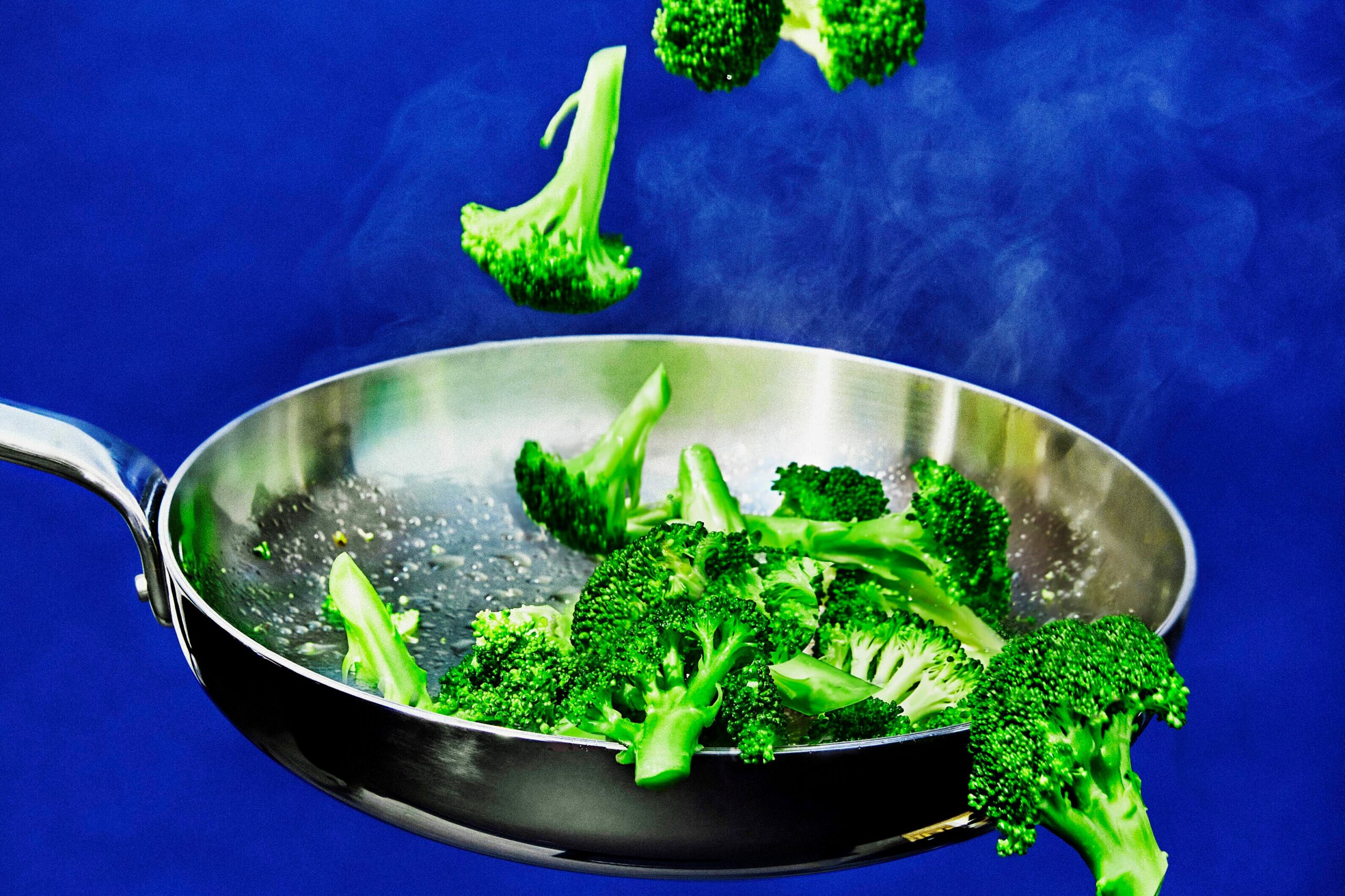
Ever wondered if whipping up a meal from scratch could be more than just a dinner plan—maybe even a secret weapon against dementia? It turns out, there’s some intriguing science suggesting just that. Recent research has found that home cooking, especially at least once a week, might actually lower the risk of developing dementia. What’s even more fascinating? Those with the least kitchen confidence seemed to reap the biggest benefits. Cooking isn’t just about ingredients—it engages your brain in planning, sequencing, and learning new things every time you chop, mix, and simmer. So, if you’ve been thinking that maybe it’s time to trade takeout for the stove, this might be the nudge you need to tie on that apron and get cooking—for your brain’s sake!
 4 min read
New research suggests that cooking at home is linked to a lower risk of developing dementia.
The largest benefit was seen in the group with the lowest cooking skills.
Experts say the skills required to cook a meal from scratch can keep the mind sharp and involve lots of brain-healthy elements, such as planning, sequencing, and cognitive novelty.
Scientists are slowly uncovering new ways to lower your risk of eventually developing dementia. But recent research has discovered a potential habit to lower your risk that’s also practical, cheap, and enjoyable: cooking at home.
The study, published in the Journal of Epidemiology & Community Health, suggests that cooking at least one meal from scratch at home once a week is associated with a lower risk of developing dementia. Naturally, the reason behind this is a little more complicated than just tossing together some ingredients and hoping for the best.
Here’s what the researchers discovered, plus why doctors say this is a solid brain-boosting habit to consider taking up, if you’re not already doing it.
Meet the experts: Clifford Segil, DO, a neurologist at Providence Saint John’s Health Center in Santa Monica, California; Dung Trinh, MD, internist at MemorialCare Medical Group and Chief Medical Officer of Healthy Brain Clinic in Irvine, California; and Yuka Tani, PhD, lead study author and associate professor in the Department of Public Health at Institute of Science Tokyo.
What did the study find?
For the study, researchers analyzed health data from nearly 11,000 adults aged 65 and up who participated in the Japan Gerontological Evaluation Study, a population-based study. The participants were followed for six years.
During that time, participants were asked how often they cooked at home and to provide information about their cooking skill level, ranging from whether they could peel fruit and veggies to whether they could make more complicated dishes like stew.
After analyzing the data, researchers discovered that people who cooked a meal from scratch at least once a week had about a 30 percent lower risk of developing dementia compared to those who cooked less than once a week. Interestingly, the association was even stronger among those with lower cooking skills, as they saw risk reductions of up to 67 percent.
Why might home cooking protect against dementia?
The study didn’t dig into why home cooking may be protective against dementia—it just found a link. But there are a few theories on what could be behind this.
“The observed link may reflect multiple factors, including healthier dietary patterns as well as the cognitive and physical engagement involved in meal preparation,” explains Yuka Tani, PhD, lead study author and associate professor in the Department of Public Health at the Institute of Science Tokyo.
But the actual act of cooking may be complex enough in all the right ways. Cooking requires a lot of brain power, points out Clifford Segil, DO, a neurologist at Providence Saint John’s Health Center in Santa Monica, California. “I always use home cooking as an example of executive function, [that involves] doing things in the right order,” he says. Case in point: In order to cook an egg, you have to take out a frying pan, turn on the stove, break an egg, cook the egg, turn off the heat, and then finally, eat the egg.
“Many people with dementia and traumatic brain injuries lose the ability to cook and prepare meals,” Segil says. “The act of cooking requires brain computing power and experience, and the ability to focus to make the food come out edible and tasty.”
Cooking “combines several brain-healthy elements at once—planning, sequencing, physical activity, food shopping, nutrition, and cognitive novelty,” says Dung Trinh, MD, internist at MemorialCare Medical Group and Chief Medical Officer of Healthy Brain Clinic in Irvine, California. But Trinh also adds that cooking can be a sign of “preserved independence,” making it hard to say whether cooking lowers the risk of developing dementia or if people without dementia who can live independently are simply more likely to cook for themselves.
Does the type of meal matter?
Tani points out that the study didn’t dive into this. Still, it’s possible. “Both dietary quality and the cognitive and physical aspects of cooking may be involved,” Tani says. “Activities such as shopping for ingredients may partly explain the association. We also consider that cooking provides meaningful cognitive stimulation, as it involves planning meals, preparing ingredients, cooking, serving, and cleaning—multi-step tasks that engage both cognitive and physical functions.”
But you may also get the same perks from, say, baking a cake, since it’s also a multi-step process, Segil says. “Baking is much more challenging than cooking an egg or steak,” he says. “Meal preparation that requires staging and measuring would be more protective while aging than preparing a simple grilled meal with fish and vegetables.”
What’s the takeaway?
If you don’t enjoy cooking, it’s fair to have some concerns. But experts say there’s no need to panic.
“For those who do not cook or do not enjoy cooking, the key message is not necessarily that they must start cooking themselves,” Tani says. Instead, Tani recommends finding other activities in your life, such as work, hobbies, or social activities, that require you to stay mentally engaged.
That said, Segil suggests at least being open to cooking—even if you haven’t loved it before. “It should never be too late to try a new food or try to cook something new,” he says. “Dabbling with new recipes is a healthy thing to do at any stage of your life.”
Korin Miller is a freelance writer specializing in general wellness, sexual health and relationships, and lifestyle trends, with work appearing in Men’s Health, Women’s Health, Self, Glamour, and more. She has a master’s degree from American University, lives by the beach, and hopes to own a teacup pig and taco truck one day.
Carina Hsieh, MPH, is the deputy features editor of Women’s Health. She has more than a decade’s worth of experience working in media and has covered everything from beauty, fashion, travel, lifestyle, pets, to health.
She began her career as an intern in the fashion closet at Cosmopolitan where she worked her way up to Senior Sex & Relationships Editor. While covering women’s health there, she discovered her passion for health service journalism and took a break to get her Masters in Public Health. Post-grad school, she worked as a freelance writer and as The Daily Beast’s first Beauty, Health, and Wellness Reporter.
Carina is an alum of the Fashion Institute of Technology and the Yale School of Public Health. She and her French Bulldog, Bao Bao, split their time between Brooklyn and Connecticut. She enjoys reformer Pilates, (slow) running, and smelling the fancy toiletries in boutique fitness class locker rooms.

Drizzilicious Mini Flavored Rice Cakes S'mores - Rice Crisps, Healthy Snack for Adults and Kids, Vegan, Gluten Free Snack, Allergen Free, Only 90 Calories Per 21 Pieces- 4 oz (Pack of 1)
$3.15 (as of April 9, 2026 02:21 GMT +00:00 - More infoProduct prices and availability are accurate as of the date/time indicated and are subject to change. Any price and availability information displayed on [relevant Amazon Site(s), as applicable] at the time of purchase will apply to the purchase of this product.)
Bloom Nutrition Sparkling Energy Drink - Variety Pack - Natural Caffeine, Zero Sugar, 180mg Caffeine - Antioxidant-Rich with Green Coffee Bean, Green Tea Extract, Prebiotics - 12oz 12 Pack
$23.28 (as of April 9, 2026 02:22 GMT +00:00 - More infoProduct prices and availability are accurate as of the date/time indicated and are subject to change. Any price and availability information displayed on [relevant Amazon Site(s), as applicable] at the time of purchase will apply to the purchase of this product.)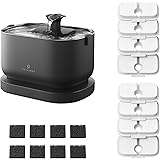
Bundle of PETLIBRO Cat Water Fountain, Cordless Pet Water Fountain Battery Operated+8 Packs Replacement Filters for Dockstream Cat Water Fountain WF005 WF115 WF105, 4 Months Set of Replacement Filters
$53.47 (as of April 9, 2026 02:21 GMT +00:00 - More infoProduct prices and availability are accurate as of the date/time indicated and are subject to change. Any price and availability information displayed on [relevant Amazon Site(s), as applicable] at the time of purchase will apply to the purchase of this product.)
Amazon Echo Show 5 (newest model), Smart display, Designed for Alexa+, 2x the bass and clearer sound, Charcoal
$89.99 (as of April 9, 2026 02:29 GMT +00:00 - More infoProduct prices and availability are accurate as of the date/time indicated and are subject to change. Any price and availability information displayed on [relevant Amazon Site(s), as applicable] at the time of purchase will apply to the purchase of this product.)














Post Comment