Unlock Your Ultimate Workout Power: The Cross-Training Shoes Women Swear By (Tested and Approved!)
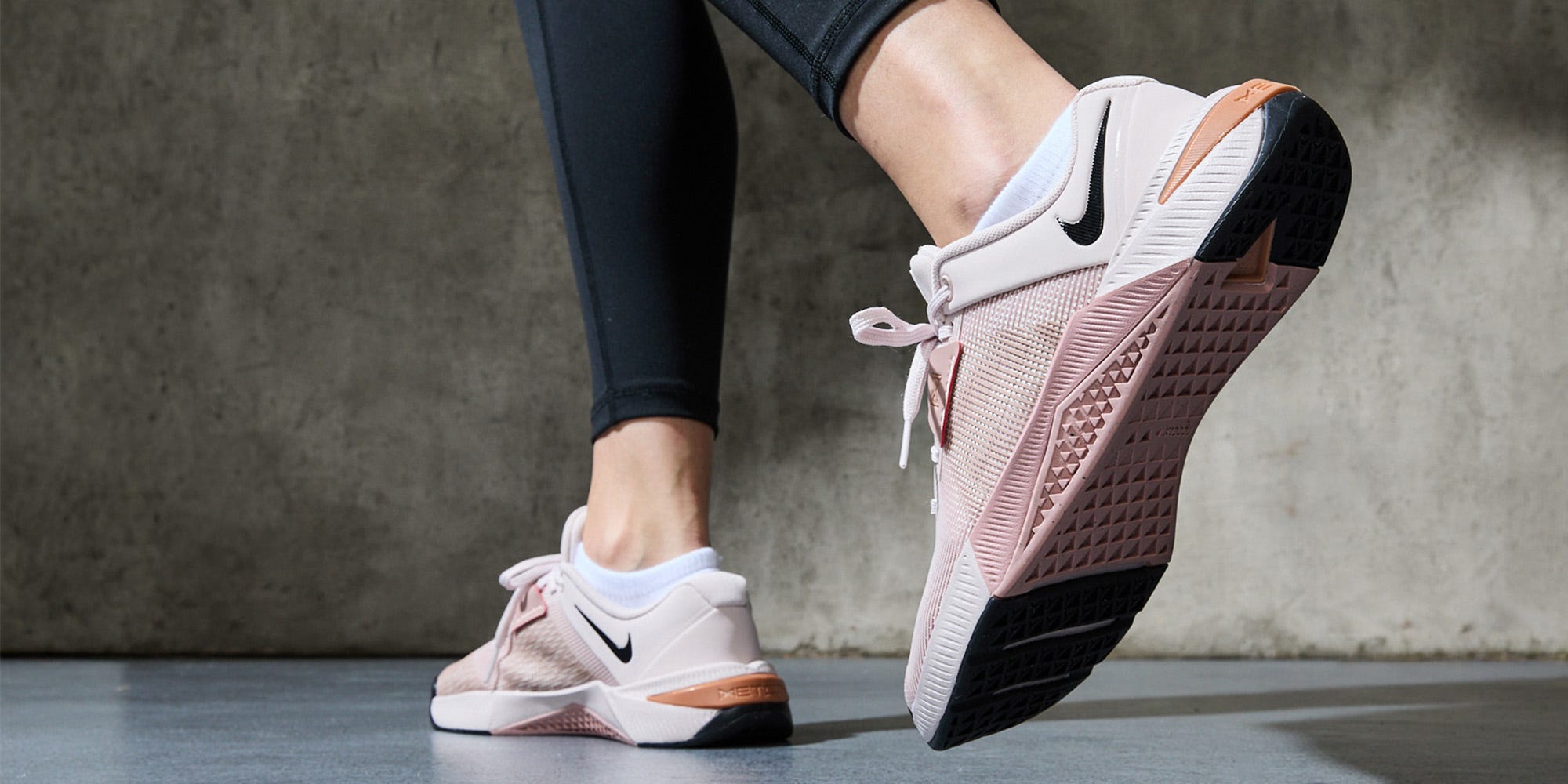
Ever wonder if you can actually find that one shoe that doesn’t make you choose between crushing your morning jog and powering through deadlifts at the gym? Yeah, I’ve been there — stuck between running shoes that feel like clouds for miles but wobble when you hit the weights, and flat cross-trainers that kill your feet on long runs. Enter the Brooks Adrenaline GTS 25, the rare unicorn in the footwear world that somehow nails both. Imagine a shoe that’s got just enough cushioning to keep your feet happy on long hauls, but a sleek, moderate heel-to-toe drop that stays steady when you’re squatting or lunging. It’s like the Swiss Army knife of sneakers — light as a feather at 9 ounces, with clever tech to keep your feet aligned and locked down. Trust me, this isn’t your average running shoe masquerading as a gym buddy. Curious how it stacks up against the Nike Metcon and the veterans out there? Hang tight, because this might just be your new go-to. LEARN MORE.

We wouldn’t recommend most running shoes for cross-training, but the Brooks Adrenaline GTS 25 is an exception. You can effortlessly transition from long runs to deadlifts, thanks to its balanced cushioning and moderate heel-to-toe drop.
Compared to the GTS 24, the latest version has slightly softer cushioning, with about 3 mm more foam in the forefoot and 1 mm in the heel, giving it a smoother, more comfortable feel underfoot. It also drops from 12 mm to 10 mm, creating a slightly more level feel. That can make it feel more stable during strength work than higher-drop running shoes.
At 9 ounces, it’s a lightweight gem, especially for those with overpronation or flat feet during agility drills. Its GuideRails technology—firm foam on both sides of the foot—keeps feet aligned during everything from Bulgarian split squats to lunges to speed walking. Plus, stiff heel padding keeps feet from sliding.
“These feel super comfortable and supportive for everyday life, traditional workouts, walks, easy runs—you name it,” says Melissa Kendter, CPT, a functional strength coach. “I love that this shoe feels well cushioned but doesn’t have a huge chunky sole, making it more appropriate for strength workouts than most running shoes.”
Because the outsole is relatively smooth (it’s built for road miles, not side-to-side gym moves), we’d stick to non-slip floors for quick lateral work. If your workouts are heavy on lifting or plyometrics, a flatter cross-trainer like the Nike Metcon 10 may feel steadier and more secure underfoot.
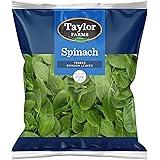
Taylor Farms Spinach, 9 oz Bag
(as of March 30, 2026 02:16 GMT +00:00 - More infoProduct prices and availability are accurate as of the date/time indicated and are subject to change. Any price and availability information displayed on [relevant Amazon Site(s), as applicable] at the time of purchase will apply to the purchase of this product.)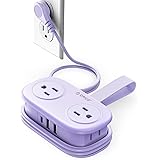
ORICO 4FT Purple Travel Power Strip with 4 AC Outlets, 2 USB-A Ports, and 1 USB-C Port, 45° Flat Plug Extension Cord with Non Surge Protector for Travel/Home/Dorm/Office-AP3
$18.99 (as of March 30, 2026 02:20 GMT +00:00 - More infoProduct prices and availability are accurate as of the date/time indicated and are subject to change. Any price and availability information displayed on [relevant Amazon Site(s), as applicable] at the time of purchase will apply to the purchase of this product.)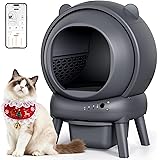
Vivirata Automatic Litter Box, Self Cleaning Litter Box with App Control, Large Capacity for Multiple Cats, Noise & Odor Control, Dual Safety Sensors, Easy Maintenance with 2 Roll Garbage Bags, Gray
$189.99 (as of March 30, 2026 02:16 GMT +00:00 - More infoProduct prices and availability are accurate as of the date/time indicated and are subject to change. Any price and availability information displayed on [relevant Amazon Site(s), as applicable] at the time of purchase will apply to the purchase of this product.)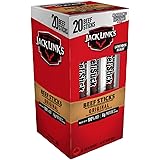
Jack Link's Beef Sticks, Original - Protein Snack, Meat Stick with 6g of Protein, Meat Snack Sticks Made with 100% Beef, Keto Friendly, Individually Wrapped - 0.92 Oz. (20 Count)
$9.89 (as of March 30, 2026 02:16 GMT +00:00 - More infoProduct prices and availability are accurate as of the date/time indicated and are subject to change. Any price and availability information displayed on [relevant Amazon Site(s), as applicable] at the time of purchase will apply to the purchase of this product.)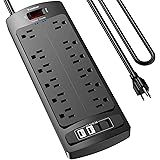













Post Comment