Unlocking the Truth Behind Penis Curves: How DTF St. Louis is Shattering Taboos on Peyronie’s Disease
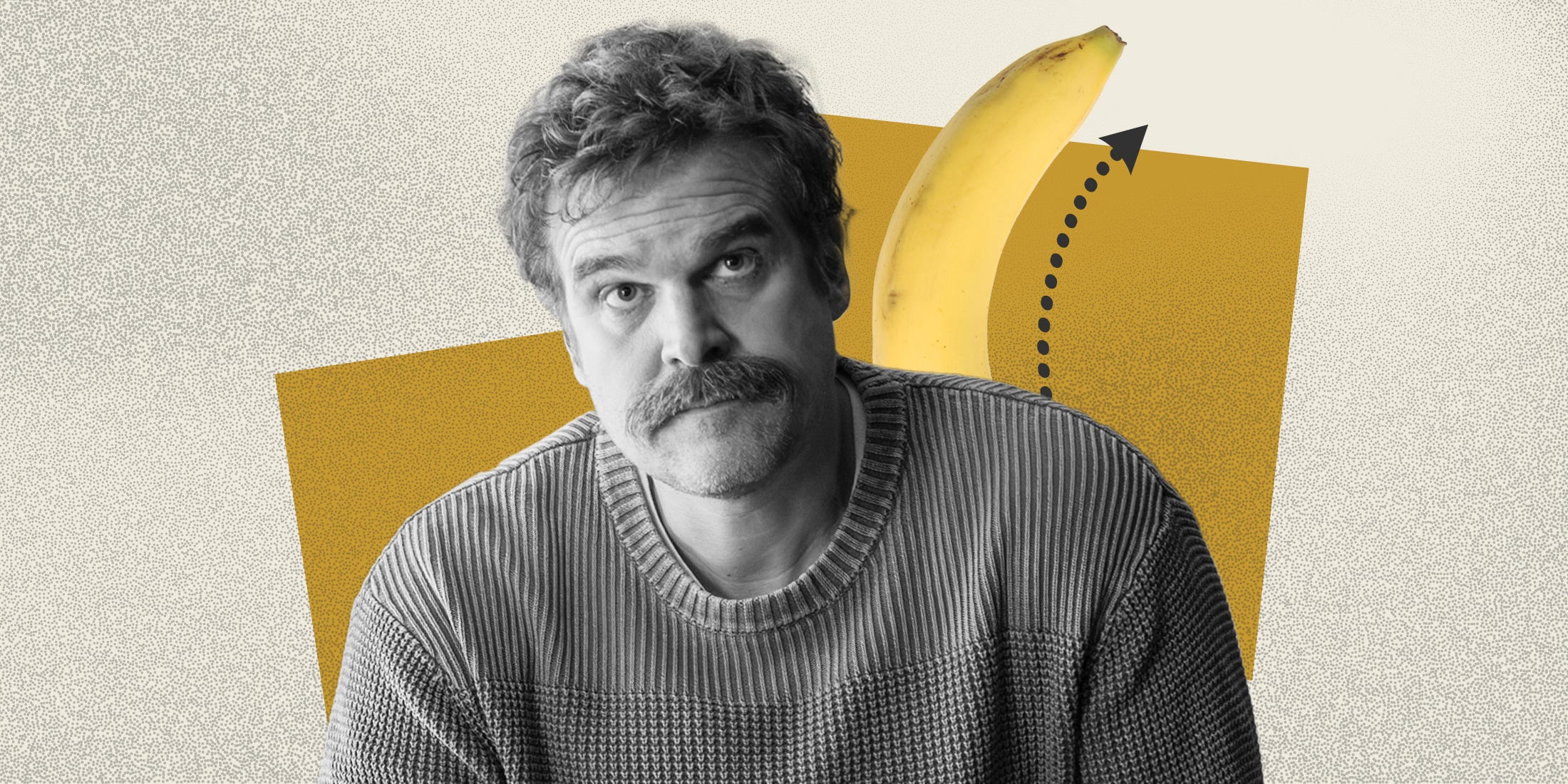
Ever caught yourself wondering how a TV show’s drama could sneakily introduce a little-known health condition and make it strangely compelling? Well, HBO’s latest limited series, DTF St. Louis, isn’t just your run-of-the-mill drama—it’s a swirl of complex relationships, unexpected friendships, and a mystery that’s as much about human connection as it is about the shadows of a peculiar ailment called Peyronie’s disease. Imagine this: a weatherman, his ASL interpreter buddy, and the interpreter’s wife tangled in secrets and a “curve” that might just explain everything that’s going sideways. Intrigued yet? This isn’t just a story about a curved penis—it’s about storytelling genius weaving medical reality into emotional depths you wouldn’t expect. Ready to dive into what makes Peyronie’s disease the real curveball in this plot—and in men’s health at large? Let’s untangle this knot together.LEARN MORE
 5 min read
THERE’S A LOT going on in DTF St. Louis, so let’s take it all from the top, shall we? At its core, HBO’s newest limited series revolves around three people: Clark Forrest, a television weatherman in the St. Louis area; Floyd Smernitch, Clark’s on-air ASL interpreter and burgeoning best friend; and Carol Love-Smernitch, Floyd’s wife who works for the Purina pet food company and moonlights as a little league umpire for some extra cash. The trio, played by the uniformly excellent Jason Bateman, David Harbour, and Linda Cardellini, are unique enough characters to fuel their own story even without much conflict. That’s a testament to the writing talent of the show’s creator, Steven Conrad.
But there’s more to their story, obviously. While the first episode introduces us to the unique dynamic the show is setting up, with Clark and Floyd’s friendship getting stronger and stronger just as Clark simultaneously begins an illicit affair with Carol, we also meet a pair of law enforcement figures (played by Richard Jenkins and Joy Sunday) who are investigating what we learn is the aftermath of all this. Someone—Floyd—is dead. And they’re trying to put together the pieces.

The show is constantly balancing those two threads at the same time: “What Happened to Floyd?” and “How did we get here?” are the two questions the show is asking in every single episode. But there’s another question lingering throughout everything as well: What is going on with Floyd’s “curve”?
In the show’s very first scene, we see Floyd and Clark meet, and Floyd immediately tells his new friend that he’s got a “curve,” and that its something called Peyronie’s disease. Clark, kind of an introvert, is naturally curious, but also a little bit confused by Floyd’s openness. In a way, the reserved Clark is even more enamored with Floyd’s transparency without hesitation than the actual story about his “curve.”
But that doesn’t mean it’s the last we hear about the “curve.” Throughout DTF, there’s a running joke of Floyd promising to tell Clark what happened, and how it happened. And each time it comes up, we get all these tangents of a story that involves a man walking into traffic, broken wrists, and being inspired by American Sign Language. But we never get the true answer to the story; Floyd always gets distracted.
But we also start to get a hint pointing toward the fact that Floyd’s Peyronie’s may be the reason anything went south at all. Because Floyd takes so many different medications for the Peyronie’s, any major deviation could cause devastating consequences. That could involve a lot of different things, including adding medicine without regulation or over-taxing physical activity. There are a lot of ways things could go south, and, as the show’s very first episode showed us, things did indeed go south.

But it’s hardly portrayed in a negative way. DTF St. Louis portrays Floyd as an A+ great guy—who just happens to be living with this ailment. An ailment of which we eventually might learn how he actually got it. And an ailment which may have contributed factors that led to his ultimate demise.
What exactly is Peyronie’s Disease?
Peyronie’s disease is a condition where scar tissue forms under the skin of the penis. The scar tissue specifically builds up in the tunica albuginea, the elastic membrane that keeps the penis hard while erect. As the scar tissue pulls on penile tissue, it can stop the penis from expanding normally. The result is curved and painful erections.
How bent does the penis get?
Most erections are curved, angling between 10° to 20°. This slight bend is usually not an issue. In contrast, men with Peyronie’s disease have a curvature of 90° or more.
“You’ll notice one of a few changes in the appearance of your erect penis,” Frederick Taylor, MD, a men’s health specialist and urologist with Central Ohio Urology Group, previously told MH. “It could be a curvature in any direction—upwards toward the ceiling is most common, but any direction is possible—or a narrowing or hourglass effect.” The curvature can also cause shorter erections that may raise the chances of erectile dysfunction.
About 3 to 10 percent of men have Peyronie’s disease. While it can happen at any age, it is most common between ages 45 to 60.
The Unexpected (and Common) Reason Why Men Get Curved Penises
There is no single cause of Peyronie’s disease. Some people develop it because of autoimmune disorders or a family history of Peyronie’s disease. Some researchers have observed a link between diabetes and surgical prostate cancer treatment with a higher risk of Peyronie’s disease.

Despite the term ‘disease,’ Peyronie’s disease is usually the result of repeated trauma or micro-injuries to the penis, as is the (still unexplained) case with Floyd inDTF St. Louis. This can include a sports injury, but also normal incidents such as a dog unexpectedly jumping on your groin. Even without any visible injury, there is a chance of swelling or bleeding inside the elastic membrane of the penis.
While Peyronie’s disease may also result from rough sex, frequent and normal sexual activity may also be to blame. “Every time you have an erection or intercourse, you create microscopic traumas to the tissues in the penis,” Taylor says. “It’s no different from bumping your knee on your coffee table.”
The Two Phases of Peyronie’s Disease
Peyronie’s disease has an active and passive phase. The active phase takes place between three months to a year where the scar tissue begins to form. During this time, men are more likely to start noticing pain during intercourse. A closer inspection may show a lump or a tender, firm area before the curve.
Men reach the passive phase once the scar tissue is fully set. During this time, the disease is stabilized and the penis does not curve any farther. The pain also starts to dissipate but may reemerge occasionally when erect.
Can Doctors Straighten a Penis?
Peyronie’s disease currently has no cure. With that said, getting treatment early on can help to create a close-to-straight penis along while maintaining the ability to have intercourse.

This can range from injections into the scar tissue, using devices to stretch and lengthen the penis, and medication to break down the scar tissue. Surgery is also possible, but because of the risk of complications, it is not recommended until a man has entered the passive phase of Peyronie’s disease and all other options are exhausted. Even then, it’s not a perfect solution. A man may still have some curvature and shortening of the penis.
There’s also the mental issues that may come from dealing with a curved penis. “There is almost always an emotional component to dealing with Peyronie’s disease,” Taylor explains. “Any change in the penis is going to cause a lot of anxiety and depression and could potentially negatively impact a man’s relationship with his partner.”

Evan is the culture editor for Men’s Health, with bylines in The New York Times, MTV News, Brooklyn Magazine, and VICE. He loves weird movies, watches too much TV, and listens to music more often than he doesn’t.
Jocelyn Solis-Moreira, MS is the associate health & fitness for Men’s Health and has previously written for CNN, Scientific American, Popular Science, and National Geographic before joining the brand. When she’s not working, she’s doing circus arts or working towards the perfect pull-up.

Wireless Earbuds, 2026 Bass-3.0 Bluetooth 5.4 Headphones 3D-Stereo Ear Buds, 4 ENC Noise Cancelling Mic, 40+Hrs USB-C in-Ear Earphones, IP-X7 Waterproof Sport Workout Gym for Laptop Pad Android iOS
$36.99 (as of March 31, 2026 02:20 GMT +00:00 - More infoProduct prices and availability are accurate as of the date/time indicated and are subject to change. Any price and availability information displayed on [relevant Amazon Site(s), as applicable] at the time of purchase will apply to the purchase of this product.)
Amazon Echo Spot (newest model), Great for nightstands, offices and kitchens, Smart alarm clock, Designed for Alexa+, Black
$49.99 (as of March 31, 2026 02:17 GMT +00:00 - More infoProduct prices and availability are accurate as of the date/time indicated and are subject to change. Any price and availability information displayed on [relevant Amazon Site(s), as applicable] at the time of purchase will apply to the purchase of this product.)
FGO Organic Hibiscus Tea, 100 Count, Eco-Conscious Tea Bags, Caffeine Free, Packaging May Vary (Pack of 1)
$16.79 (as of March 31, 2026 02:17 GMT +00:00 - More infoProduct prices and availability are accurate as of the date/time indicated and are subject to change. Any price and availability information displayed on [relevant Amazon Site(s), as applicable] at the time of purchase will apply to the purchase of this product.)
SHOKZ New OpenRun Pro 2- Bone Conduction Headphones, Open-Ear Bluetooth Wireless Sport Earphones for Running, Workouts - Sweat Resistant, Secure Comfortable Fit -Deep Bass, Smart Mic, Reflective Strip
$139.95 (as of March 31, 2026 02:20 GMT +00:00 - More infoProduct prices and availability are accurate as of the date/time indicated and are subject to change. Any price and availability information displayed on [relevant Amazon Site(s), as applicable] at the time of purchase will apply to the purchase of this product.)











Post Comment