Why Irish Businesses Ignoring the EU Presidency Could Be the Biggest Missed Opportunity of the Decade
Ever wonder what it takes for Irish businesses to catch a once-in-a-lifetime wave of opportunity and ride it all the way to new European horizons? Well, Ireland’s upcoming Presidency of the European Union isn’t just another event on the calendar—it’s a golden ticket, and the time to start planning is now. From July through December, the country’s set to host a whirlwind of over 270 official engagements, drawing ministers, commissioners, and top-tier European decision-makers. But here’s the twist—the real magic may happen not inside formal meetings, but in the bustling side events where real connections are forged. If you’re an Irish entrepreneur or business owner sitting on the sidelines hoping to jump in last minute… you might just miss the boat. As Emma Richmond from Whitney Moore put it, “The Presidency is not a spectator sport.” How will you ensure you’re not just watching history but making it? Those who map their moves early—spotting the right partners, aligning with key themes, and showing up ready—could see their businesses catapulted into growth zones they’ve only dreamed of. Plus, this time around, action spreads beyond Dublin, delivering fresh chances for regional firms to shine. The clock’s ticking—August doldrums and December wind-downs shrink the real window to snap up these prospects. So, ask yourself: who do you want to meet, what do you want to be famous for, and how will you use this moment to set the stage for success far beyond 2026? Dive in now—or risk watching that rare window close while you wait. LEARN MORE
Irish businesses are being urged to begin planning now for the opportunities arising from Ireland’s next Presidency of the European Union, with industry leaders warning that companies that wait too long could miss a rare window to build European relationships and expand into new markets.
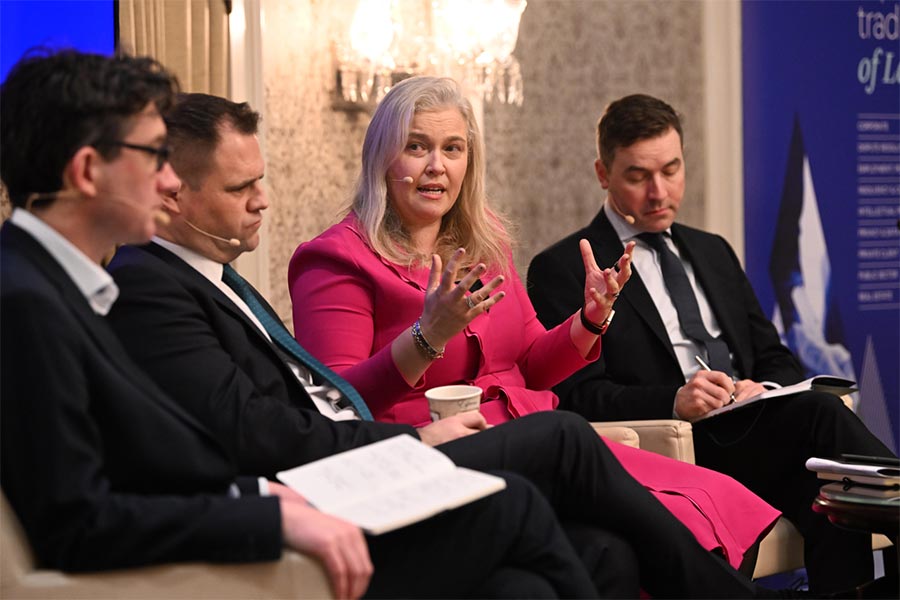
The message emerged at a breakfast discussion hosted this week by Dublin law firm Whitney Moore, where senior voices from across Europe, enterprise and economics examined how Irish firms can benefit from the six-month Presidency.
Ireland will hold the rotating Presidency of the Council of the European Union from July to December, hosting around 270 official engagements that will bring ministers, commissioners, senior officials and members of the European Parliament to the country.
According to speakers at the event, the economic and commercial impact could be substantial.
One panellist compared the potential multiplier effect to the boost seen when major international events arrive in Dublin, but spread across half a year and involving a continuous stream of senior decision-makers from across Europe.
However, the biggest opportunities for Irish companies may arise not from the official meetings themselves but from the parallel ecosystem of events that typically develops around them.
Major Presidency engagements often generate their own schedule of side gatherings, including receptions, roundtables and sector-focused meetings.
For Irish firms, those moments can create access to European buyers, investors and partners that might otherwise take years to reach.
Sectors such as professional services, technology, agri-food and financial services are expected to see particular opportunities given the concentration of senior European policymakers and industry leaders likely to travel to Ireland during the Presidency.
Emma Richmond, managing partner at Whitney Moore, said businesses should treat the Presidency as an active commercial opportunity rather than a political event taking place in the background.
“The Presidency is not a spectator sport,” she said.
“The businesses that benefit most will be the ones that prepare in advance, understand which meetings and themes align with their sector, and use the moment to build relationships that open doors across Europe.”
Unlike Ireland’s previous Presidency in 2013, events are expected to take place across the country rather than primarily in Dublin.
That could widen the economic impact and give regional businesses a greater chance to host or participate in engagements with European stakeholders.
Panellists also cautioned that the practical window for activity will be shorter than the official six-month timeline suggests.
August typically sees a slowdown in EU activity, while December is often dominated by end-of-year wrap-ups.
As a result, companies that wait for the full Presidency programme to be published before planning could find the most valuable opportunities already taken.

Richmond said Irish firms should start identifying potential European partners, engaging with industry bodies and monitoring the official Presidency calendar as soon as it is released.
“Ireland has a chance to put itself front and centre in European business life in a way that rarely comes around,” she said.
“For business owners, that means deciding now who you want to meet, what you want to be known for, and how you turn that visibility into something that still matters in 2030.”
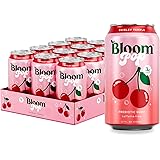
Bloom Pop Prebiotic Soda 12 Pack, Shirley Temple Flavor, 12oz Cans | Prebiotic Soda for Gut Health, Low Calorie Soda, No Caffeine, Healthy Soft Drink Alternative
$18.98 (as of March 30, 2026 02:16 GMT +00:00 - More infoProduct prices and availability are accurate as of the date/time indicated and are subject to change. Any price and availability information displayed on [relevant Amazon Site(s), as applicable] at the time of purchase will apply to the purchase of this product.)
Green Onions (Scallions), One Bunch
(as of March 30, 2026 02:16 GMT +00:00 - More infoProduct prices and availability are accurate as of the date/time indicated and are subject to change. Any price and availability information displayed on [relevant Amazon Site(s), as applicable] at the time of purchase will apply to the purchase of this product.)
Nutrish Rachael Ray Dry Dog Food Puppy, Real Chicken & Brown Rice Recipe, 13 lb. Bag
$20.99 (as of March 30, 2026 02:16 GMT +00:00 - More infoProduct prices and availability are accurate as of the date/time indicated and are subject to change. Any price and availability information displayed on [relevant Amazon Site(s), as applicable] at the time of purchase will apply to the purchase of this product.)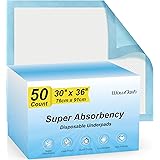
Wowflash Super Absorbency Disposable Leakproof Underpads with Quick Drying for Baby, Adults, Puppy, Dog Bed Pee Pads, Extra Large, XXL Incontinence Pads, 30” x 36”, 50 Count
$29.99 (as of March 30, 2026 02:20 GMT +00:00 - More infoProduct prices and availability are accurate as of the date/time indicated and are subject to change. Any price and availability information displayed on [relevant Amazon Site(s), as applicable] at the time of purchase will apply to the purchase of this product.)











Post Comment