Why Managing Risk in a 24/7 Market Is the Hidden Skill Every Investor is Ignoring—And Paying For

Ever wonder what it’s like to trade in a market that never sleeps? Imagine waking up on a Sunday morning to find Bitcoin took an 8% nosedive while you were catching some much-needed Z’s — ouch, right? That’s the all-too-familiar reality of crypto trading, where the 24/7 whirlwind of digital assets keeps risk lurking around the clock, ready to pounce the moment you blink. Traditional risk management models? They assume markets close, giving you a breather. Crypto? Nope. It’s relentless and unforgiving, demanding a whole new playbook.
In this high-octane arena, managing your positions means juggling leverage, timing, and automated safety nets like a pro — even when you’re off the grid. And yes, it’s as emotionally taxing as it sounds; the psychological toll of constant vigilance is no joke. But here’s the kicker: with the right mix of technology, strategy, and sanity-saving boundaries, thriving in this 24/7 chaos isn’t just possible—it can become your competitive edge. Ready to dive deeper into taming the ever-awake beast of crypto markets?

Key Takeaways
- Cryptocurrency markets operate 24/7, creating continuous risk exposure that traditional risk management models were not built to handle.
- Leverage and position sizing must be adjusted for round-the-clock volatility, especially over weekends and overnight hours.
- Automated, server-side controls such as stop losses and liquidation alerts are essential for protecting positions when traders are offline.
- Blockchain intelligence tools and structured alert systems help traders monitor critical events without constant screen time.
- Sustainable crypto trading requires psychological boundaries, defined monitoring schedules, and intentional use of automation.
In the early hours of a Sunday morning, Bitcoin dropped 8% in under an hour. Leveraged traders who had gone to bed with comfortable positions woke up to liquidation notices. By the time traditional markets opened Monday, the move had already reversed – but the damage was done.
This scenario plays out regularly in cryptocurrency. The 24/7 nature of digital asset trading creates risk management challenges that traditional frameworks weren’t designed to handle.
The always-on problem
Traditional risk management assumes markets close. Position limits calibrate to daily value-at-risk. Overnight exposure is bounded. Weekend risk is minimal.
Cryptocurrency eliminates these pauses. A position opened Monday might experience its largest drawdown at 4 AM Saturday. The risk is continuous, and so must be the management.
Framework adaptations
Position sizing for continuous exposure
Leverage that seems reasonable for a six-hour session becomes dangerous over 168 hours. Professional crypto traders typically use lower leverage than traditional counterparts.
Server-side risk controls
Stop losses that execute regardless of whether you’re watching provide protection during off-hours. Trading risk management in 24/7 markets depends heavily on these automated controls.
Alert-based coverage
Price alerts at critical levels wake traders when attention is needed. Multiple channels ensure alerts aren’t missed.
Follow-the-sun coverage
Institutional desks distribute monitoring across time zones with structured handoffs.
Using intelligence for off-desk coverage
Traders use Arkham alerts and mobile access to maintain coverage while away from desks. Specific configurations might include:
- Threshold alerts for whale movements exceeding a size that historically impacts price
- Government wallet activity notifications
- Liquidation cluster warnings when leverage concentrates at nearby price levels
When an alert fires, blockchain intelligence context helps assess whether the situation warrants intervention or can wait until normal hours.
The psychological dimension
Traders who feel they can never disconnect accumulate stress that affects decisions. Sustainable approaches require boundaries – defined on-call schedules, position sizes that allow sleeping through volatility, explicit decisions about which opportunities are worth the always-on burden.
Platforms like Arkham Exchange build 24/7 operational requirements into their infrastructure. But tools only work if traders use them deliberately.
12–24 month outlook: As traditional finance moves toward extended hours, the 24/7 risk management frameworks developed for cryptocurrency will prove relevant across asset classes. Expect more automation, better alert triage, and tighter integration between monitoring and execution.

FAQs
Why is risk management more complex in cryptocurrency markets?
Crypto markets never close, which means price swings can happen at any hour, including weekends and holidays. This continuous exposure increases the likelihood of sudden drawdowns when traders are away from their desks.
How should leverage be adjusted for 24/7 markets?
Leverage that feels manageable during short trading sessions can become dangerous over a full week of nonstop exposure. Many professional crypto traders reduce leverage to account for unexpected volatility during off-hours.
What role do automated risk controls play in crypto trading?
Server-side stop losses, liquidation alerts, and automated safeguards help protect positions even when traders are asleep or offline. These controls are critical in markets where major moves can occur within minutes.
How can traders monitor markets without being online constantly?
Alert systems tied to price thresholds, large wallet movements, or liquidation clusters allow traders to focus only on meaningful events. Mobile access and structured notification channels ensure important signals are not missed.
How can traders manage the psychological pressure of 24/7 markets?
Setting clear on-call schedules, limiting position sizes, and defining acceptable overnight risk levels help reduce stress. Sustainable performance depends on creating boundaries rather than attempting constant vigilance.
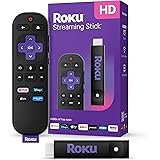
Roku Streaming Stick HD — HD Streaming Device for TV with Roku Voice Remote, Free & Live TV
$17.99 (as of March 30, 2026 02:16 GMT +00:00 - More infoProduct prices and availability are accurate as of the date/time indicated and are subject to change. Any price and availability information displayed on [relevant Amazon Site(s), as applicable] at the time of purchase will apply to the purchase of this product.)
Best Pet Supplies Voyager Step-in Air Harness - All Weather Mesh, Reflective, No Pull Harness for Dogs, Cats - Secure with Hook & Loop Fastener, Buckle, Double D-Rings - Army/Black Trim, XXXS
$13.09 (as of March 30, 2026 02:16 GMT +00:00 - More infoProduct prices and availability are accurate as of the date/time indicated and are subject to change. Any price and availability information displayed on [relevant Amazon Site(s), as applicable] at the time of purchase will apply to the purchase of this product.)
Soundcore by Anker Q20i Hybrid Active Noise Cancelling Headphones, Wireless Over-Ear Bluetooth, 40H Long ANC Playtime, Hi-Res Audio, Big Bass, Customize via an App, Transparency Mode
$39.99 (as of March 30, 2026 02:16 GMT +00:00 - More infoProduct prices and availability are accurate as of the date/time indicated and are subject to change. Any price and availability information displayed on [relevant Amazon Site(s), as applicable] at the time of purchase will apply to the purchase of this product.)
Nutramax Cosequin for Dogs Joint Health Supplement, Contains Glucosamine for Dogs, Plus Chondroitin and MSM, Supports Healthy Joints, For All Breeds and Sizes, Chewable Tablets, 132 Count
$34.91 (as of March 30, 2026 02:16 GMT +00:00 - More infoProduct prices and availability are accurate as of the date/time indicated and are subject to change. Any price and availability information displayed on [relevant Amazon Site(s), as applicable] at the time of purchase will apply to the purchase of this product.)











Post Comment