Why Sport Sponsorships Are Becoming the Secret Goldmine Investors Can’t Afford to Ignore in 2025

Ever wondered what happens when billions of euros start mingling with sponsorship deals across Europe? Believe me, it’s more than just slapping a logo on a jersey or a billboard — it’s a powerhouse of growth, strategy, and surprising shifts that can make or break markets. In 2025, the European sponsorship market didn’t just tiptoe; it surged to a staggering €34.45 billion, revealing that brands are doubling down on connecting with audiences through sport, entertainment, and cultural partnerships like never before. What’s fueling this momentum? Well, sport still holds the crown, pulling in 72% of all sponsorship spending, but don’t overlook the rising stars in arts, culture, and charitable ventures hustling their way into the spotlight with big bucks and even bigger naming-rights deals. From the electrifying rise of women’s sports to AI transforming the way brands engage fans—this isn’t your usual sponsorship story. Ready to dive into what’s driving this dynamic market and why it matters more than ever? LEARN MORE
The European sponsorship market grew to €34.45bn in 2025, marking another year of expansion for the sector as brands increased investment across sport, entertainment and cultural partnerships.
New figures from the European Sponsorship Association (ESA) and research firm Nielsen Sports show the market expanded by 4.7% year-on-year, underlining the continued commercial importance of sponsorship as a marketing and engagement strategy for companies across Europe.
Sport remained the dominant force in the market, accounting for 72% of total sponsorship spending. Investment in sport reached €24.79bn in 2025, representing growth of 5.9% compared with the previous year.
While sport continues to attract the majority of sponsorship spending, non-sport sectors are also approaching significant scale.
Sponsorship activity across arts and culture, entertainment, festivals and charitable initiatives reached €9.66bn, representing 28% of the market and an increase of 1.8% year-on-year.
Naming-rights deals were particularly prominent across these sectors, with companies such as British Airways and Laya Healthcare among the brands securing long-term agreements.
The report also highlights several factors reshaping the sponsorship landscape.
These include the growing commercial appeal of women’s sport, the rise of purpose-driven partnerships and the increasing use of artificial intelligence to enhance sponsorship activation and audience engagement.
Among Europe’s largest national markets, Spain recorded the strongest growth in 2025, with sponsorship investment rising 14% to €2.18 bn.
The expansion was supported by high-profile events, including the first regular-season National Football League game staged in Madrid, as well as increased spending on women’s sport and music festival partnerships.
The UK remained the second-largest sponsorship market in Europe.
Investment there reached €6.15bn, up 10.5% on the previous year, making it the second fastest-growing market among the top five.
Germany retained its position as the largest national market overall at €6.26bn.
Elsewhere, Italy recorded sponsorship spending of €2.01bn, representing growth of 5%, while France reached €1.85bn following an increase of 10.3%.

According to the ESA, the latest figures demonstrate the sector’s resilience as brands seek new ways to connect with audiences through partnerships spanning sport, culture and community initiatives.
The report also points to strong momentum heading into 2026.
Major international events including the 2026 Winter Olympic Games in Italy and the 2026 ICC Women’s T20 Cricket World Cup are expected to create additional sponsorship opportunities, while the growing role of digital storytelling, athlete-led collaborations and AI-enabled partnerships is likely to further reshape the industry.

Bolux Dog Harness, No-Pull Reflective Dog Vest, Breathable Adjustable Pet Harness with Handle for Outdoor Walking - No More Pulling, Tugging or Choking (Blue, S)
$10.07 (as of April 12, 2026 02:31 GMT +00:00 - More infoProduct prices and availability are accurate as of the date/time indicated and are subject to change. Any price and availability information displayed on [relevant Amazon Site(s), as applicable] at the time of purchase will apply to the purchase of this product.)
Hoki Found -Waterproof Pet Feeding Mats with High Lips - Multiple Size and Colors for Dogs, Cats & Others-G
$12.99 (as of April 12, 2026 02:31 GMT +00:00 - More infoProduct prices and availability are accurate as of the date/time indicated and are subject to change. Any price and availability information displayed on [relevant Amazon Site(s), as applicable] at the time of purchase will apply to the purchase of this product.)
Nespresso Capsules Vertuo, Variety Pack, Medium and Dark Roast Coffee, 30 Count Coffee Pods, Brews 7.8 oz.
$42.00 (as of April 12, 2026 02:24 GMT +00:00 - More infoProduct prices and availability are accurate as of the date/time indicated and are subject to change. Any price and availability information displayed on [relevant Amazon Site(s), as applicable] at the time of purchase will apply to the purchase of this product.)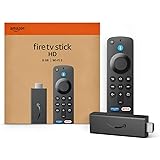
Amazon Fire TV Stick HD (newest model), free and live TV, Alexa Voice Remote, smart home controls, HD streaming
$19.99 (as of April 12, 2026 02:24 GMT +00:00 - More infoProduct prices and availability are accurate as of the date/time indicated and are subject to change. Any price and availability information displayed on [relevant Amazon Site(s), as applicable] at the time of purchase will apply to the purchase of this product.)













Post Comment