Why Women Might Actually Endure Pain WAY Longer Than Men—The Shocking Science Behind It!
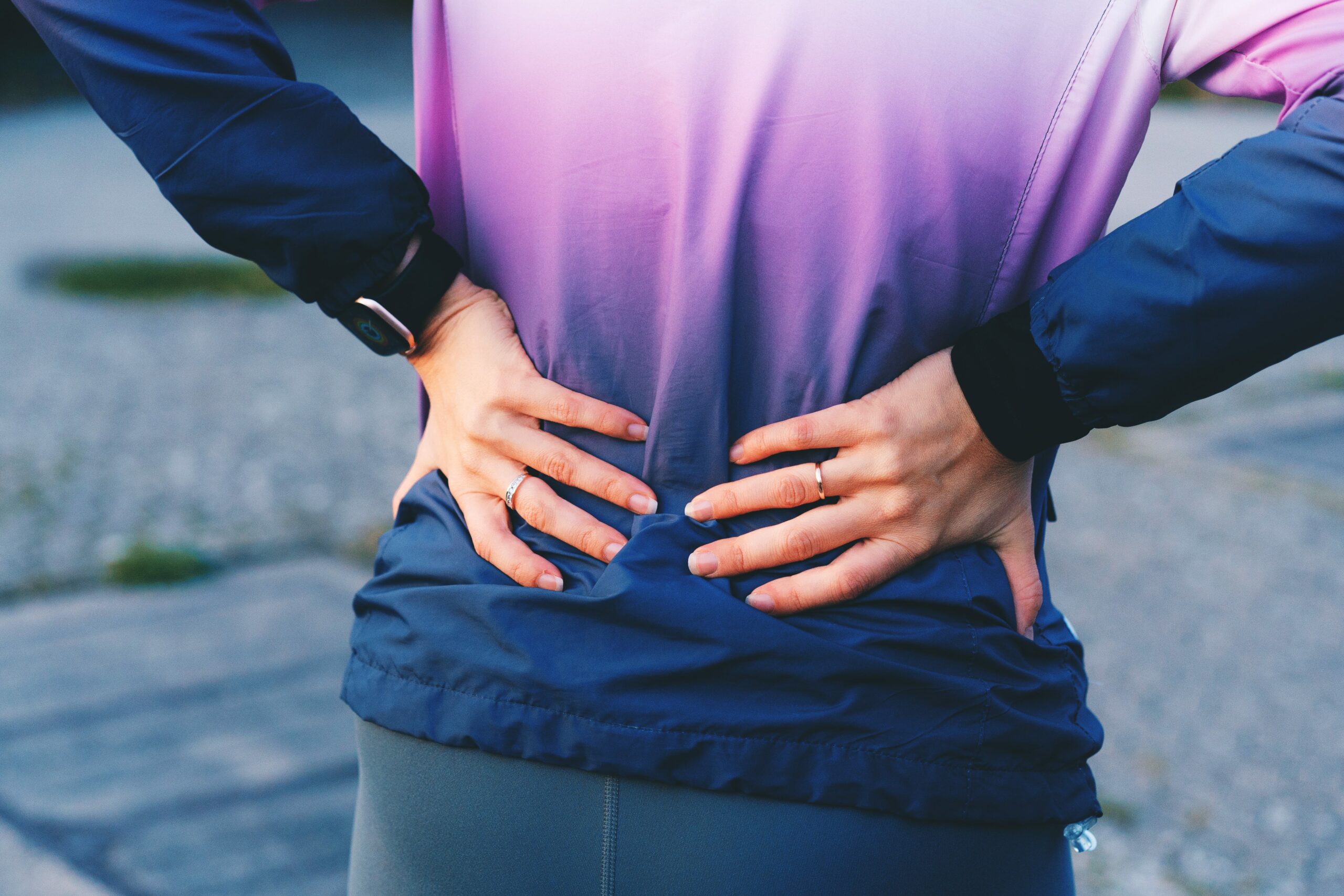
Pain—nobody likes it, nobody wants it, but here’s the kicker: women seem to get stuck with the longer, nagging varieties a lot more than men. You might’ve heard the old tune that women are just “softer” or “more emotional” when it comes to pain—but that’s bunk, pure and simple. A fresh new study throws a wrench in that tired stereotype, showing it’s all about how our bodies’ immune systems handle pain differently. Turns out, a molecule called IL-10 might be the key player here, helping men’s bodies shut off pain signals faster than women’s. Intrigued? So am I. Let’s dive into how mouse experiments married human data and what this means for tackling chronic pain—because real pain deserves real answers, not clichés. LEARN MORE
 4 min read
- A new study found that differences between how men and women perceive pain may be linked to a molecule called IL-10.
- The study authors compared data from mouse models with an existing cohort of human data to examine how men’s and women’s pain responses resolved over time.
- Researchers hope these findings can open the doors to new therapies and prevent chronic pain.
Everybody deals with pain at some point, but women tend to deal with chronic pain more than men. Historically, that’s been chalked up to women just not being as tough as men—a dismissive stereotype—but new research suggests that might not be the case. Instead, it found that men and women have different immune system reactions to pain, and men’s immune systems may be able to shut off pain faster than women’s.
“Our findings show that when pain lasts longer in women, it is real and has a biological basis,” says Geoffroy Laumet, PhD, study co-author and an associate professor in the Department of Physiology at Michigan State University. “It is not because women are ‘softer’ or more emotional.”
Here’s more about what the study found, plus some reasons why these differences may exist.
Meet the experts: Geoffroy Laumet, PhD, study co-author and an associate professor in the Department of Physiology at Michigan State University; Harrison Linder, MD, a pain management specialist with The Center for Interventional Pain Medicine at Mercy Medical Center in Baltimore; Shravani Durbhakula, MD, a pain management specialist at Vanderbilt Health
What did researchers find?
The study, published in Science Immunology, was based on rodent research. “In our early experiments in mice, we noticed an important difference between males and females,” Laumet says. “Female mice took longer to recover from pain and produced lower levels of a molecule that helps calm the electrical activity of pain-sensing nerves.”
Laumet and the research team then wanted to use that information to see how it applied to humans. The team used a dataset from the existing AURORA longitudinal study, which featured 245 people who had been through traumatic injuries from things like car accidents and were asked about their pain levels. Researchers discovered that while men and women had about the same level of pain on the day they were injured, the pain resolved faster over three months in men than in women.
The researchers also examined blood samples from the participants and found that men had higher levels of interleukin-10 (IL-10), a molecule that suppresses pain signals to the brain. (This was the same molecule detected in the mice experiments.)
The findings suggest that IL-10 may help resolve pain and highlight immune system mechanisms that may prevent chronic pain, the researchers wrote in the conclusion.
Why might women’s pain last longer and be more likely to become chronic?
Everyone experiences pain, but different factors can influence how long it lasts, according to Harrison Linder, MD, a pain management specialist with The Center for Interventional Pain Medicine at Mercy Medical Center in Baltimore. “At a biological level, men and women are ruled by distinct hormones,” he says.
In women, estrogen and progesterone impact pain processing and can even increase pain sensitivity during the menstrual cycle, he says. “This is why many women report worsening migraines, pelvic pain, or musculoskeletal pain at certain times of the month,” Linder explains. Changes in estrogen levels may also influence central pain processing and can contribute to central sensitization,” a process in which the nervous system becomes more reactive and amplifies pain signals, he says.
“Many conditions, thought to be more prevalent in women—migraine, irritable bowel syndrome, interstitial cystitis, fibromyalgia—are strongly linked to this phenomenon of central sensitization,” Linder adds.
Whereas for men, Linder explains, the main hormone is testosterone, which may have protective benefits against pain processing. Laumet’s new study also found that testosterone promotes the production of IL-10.
Genetics may also play a role, according to Shravani Durbhakula, MD, a pain management specialist at Vanderbilt Health. “Studies have identified more pain-related genetic factors in women, which may help explain why chronic pain conditions are more common in women overall,” she says. There’s also this to consider, per Durbhakula: “Cultural expectations often encourage men to underreport pain and women to express it more openly.”
What should the takeaway be?
Doctors agree that the findings underscore the importance of speaking up—and continuing to speak up—if you’re in pain. “Everyone experiences pain, and all pain is real,” Linder says. “If it is interfering with your life, your ability to function, or stopping you from doing things you love, it deserves attention.” He stresses that chronic pain isn’t a “personal failure” or reflection of how tough you are. “It is often the result of complex biological processes that deserve proper care,” he says.
Durbhakula also emphasizes that a one-size-fits-all approach to pain management doesn’t work. “Considering sex and gender differences when choosing treatments, medications, and rehabilitation strategies can lead to more effective and equitable care,” she says.
Laumet is also hopeful that the findings could open the door to new treatments. “In the future, therapies that enhance these natural pain-resolution pathways may help shorten pain after injury, prevent it from becoming chronic, and potentially restore recovery mechanisms in people already living with chronic pain,” he says.
Korin Miller is a freelance writer specializing in general wellness, sexual health and relationships, and lifestyle trends, with work appearing in Men’s Health, Women’s Health, Self, Glamour, and more. She has a master’s degree from American University, lives by the beach, and hopes to own a teacup pig and taco truck one day.
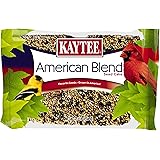
Kaytee Wild Bird American Blend Seed Cake, 2.3 Pounds
$5.99 (as of March 30, 2026 02:16 GMT +00:00 - More infoProduct prices and availability are accurate as of the date/time indicated and are subject to change. Any price and availability information displayed on [relevant Amazon Site(s), as applicable] at the time of purchase will apply to the purchase of this product.)
TERUNSOUl 4K+4K Dash Cam Front and Rear, Free 128GB Card Included, 5.8GHz WiFi Dash Camera for Cars, Built-in GPS, G-Sensor, 170°Wide Angle, 3" IPS Screen, 24H Parking Mode, Support 512GB Max
$109.97 (as of March 30, 2026 02:20 GMT +00:00 - More infoProduct prices and availability are accurate as of the date/time indicated and are subject to change. Any price and availability information displayed on [relevant Amazon Site(s), as applicable] at the time of purchase will apply to the purchase of this product.)
GoTags Stainless Steel Pet ID Tags, Personalized Dog Tags and Cat Tags, up to 8 Lines of Custom Text, Engraved on Both Sides, in Bone, Round, Heart, Bowtie and More (Bow Tie, Small (Pack of 1))
$8.95 (as of March 30, 2026 02:16 GMT +00:00 - More infoProduct prices and availability are accurate as of the date/time indicated and are subject to change. Any price and availability information displayed on [relevant Amazon Site(s), as applicable] at the time of purchase will apply to the purchase of this product.)
N-Bone Puppy Teething Treats,Chicken, 3.74 oz (111150)
$4.28 (as of March 30, 2026 02:16 GMT +00:00 - More infoProduct prices and availability are accurate as of the date/time indicated and are subject to change. Any price and availability information displayed on [relevant Amazon Site(s), as applicable] at the time of purchase will apply to the purchase of this product.)











Post Comment