Why Your Body Temp Drops After 65—And What It Means for Your Health!
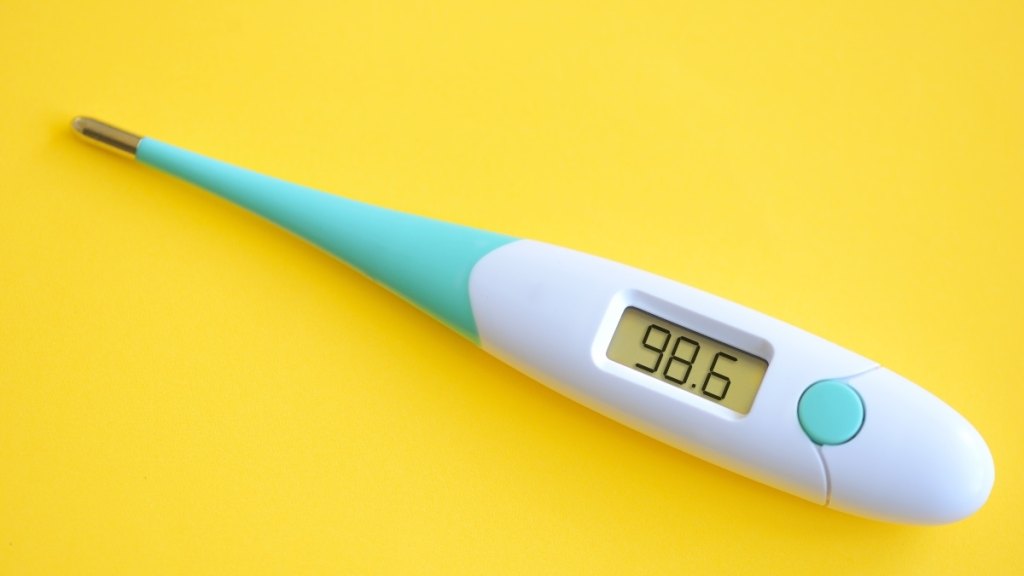
So, here’s the thing: we’ve all been told since forever that our normal body temperature clocks in at 98.6°F, right? But what if I told you that this “golden number” isn’t as set in stone as you think? It actually dances around depending on your age, the time of day, where you measure it (yes, that matters!), and even if you’ve just crushed a workout or chilled on the couch. It’s like your body’s little temperature symphony, and knowing your own personal baseline can totally change the game when it comes to tracking your health. Curious about how to spot when you’re really running a fever or when it’s just your body’s usual rhythm? Stick around — this could save you a trip to the doc or at least a few sleepless nights worrying. Ready to dive into the temperature mystery and get clued-in? LEARN MORE

We grow up learning that our normal body temperature is 98.6 degrees fahrenheit. And while that’s largely true, there’s some variation depending on factors like age, time of day, where you measure and even your activity level. Keep reading to discover what’s normal for you and how knowing your baseline temperature can help you stay healthy, including when to see a doctor for a fever.
Variables that affect your average body temperature
If you’ve been wondering what constitutes a normal body temperature, you’re not the only one. “This has actually been a source of great fascination over the years,” says William Schaffner, MD, professor of preventive medicine and infectious diseases at Vanderbilt University School of Medicine.
“Most people think there’s a single ‘normal’ body temperature, but that’s not really correct,” he continues. “What’s more important is consistency—what’s normal for you.” Here, Dr. Schaffner shares a few key factors that may affect body temperature.
Time of day
Typically, human body temperature is about a degree to a degree and a half lower in the morning than in the late afternoon or evening, he says. This variation partly explains why fevers tend to spike higher in the afternoon and evening when we’re sick.
How the temperature is taken
Another factor is where you take the reading, for example, an oral temperature vs. a forehead temperature measurement. “It’s not going to be identical everywhere,” says Dr. Schaffner. “Even at a single moment, readings can differ depending on the location, whether it’s the mouth, armpit or inner ear.”
The part of your body
“Cold hands, warm heart” isn’t just an idiom, it speaks the truth about our body temperature. “The body’s core, internal temperature around the organs is higher than peripheral areas like our hands and feet,” notes Dr. Schaffner.
Your menstrual cycle
Of course, for women of childbearing age, “normal” body temperature changes with the menstrual cycle. “Around ovulation, temperature rises slightly—that’s why tracking temperature can help with fertility,” notes Dr. Schaffner.
Also worth noting: Exercise will raise body temperature temporarily, adds Dr. Schaffner. And being in hot or cold environments will affect readings, especially at the skin level.
Does normal body temperature change with age?
Yes. Our body temperature tends to decrease as we get older, particularly after age 65, by about a degree to a degree and a half, says Dr. Schaffner. This happens because our inflammatory response weakens and our ability to regulate temperature declines. That said, the differences between age groups and between men and women are relatively small.
Normal body temperature by age
Here’s a quick reference guide to what’s considered a healthy temperature range at different life stages:
| Normal body temperature | Key differences | |
| Children | 97.5 to 99.5°F | Similar to adults; may run slightly warmer at times |
| Adult women under 65 | 97.5 to 99.5°F | Can run slightly higher during ovulation/menstrual cycle |
| Adult men under 65 | 97.0 to 99.0°F | Generally similar to women, but without cyclical variation |
| Adults 65+ (both men and women) | 96.5 to 98.5°F | Baseline tends to be lower; fever may be less pronounced |
What this means for your health
As we age, our weakened inflammatory response means we may not run as high a fever when we’re sick. “For example, with a respiratory infection, an older adult may not develop as high a fever as a younger person would,” says Dr. Schaffner. “A ‘normal’ fever threshold [100.4°F or higher] may not apply the same way. That’s why it’s important to pay attention to changes from a person’s usual baseline.”
For instance, an older person with a temperature of 100°F may actually be running a fever, even though it’s below the typical threshold. And a person in a nursing home who becomes delirious may have the flu even without any fever at all.
The key takeaway? “We need to be more vigilant, especially in older adults and immunocompromised individuals, even if there isn’t a clear fever,” explains Dr. Schaffner. “Someone can still have an infection without a significant rise in [body] temperature.”
When to see a doctor about changes in your body temperature
In short, err on the side of caution and call your doctor if you notice changes from your normal body temperature, urges Dr. Schaffner. “We tend to put it off, but if you’re older, immunocompromised or taking medications that blunt the inflammatory response, your temperature may not rise much at all,” he says. “So if you do hit 100°F, call your provider to be on the safe side.”
Ready for more inspiration? Subscribe to our YouTube channel for video podcasts, health tips and uplifting stories designed for women 40, 50, 60 and beyond

HILASON 1200D Winter Waterproof Poly Horse Turnout Blanket Belly Wrap Red | 72 in
$98.99 (as of April 8, 2026 02:28 GMT +00:00 - More infoProduct prices and availability are accurate as of the date/time indicated and are subject to change. Any price and availability information displayed on [relevant Amazon Site(s), as applicable] at the time of purchase will apply to the purchase of this product.)
Greenies Pill Pockets for Dogs Large Size, Dog Treat Pouch for Capsule Medication, Cheese Flavor, 7.9 oz. Pouch
$8.98 (as of April 8, 2026 02:21 GMT +00:00 - More infoProduct prices and availability are accurate as of the date/time indicated and are subject to change. Any price and availability information displayed on [relevant Amazon Site(s), as applicable] at the time of purchase will apply to the purchase of this product.)
Pedigree Dentastix Large Dog Treats, Original, Beef & Fresh, 2.73 lb. Variety Pack (51 Treats Total)
$23.98 (as of April 8, 2026 02:21 GMT +00:00 - More infoProduct prices and availability are accurate as of the date/time indicated and are subject to change. Any price and availability information displayed on [relevant Amazon Site(s), as applicable] at the time of purchase will apply to the purchase of this product.)
Banana Bunch (4-5 Count)
(as of April 8, 2026 02:21 GMT +00:00 - More infoProduct prices and availability are accurate as of the date/time indicated and are subject to change. Any price and availability information displayed on [relevant Amazon Site(s), as applicable] at the time of purchase will apply to the purchase of this product.)














Post Comment