
5 Shocking Reasons Your Business Loan Could Be Rejected — And How to Flip the Script Before You Apply


Snagging a business loan when you’re just kickstarting a startup? Oh, it ain’t a walk in the park. Banks don’t just hand out cash — they’ve got a laundry list of checks before they open their wallets. New ventures often find themselves stuck trying to tick all those daunting boxes.
So let’s flip the script: Ever wondered why banks slam the door on fresh business loan applications? Knowing these rejection triggers upfront? That’s your secret sauce to dodge pitfalls and tailor your pitch in a way that better fits your unique hustle.
Limited Business Credit History
Here’s the rub — banks put a lot of stock in credit history to figure out if you can handle debt without dropping the ball. The brutal twist? Your shiny new business usually doesn’t have that credit story written yet. That blank slate can spook lenders stiff.
That said, your personal credit score ain’t just hanging out in the background — it can be the star quarterback, especially when you personally back the loan. If your credit past is as lean as a startup budget, beef up your business credit and keep your financial game tight before you even think about borrowing.
Insufficient Cash Flow
Spotting a business that’s ready to churn out enough dough to pay back a loan is lenders’ holy grail. But startups? They often operate in “hope and hustle” mode, with revenue streams that are more like trickles than steady rivers, making lenders sweat over those repayment numbers.
Projections matter, but banks want realistic ones — they’ll size up what you say you’ll earn against what it costs to keep the lights on. So, craft forecasts that don’t just dream big but prepare for those awkward dips in sales and surprise expenses waiting in the wings.
Inadequate Collateral
Most traditional loans come with a catch: collateral. If you can’t pay back, they want something shiny to grab onto. Newbie entrepreneurs? Often missing that treasure trove of assets to put up for grabs.
Banks break down collateral into three nitty-gritty factors:
- Asset value: What your property or equipment is realistically worth.
- Ownership: You actually have the legal key to the collateral kingdom.
- Liquidity: How fast can the lender flip that asset into cash if things go sideways?
If your collateral shelf looks bare, don’t sweat it — there’s a whole world of alternative funding that doesn’t obsess over hard assets.
Weak Business Plan
Think of your business plan as your pitch’s MVP — it’s your playbook showing how you’ll build, operate, and rake in the revenue. If it’s fluffy, vague, or sprinkled with pie-in-the-sky numbers, banks won’t even bat an eye.
Strong plans spotlight your business model in laser focus, craft a clear portrait of your ideal customers, and spell out exactly how the loan fuels your operations.
By the way, if you’re eyeballing franchise funding, make sure that business plan mirrors every startup cost and ongoing bill. The clearer your docs, the easier it is for lenders to back your vision.
Excessive Existing Debt
Here’s a question: How do you expect to juggle new debt when your hands are already full with existing loans? Banks? They think about this a lot. They scan your books to see if adding another bill is asking for trouble.
And newsflash — even if your business idea’s got wings, if your personal debts are sky-high, lenders get cold feet. So, knocking down those balances before you ask for more cash could be the game-changer for your application.
Explore Alternative Business Funding
Knowing why banks say no is like having insider intel before a boss fight. It lets you prep smarter and pivot to financing paths less traveled. Over here at Pango Financial, we’re all about hooking you up with the capital you need to stand tall and scale hard.
Check out our business funding solutions tool — your gateway to discover options that play to your strengths and
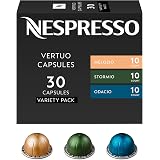
Nespresso Capsules Vertuo, Variety Pack, Medium and Dark Roast Coffee, 30 Count Coffee Pods, Brews 7.8 oz.
$42.00 (as of November 10, 2026 03:23 GMT +00:00 - More infoProduct prices and availability are accurate as of the date/time indicated and are subject to change. Any price and availability information displayed on [relevant Amazon Site(s), as applicable] at the time of purchase will apply to the purchase of this product.)
Apple iPad 11-inch: A16 chip, 11-inch Model, Liquid Retina Display, 128GB, Wi-Fi 6, 12MP Front/12MP Back Camera, Touch ID, All-Day Battery Life — Blue
$399.99 (as of November 10, 2026 03:26 GMT +00:00 - More infoProduct prices and availability are accurate as of the date/time indicated and are subject to change. Any price and availability information displayed on [relevant Amazon Site(s), as applicable] at the time of purchase will apply to the purchase of this product.)
Roku TV Replacement Remote Control (Official Manufacturer Product) | Simple Setup & Pre-Set App Shortcuts - Compatible with RokuTV & Brand Partner TV Models Only (Not Roku Players)
$9.99 (as of November 10, 2026 03:26 GMT +00:00 - More infoProduct prices and availability are accurate as of the date/time indicated and are subject to change. Any price and availability information displayed on [relevant Amazon Site(s), as applicable] at the time of purchase will apply to the purchase of this product.)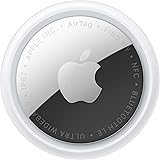
Apple AirTag (2nd Generation): Tracker for Keychain, Wallet, and More; Locator with Sound; Simple One-Tap Setup with iPhone or iPad; Key Finder with up to 1.5X Precision Finding Range
$23.00 (as of November 10, 2026 03:26 GMT +00:00 - More infoProduct prices and availability are accurate as of the date/time indicated and are subject to change. Any price and availability information displayed on [relevant Amazon Site(s), as applicable] at the time of purchase will apply to the purchase of this product.)














Post Comment