
7 Deadly Money Moves You’re Making with Your Bank Card—Here’s How to Stop Bleeding Cash Now
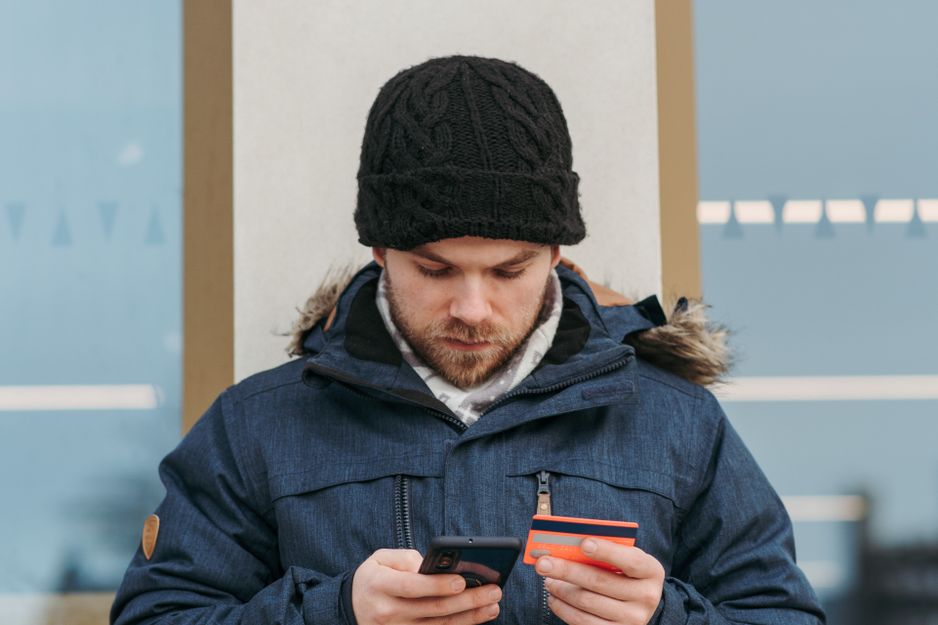
Ever stopped to wonder how many of us treat our bank cards like invisible magic wands—swipe, tap, and presto!—only to realize later that we’ve been handing out our financial keys like candy at a parade? It’s crazy how something as sleek as the card in the picture above can be a gateway to both convenience and chaos. I mean, sure, digital payments make life easier—grocery runs, ride-hailing, online shopping—they’re a few taps away. But here’s the kicker: with great power comes great responsibility, and let me tell ya, many of us slip into habits that put that power at risk. From ignoring those instant transaction alerts to the not-so-smart idea of saving card details everywhere, these little slip-ups pile up faster than you think. The digital age demands more than just a card in your wallet; it demands vigilance. Ready to up your game and protect your financial fortress? Let’s dive into the seven sneaky habits that could be compromising your bank card security—and how to flip the script before it’s too late. LEARN MORE

Key Takeaways
- Practicing good digital banking habits significantly reduces the risk of card fraud and unauthorized transactions.
- Real-time transaction alerts and card-locking features help users respond quickly to suspicious activity.
- Avoiding public Wi-Fi and limiting where card details are stored can improve payment security.
- Promptly freezing or replacing a compromised card can prevent additional financial losses.
- Regularly reviewing security practices is essential as digital payment threats continue to evolve.
Over the years, bank cards have become an everyday essential for many gainfully employed Filipinos. The cards available today also go beyond basic ATM withdrawals, finding plenty of use in cashless transactions for groceries, transport, online shopping, and so much more. Accessible options such as the Maya Mastercard or Visa are highly optimized for combined in-person and digital use, making them a perfect fit for increasingly diverse buying behaviors.
This convenience, however, has come with a growing set of risks. The threat of hackers and fraudsters are ever present, but they aren’t the only things to watch out for. Common bad habits can be just as harmful, and you might even be doing some of these yourself. Actions like sharing details too freely or using unsecured connections can increase your exposure to fraud and other serious financial risks over time.
As more Filipinos adopt cards linked to mobile wallets and app-based banking platforms, understanding which habits weaken card security is becoming a non-negotiable. Below are common habits that can compromise your bank cards, as well as tips on what you should be doing instead.

1. Using a Bank or Card without Real-time Control or Visibility
If you cannot easily track spending or lock your card, suspicious charges can go unnoticed for days, compounding any losses. If you have this issue, the best thing to do is immediately switch to a card or service that does. Some modern cards offered by top digital banks like Maya allow users to instantly view transactions and freeze the card when needed, directly through the accompanying mobile app. If your bank doesn’t offer this visibility, it may be time to make a change.
2. Saving Card Details on Every Website or Phone App
It’s not unusual for Filipinos today to store their card information across multiple shopping apps, food delivery platforms, and subscription services. While this is seldom a requirement, it’s often the only way you can enjoy the full potential of an app, particularly for services you use frequently.
While saving card details does save time, it also increases risk. If you lose your device or if even just one of those platforms suffers a data breach, your card details may be seriously compromised. A safer habit is to save your card only on trusted platforms you use frequently, and remove details from apps you no longer use.
3. Using Public Wi-Fi for Card Transactions
Free Wi-Fi in cafés, airports, or malls can be a lifesaver, sometimes, but these networks are often unsecured. Entering card details while connected to public Wi-Fi makes it easier for cybercriminals to intercept sensitive information. If a transaction cannot wait, switching to mobile data is a much safer alternative, as these connections are encrypted, thereby reducing your exposure to digital theft.
4. Ignoring Your SMS and Email Transaction Alerts and Notifications
Many cardholders turn off app notifications to avoid distractions, but when it comes to your bank card, these real-time alerts serve as a valuable early warning system. Keeping your card app’s notifications enabled allows you to act immediately to block your card and report suspicious activity as soon as you are tipped off to an unrecognized transaction.
5. Sharing Card Details with Friends and Family
Unfortunately, there are cases of fraud that are not perpetuated by strangers, but by trusted friends and family members. To prevent these incidents, use cards that support controlled spending, temporary locks, or more controls for shared expenses.
6. Delaying Card Freezing or Replacement after Suspicious Activity
Sometimes, even if cardholders notice unusual transactions, they do nothing because they assume that the issue will resolve itself. While many of these incidents are, in fact, just system issues, real fraud is always a possibility. Once you see an unfamiliar charge, even a small one, it is best to freeze your card and inquire about a replacement right away. Yes, it can be a hassle, but doing so can prevent further losses and reduce even worse stress later.
7. Treating Card Security as “Set and Forget”
Fraud evolves, and so must our approach to financial security. The best practices and habits recommended now may no longer apply in a few years, if not sooner. Keeping tabs on the threats that are out there and, more immediately, reviewing your own card usage keeps you well ahead of potential risks. Treat your safety as an ongoing habit, and your future self will be protected and grateful.
Start Rethinking Your Card Use Today
Some card-related issues are caused by scams, but there are also many that happen due to user error. The good news is that these habits are easy to change once you understand just how harmful they can be.
As digital payments continue to grow in the Philippines, the basics of everyday personal financial hygiene will only become more important. The cash-based world we once knew may be gone, but with good habits, you can protect your wealth even more easily in today’s digital payment landscape.

FAQs
Why is it important to monitor bank card transactions in real time?
Real-time transaction monitoring allows you to identify unauthorized purchases as soon as they occur. The faster suspicious activity is detected, the sooner you can freeze your card, report the issue, and minimize potential financial losses. Many modern banking apps also provide instant notifications and card management tools that help users maintain greater control over their accounts.
Is it safe to save my card details on shopping websites and mobile apps?
Saving your card information can make future purchases more convenient, but it also increases your exposure if a website, app, or device is compromised. Every additional platform storing your payment information creates another potential point of vulnerability. For better security, only save card details on trusted services you use regularly and remove payment information from apps or websites you no longer need.
Why should I avoid using public Wi-Fi for financial transactions?
Public Wi-Fi networks are often less secure than private internet connections, making it easier for cybercriminals to intercept sensitive information transmitted over the network. This can increase the risk of unauthorized access to banking or payment details. If you need to complete a financial transaction while away from home, using your mobile data connection or another trusted network is generally a safer option.
What should I do if I notice an unfamiliar charge on my bank card?
You should review the transaction immediately and contact your bank if you cannot identify the charge. Freezing or temporarily locking the card, when available, can help prevent additional unauthorized transactions while the issue is being investigated. Acting quickly often limits financial losses and allows your financial institution to begin resolving the problem sooner.
How can I improve my bank card security over the long term?
Strong card security depends on developing consistent habits rather than relying on a one-time setup. Regularly reviewing your account activity, updating passwords, enabling transaction alerts, and staying informed about emerging fraud techniques all contribute to better protection. As digital payment technology continues to evolve, periodically reassessing your security practices helps reduce your exposure to new threats and keeps your financial information better protected.

Smart Bark Collar for Large Medium Small Dogs, Rechargeable No-Bark Collar, Stop Barking Collar, 2026 Upgraded Dog Bark Collar with 3 Modes, 7 Sensitivity, Bright Orange
$25.99 (as of October 9, 2026 03:20 GMT +00:00 - More infoProduct prices and availability are accurate as of the date/time indicated and are subject to change. Any price and availability information displayed on [relevant Amazon Site(s), as applicable] at the time of purchase will apply to the purchase of this product.)
Hint Flavored Water Zero Sugar 0 Calories - Best Sellers Variety (12 pack) | Crisp, refreshing water, fruit flavors. 0 calories, 0 sugar, 0 sweeteners. Hydration for wellness. Gluten-free, Kosher, Vegan
$13.46 (as of October 9, 2026 03:08 GMT +00:00 - More infoProduct prices and availability are accurate as of the date/time indicated and are subject to change. Any price and availability information displayed on [relevant Amazon Site(s), as applicable] at the time of purchase will apply to the purchase of this product.)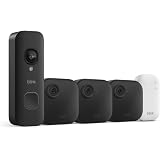
Blink Outdoor 4 and Battery Doorbell 2K+ (newest model) — Two-year battery 1080p cameras and 2K battery doorbell. Sync Module Core included — 3 Cameras + Doorbell (Black)
$189.99 (as of October 9, 2026 03:20 GMT +00:00 - More infoProduct prices and availability are accurate as of the date/time indicated and are subject to change. Any price and availability information displayed on [relevant Amazon Site(s), as applicable] at the time of purchase will apply to the purchase of this product.)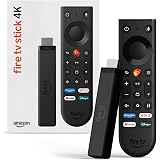
Amazon Fire TV Stick 4K (newest model), simple 4K streaming, new Fire TV Remote, all your apps in one place, free & live TV, find shows faster with Alexa+
$59.99 (as of October 9, 2026 03:29 GMT +00:00 - More infoProduct prices and availability are accurate as of the date/time indicated and are subject to change. Any price and availability information displayed on [relevant Amazon Site(s), as applicable] at the time of purchase will apply to the purchase of this product.)













Post Comment