
Eliquis or Warfarin: The Surprising Winner in Blood Thinners That Doctors Don’t Always Tell You About!
Ever found yourself scratching your head trying to figure out the quirks between Eliquis and warfarin? If you’re on a mission to prevent those pesky blood clots or managing atrial fibrillation (AFib), these two blood thinners are probably on your radar— but picking the right one isn’t always as straightforward as it seems. Think of it like choosing the perfect workout playlist; both get your heart pumping, but each has its own vibe and demands. From dietary quirks (yes, that spinach might actually be messing with your meds!) to the nitty-gritty of which one plays nicer during surgery, there’s a lot to chew on. Lucky for us, a leading cardiologist breaks down the mysteries behind Eliquis versus warfarin, making it easier to navigate this crucial choice with confidence—and without the guesswork. Ready to get the lowdown on what could literally keep your heart in rhythm? Let’s dive in. LEARN MORE

Whether you’re trying to prevent blood clots or have been prescribed a blood thinner to treat atrial fibrillation (AFib), Eliquis (apixaban) and warfarin are two of the most commonly-used medications. How do they compare—and how do you know which is right for you? Here, a top cardiologist explains everything you need to know about Eliquis vs. warfarin, including which one can be affected by what you eat.
Eliquis vs. warfarin: What’s the difference?
Before Eliquis came along, the main blood thinners were aspirin and warfarin (Coumadin). “Aspirin is relatively mild—it can help, but it’s not strong enough to fully stop clot formation or prevent clots from growing. It can slow the process, but it doesn’t shut it down,” says preventive cardiologist Elizabeth Klodas, MD.
On the other hand, warfarin can effectively stop clotting, but it works through a vitamin K–related mechanism, so it’s less targeted, she continues. “It also requires frequent blood tests to make sure you’re taking exactly the right dose, which can be challenging. Some people never quite find the right dose—we’re constantly adjusting it up and down”
Warfarin is also affected by diet, particularly foods that influence vitamin K levels, like leafy greens and certain vegetables and fruits. “As a result, patients often have to follow a very consistent, carefully monitored diet, which can be difficult to maintain.”
Finally, warfarin is also associated with a significantly increased risk of bleeding in the brain, Dr. Klodas notes. “That risk exists with Eliquis as well, but it’s lower.”
Eliquis vs. warfarin: Which is right for you?
Considering ease of use, safety and efficacy, Eliquis may seem like the obvious choice for most, especially for long-term use. So why would your doctor put you on warfarin instead of Eliquis? “Not every single patient with AFib is eligible for Eliquis,” reveals Dr. Klodas.
“There are people who have structural heart issues, specifically valve problems, that have contributed to the development of this irregular heart rhythm. They should be on warfarin because Eliquis doesn’t seem to be effective enough in these cases.”
What to know about blood thinners if you’re having surgery
If you know you’re going to have surgery, you’ll usually need to stop blood thinners such as Eliquis or warfarin ahead of time, though the exact timing depends on the type of procedure, Dr. Klodas points out. “For major surgery, it’s typically stopped about 48 hours beforehand. Eliquis is taken twice daily, and its blood-thinning effect is significantly reduced after about 24 hours, so it doesn’t stay in your system for very long.”
Warfarin, on the other hand, is typically stopped five days before surgery. “Then, INR—the blood test used to measure how thin the blood is while on warfarin—should be checked a day or two before elective surgery to make sure it falls below 1.5,” she adds.
For minor procedures, this type of medication is often stopped about 24 hours in advance. One key exception: “For procedures involving needles near the spine, such as an epidural injection, it may be stopped closer to 72 hours beforehand. That’s because doctors want to minimize any risk of bleeding in or around the spinal canal, which could cause dangerous pressure to build up around the brain,” Dr. Klodas explains.
Could a generic version of Eliquis be coming soon?
One drawback of Eliquis compared to warfarin doesn’t have anything to do with its effectiveness—simply put, it’s expensive. In fact, that’s part of the reason why some people end up taking the less costly blood thinner warfarin. The good news? “Eliquis will reach the end of its patent protection in November 2026, and it’s possible we may have a more affordable generic form,” reveals Dr. Klodas.
However, she notes that as with many things in healthcare, there’s no guarantee a generic will become widely available, since patent challenges and legal delays may be coming down the pike. Still, it’s a promising possibility.
Ready for more inspiration? Subscribe to our YouTube channel for video podcasts, health tips and uplifting stories designed for women 40, 50, 60 and beyond
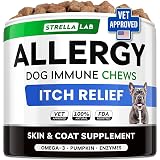
STRELLALAB Dog Allergy & Itching Relief - Skin&Coat Support Chews w/Omega 3 | Anti Itch, Immune Supplements - Treats for Dogs Health w/Fish Oil for Irritated & Dry Skin - Proven by Science, 60 Ct
$11.98 (as of October 23, 2026 03:23 GMT +00:00 - More infoProduct prices and availability are accurate as of the date/time indicated and are subject to change. Any price and availability information displayed on [relevant Amazon Site(s), as applicable] at the time of purchase will apply to the purchase of this product.)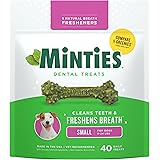
Minties Mint Dental Chews for Dogs, Small Dogs 5-25 lbs, 40 Count | Vet-recommended mint dental bone; scrubs teeth as dogs chew; fights plaque, tartar & bad breath; no soy/wheat/corn
$9.94 (as of October 23, 2026 03:13 GMT +00:00 - More infoProduct prices and availability are accurate as of the date/time indicated and are subject to change. Any price and availability information displayed on [relevant Amazon Site(s), as applicable] at the time of purchase will apply to the purchase of this product.)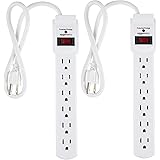
Amazon Basics Surge Protector Power Strip, 6-Outlet with 200J Protection, Circuit Breaker, LED Indicator, On/Off Switch, Wall-Mounting, 2ft Extension Cord, White, 2-Pack
$12.59 (as of October 23, 2026 03:23 GMT +00:00 - More infoProduct prices and availability are accurate as of the date/time indicated and are subject to change. Any price and availability information displayed on [relevant Amazon Site(s), as applicable] at the time of purchase will apply to the purchase of this product.)
Nutramax Cosequin Joint Supplement for Dogs, Chewable Tablets, 132ct | Glucosamine + Chondroitin for Dogs with MSM, Supports Healthy Joints, All Breeds & Sizes, All Ages
$34.91 (as of October 23, 2026 03:13 GMT +00:00 - More infoProduct prices and availability are accurate as of the date/time indicated and are subject to change. Any price and availability information displayed on [relevant Amazon Site(s), as applicable] at the time of purchase will apply to the purchase of this product.)













Post Comment