
The Resistance Bands That Top Trainers Swear By—And Why They’re Game-Changers for Every Workout
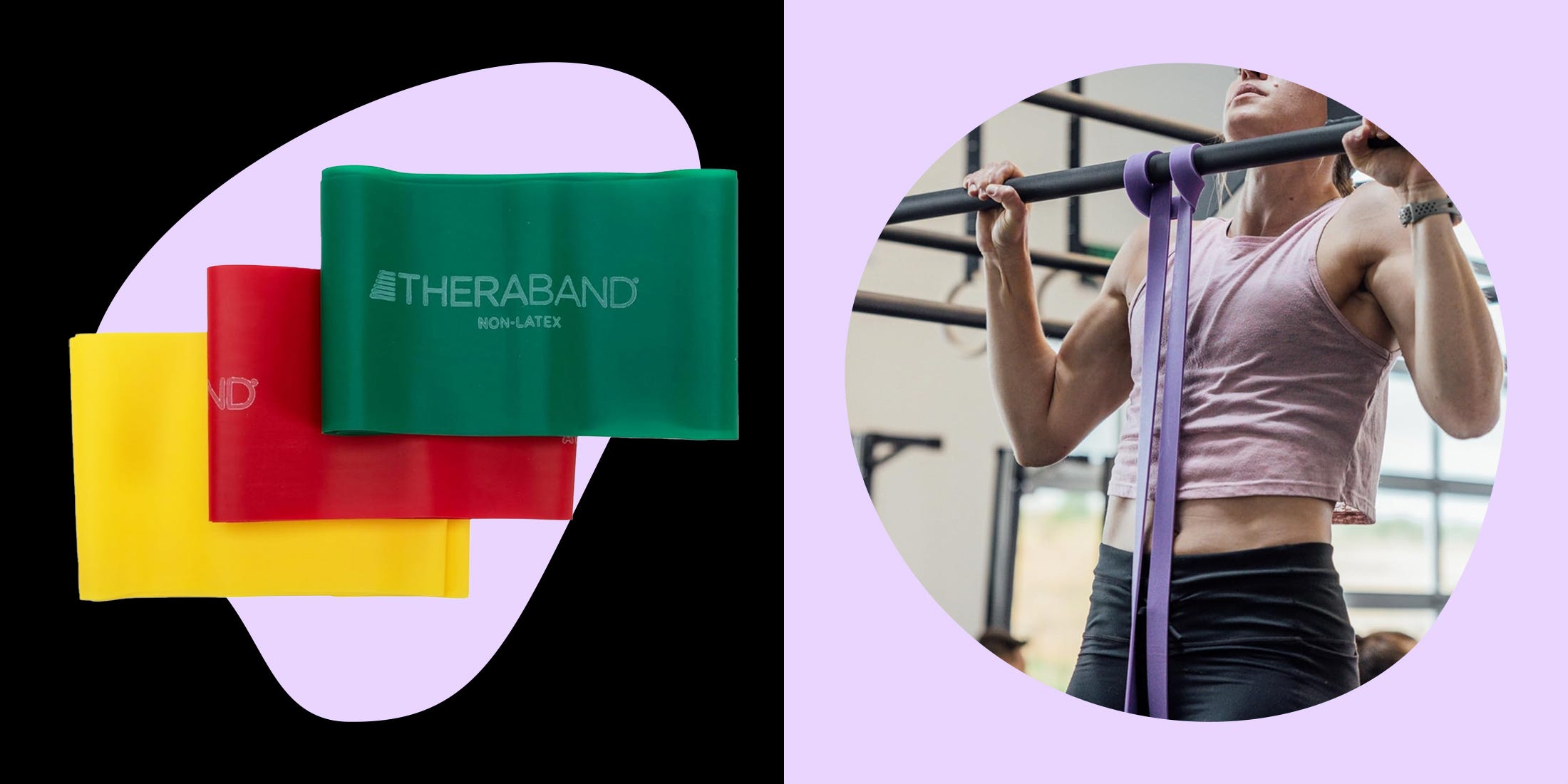
Ever wondered why resistance bands have more personality than your average gym equipment? It’s not just about pulling and stretching rubber—each band’s shape, thickness, and design play a sneaky role in how your muscles get that burn . From the teeny-tiny mini bands that make your glutes scream during lateral leg walks, to the heavyweight champs that add serious punch to pull-ups and squats, there’s a whole world of tension waiting to change your workout game. And let’s be real—nothing’s more satisfying than switching up your routine with elastic bands that don’t just fight gravity but manipulate it, giving your muscles a fresh challenge every single time. So before you toss every band in your cart, think about what your body really needs today—whether that’s a gentle nudge or a serious flex! Ready to get into the nitty-gritty of styles, tensions, and those nifty extras that make all the difference? LEARN MORE.

Style
The shape, thickness, size, and overall design of a resistance band determine how much tension it provides and what type of exercise it’s best for. Small loop bands (aka mini bands, such as our favorite pick from Fit Simplify) are good for lower body exercises like glute bridges and lateral leg walks because of the shape. Booty bands are similar to small loop bands, but typically made out of knit fabric to prevent rolling, slipping, and pinching the skin (ouch). Long loop bands are the thickest and strongest options, which are great for assisting or adding resistance to pull-ups, push-ups, squats, or kettlebell swings. Long (non-looped) bands, like our pick from Theraband, are ideal for mobility and rehabilitation work.
Tension Range
It’s a good idea to have an array of resistance options. Just because you may be strong does not mean you should opt for all “heavy” resistance bands (or vice versa). “Make sure you try exercises with a light band first to get the form right and then increase for greater challenge while maintaining good form and technique—something that should never be sacrificed,” says Susane Pata, NASM-CPT, a certified personal trainer with the National Academy of Sports Medicine..
For smaller muscle groups, like the rear deltoids, you may want to opt for a lighter version of resistance. Large muscle groups, like the legs, may require greater resistance to feel the work and offer the muscles enough challenge to work through, advises Pata.
Material
Rubber (hard) and elasticized fabric (soft) are typically the two types of resistance bands. Pata loves elastic (rubber) resistance bands for adding variety and effectiveness to workouts. “One of the things I love about incorporating it into training for clients (and for myself) is that it’s a great way to change the emphasis placed on muscles during certain exercises—by changing the direction of pull of the elastic resistance,” she says. That’s because the nature of elastic resistance is that it doesn’t rely on gravity.
Some might like to use softer elasticized resistance bands because these tend to have grips ensuring the band stays in place and distributes the resistance more evenly.
Extra Accessories
Since most resistance bands come with multiple bands, Pata recommends getting a mesh bag for storage (if the set you buy doesn’t come with one.) If you’re looking for a resistance band set with extra bells and whistles like handles and carabiners for an all-in-one full-body workout, check out our pick from Bodylastics.

Blink Outdoor 4 and Battery Doorbell 2K+ (newest model) — Two-year battery 1080p cameras and 2K battery doorbell. Sync Module Core included — 3 Cameras + Doorbell (Black)
$189.99 (as of October 13, 2026 03:21 GMT +00:00 - More infoProduct prices and availability are accurate as of the date/time indicated and are subject to change. Any price and availability information displayed on [relevant Amazon Site(s), as applicable] at the time of purchase will apply to the purchase of this product.)
Wonderful Halos Mandarins, Sweet, Seedless, Easy Peel Mandarin Oranges - Healthy Food, Fresh Fruit, 3lb Bag
(as of October 13, 2026 03:09 GMT +00:00 - More infoProduct prices and availability are accurate as of the date/time indicated and are subject to change. Any price and availability information displayed on [relevant Amazon Site(s), as applicable] at the time of purchase will apply to the purchase of this product.)
INABA Churu Cat Treats, Lickable, Squeezable Creamy Purée Cat Treat with Green Tea Extract & Taurine, 0.5 Ounces Each Tube, 50 Tubes, Tuna & Chicken Variety
$32.96 (as of October 13, 2026 03:11 GMT +00:00 - More infoProduct prices and availability are accurate as of the date/time indicated and are subject to change. Any price and availability information displayed on [relevant Amazon Site(s), as applicable] at the time of purchase will apply to the purchase of this product.)
Wireless Earbuds, Hi-Fi Deep Bass Ear Buds, 48H Playtime In-Ear Headphones | 2 Mics for Clear Calls, LED Display, IPX7 Waterproof, Touch Control, Lightweight Bluetooth Earphones for iPhone/Android/TV
$13.99 (as of October 13, 2026 03:32 GMT +00:00 - More infoProduct prices and availability are accurate as of the date/time indicated and are subject to change. Any price and availability information displayed on [relevant Amazon Site(s), as applicable] at the time of purchase will apply to the purchase of this product.)












Post Comment