
Unlocking the Silent Threat: How Measles Might Be Erasing Your Immune Memory and What You Need to Do Now!
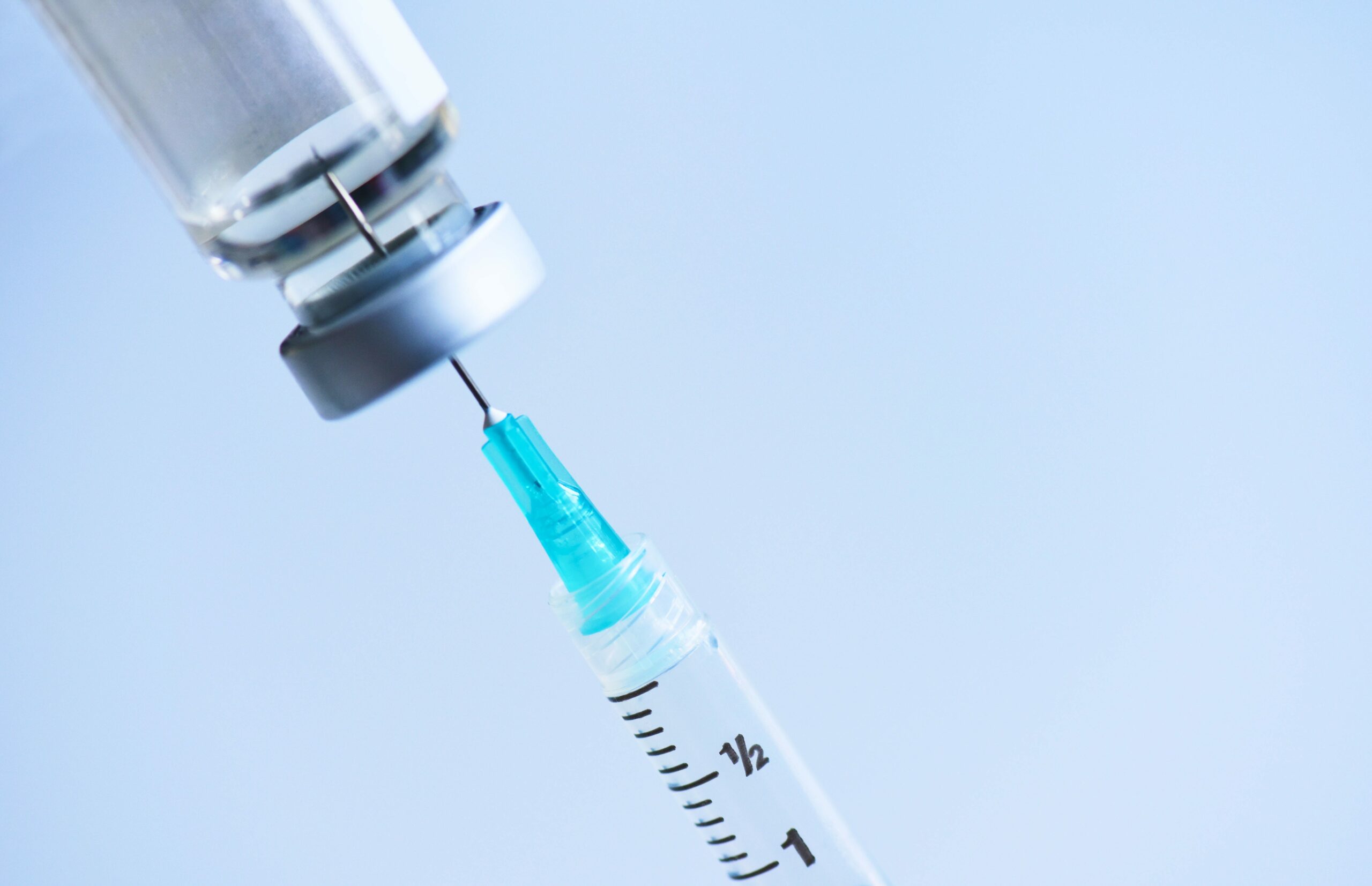
Measles—remember that old school nasty virus that was kicked out of the U.S. back in 2000? Well, guess what—it’s sneaking back, and not just like a minor inconvenience. We’re looking at a surge that’s got experts scratching their heads and raising alarms. It’s like an uninvited sparring partner showing up in the ring, catching many off guard—especially those who thought their childhood vaccines had them covered for good. You might be thinking, “Wasn’t measles a thing of the past?” Turns out, it’s very much a present-day contender. So, what does this spike mean for us? How hard does that jab really pack? Let’s break down the facts, the risks, and why this virus refuses to tap out quietly. Ready to get the lowdown before the bell rings? LEARN MORE.
 5 min read
While measles was considered eliminated in the U.S. in 2000, cases have surged over the past handful of years, with 2026 on track to be one of the worst yet in recent history. We’re just a few months into the year, yet the number of confirmed measles cases in the country so far is about half last year’s (also very high) total.
You’re probably aware that measles is a virus you don’t want to have, but it’s understandable to be fuzzy about the details. Thanks in large part to a very effective childhood vaccine, most adults don’t think too much about measles in their day-to-day life. But recent news reports and rising case numbers may still affect people who are vaccinated.
Here’s what infectious disease doctors want you to know about measles, what the vaccine protects against, and potential complications.
Meet the experts: Thomas Russo, MD, professor and chief of infectious disease at the University at Buffalo in New York; William Schaffner, MD, an infectious disease specialist and professor at the Vanderbilt University School of Medicine; Amesh A. Adalja, MD, a senior scholar at the Johns Hopkins Center for Health Security
What is measles?
Measles, aka rubeola, is a highly contagious viral infection. It causes a cough, runny nose, tiny spots inside the mouth, a rash, and often a high fever. Measles can also cause severe complications like pneumonia, immune amnesia, and encephalitis (or swelling of the brain).
The World Health Organization considers measles one of the most contagious diseases in the world. It’s spread through contact with respiratory droplets. The virus can remain active and contagious in the air or on surfaces for up to two hours, according to the WHO.
“Because we haven’t seen measles out here in large numbers for a while, [some assume] it is merely a trivial illness with a rash,” says William Schaffner, MD, an infectious disease specialist and professor at the Vanderbilt University School of Medicine. “That’s not the case. Before we had vaccines in the U.S., each year, 400 to 500 children died of measles and its complications.”
What does the latest data show?
It’s important to note that measles cases have appeared in the U.S. every year, even after the virus was considered eliminated. But cases in recent years have been unusually high. According to CDC data, there have been 1,136 confirmed measles cases in 2026 so far, with cases seen in 28 states. The CDC notes that the actual number is likely higher, since these 1,136 are only confirmed instances.
There have been 10 new measles outbreaks reported this year, and the majority (90%) of cases have been associated with these outbreaks. (A classic example of a non-outbreak-related case would be an international traveler coming to the U.S. who has measles, explains Amesh A. Adalja, MD, a senior scholar at the Johns Hopkins Center for Health Security.) Notably, an outbreak in South Carolina made both national and international headlines in the past month.
What does an increase in measles cases mean for people?
A lot depends on your vaccination status. An unvaccinated person living in the middle of an outbreak is more likely to get infected and ill with measles. They may also be more likely to suffer from complications related to the infection.
It’s a different story if you’re vaccinated. The measles vaccine is 97% effective at preventing infection when you’ve received both doses, per the CDC. “The measles vaccine is one of the best we have,” Schaffner says. “The vast majority of people who are fully vaccinated against measles will not have any issue if exposed to measles,” Adalja adds.
But 97% isn’t 100%, and that still leaves the door open to potential infection, even for those who have been vaccinated, points out Thomas Russo, MD, professor and chief of infectious disease at the University at Buffalo in New York. “However, the disease tends to be much milder if you’re vaccinated.”
In cases of serious outbreaks, like the one in South Carolina, schools may quarantine after exposure, says Adalja. The CDC also requires measles cases to be reported to public health departments for further investigation, which can divert resources from other issues, Adalja says.
Who is most at risk for measles?
People who are unvaccinated and under-vaccinated (meaning they only received one of the two doses) are the most at risk, Russo explains. That includes young children who are not yet eligible to receive the vaccine and those who are immunocompromised. Because the measles vaccine is a live, attenuated vaccine, not everyone can get it, he points out. “That’s why, as a community, we want to try to get those vaccination rates high,” Russo says.
What kind of complications can come with measles?
Measles can cause a complication called immune amnesia, which affects the body’s ability to respond to pathogens it’s been exposed to before, Adalja says. Research suggests that the measles virus can wipe out anywhere from 11% to 73% of the antibodies a person has built up to protect themselves against viral and bacterial strains. This means previous immunity to things like the flu, COVID-19, chickenpox, and more could suddenly be lost, raising the risk of getting sick in the future.
“It likely occurs to some degree in all individuals who are infected with measles,” Adalja explains. While it’s unclear how long immune amnesia lasts, data suggest it can linger for two to three years. (That said, Adalja says there is no routine recommendation to get your childhood vaccines again.)
Encephalitis is another serious complication of measles. It causes brain swelling that can be deadly. “Even if children recover, they can be left with disabilities,” Schaffner says.
The takeaway
If you’re fully vaccinated against measles, there’s generally no need to do anything differently. “If you’re vaccinated and exposed, it’s not recommended that you quarantine,” Russo explains. It’s different if you’re unvaccinated or under-vaccinated, though—in that case, call your healthcare provider about next steps.
If you’re not vaccinated against measles or you’re under-vaccinated, experts also stress the importance of getting vaccinated. “The number of cases that are being seen in the United States is a choice,” Adalja says. “The solution to measles has been in hand for decades. People are choosing to turn away from those solutions.”
Schaffner agrees. “Measles is a nasty virus,” he says. “It’s worth preventing. I wouldn’t even want uncomplicated measles to happen to any child.”
Korin Miller is a freelance writer specializing in general wellness, sexual health and relationships, and lifestyle trends, with work appearing in Men’s Health, Women’s Health, Self, Glamour, and more. She has a master’s degree from American University, lives by the beach, and hopes to own a teacup pig and taco truck one day.
Minties Mint Dental Chews for Dogs, Small Dogs 5-25 lbs, 40 Count | Vet-recommended mint dental bone; scrubs teeth as dogs chew; fights plaque, tartar & bad breath; no soy/wheat/corn
$9.94 (as of October 25, 2026 03:13 GMT +00:00 - More infoProduct prices and availability are accurate as of the date/time indicated and are subject to change. Any price and availability information displayed on [relevant Amazon Site(s), as applicable] at the time of purchase will apply to the purchase of this product.)
Apple Watch SE 3 GPS 40mm Smartwatch | Starlight Aluminum Case, Sand Sport Band - S/M. Fitness + Sleep + Cycle Tracking, Heart Rate, Vitals, Safety
$239.99 (as of October 25, 2026 03:34 GMT +00:00 - More infoProduct prices and availability are accurate as of the date/time indicated and are subject to change. Any price and availability information displayed on [relevant Amazon Site(s), as applicable] at the time of purchase will apply to the purchase of this product.)
Amazon Grocery, Broccoli Florets, 12 Oz, Frozen
(as of October 25, 2026 03:13 GMT +00:00 - More infoProduct prices and availability are accurate as of the date/time indicated and are subject to change. Any price and availability information displayed on [relevant Amazon Site(s), as applicable] at the time of purchase will apply to the purchase of this product.)
DaVinci Gourmet Classic Blue Raspberry, 25.4 Fluid Ounces (Pack of 1)
$5.99 (as of October 25, 2026 03:13 GMT +00:00 - More infoProduct prices and availability are accurate as of the date/time indicated and are subject to change. Any price and availability information displayed on [relevant Amazon Site(s), as applicable] at the time of purchase will apply to the purchase of this product.)












Post Comment