
The Shocking Truth About Silicones in Hair Care: Are They Destroying Your Gains or Giving You a Winning Edge?
Ever found yourself scrolling through beauty aisles, scratching your head over whether silicones are the secret to luscious locks or just another culprit in the ‘clean beauty’ drama? You’re not alone. The clean beauty craze has turned many ingredients into villains overnight, and silicones have often been caught in the crossfire. But what if I told you that the truth about silicones is much more — well, nuanced? Before you swear off every product that boldly declares ‘silicone-free,’ let’s dive into why these misunderstood compounds might just be the unsung heroes your hair has been begging for. Ready to get the deets straight from the experts and debunk the myths once and for all? Let’s get into it.
 8 min read
If you’re a health and beauty enthusiast, I can almost guarantee that you’ve encountered the confusing and nebulous world of ‘clean beauty,’ a subset of cosmetics that claim to be more sustainable, trustworthy and better for you because they don’t contain potentially harmful ingredients.
Thanks to this movement, the reputation of seemingly countless ingredients has taken a nose dive. And sometimes, rightfully so. Formaldehyde, for example, is a compound that can be released by certain hair relaxers and smoothing products, and may increase your risk of cancer, according to the American Cancer Society. But other ingredients, such as sulfates in shampoos, deserve a more nuanced conversation.
One such haircare ingredient people may have unfairly given a bad rap are silicones—a group of synthetic compounds often found in products such as conditioners, heat protectant sprays, hair oils, serums, anti-frizz treatments, hair masks, and even some shampoos, just to name a few. “Personally, I love silicones,” says Tonya Lane, a cosmetic chemist and founder of Curly Chemistry, a platform that helps women navigate caring for textured hair using science. “I think that they get such a bad reputation because people just don’t really understand them, or they don’t really know how to properly take care of their hair if they’re using a silicone-based product.”
Meet the experts: Tonya Lane is a cosmetic chemist and founder of Curly Chemistry, a platform that helps women navigate caring for textured hair using science. Jack Levy, MD, is a dermatologic surgeon at Weill Cornell Medicine in New York City. Valerie George is a cosmetic chemist and co-host of the “The Beauty Brains” podcast. Joshua Zeichner, MD, is the director of Cosmetic & Clinical Research in Dermatology at Mount Sinai Hospital.
And perhaps some beauty brands have capitalized on that lack of understanding: Many hair products proudly display the term ‘silicone-free’ on their packaging. And if you poke around on the websites of popular beauty retailers such as Ulta and Sephora, you’ll find entire pages dedicated to “silicone-free” hair care products. So…what gives? Ahead, dermatologists and cosmetic chemists break down everything you need to know about silicones—including the benefits they can provide the hair, who should consider using them, and whether they can potentially cause any issues that actually warrant concern.
What are silicones?
Scientifically speaking, silicones are a broad class of molecules containing silicon and oxygen atoms that come from sources such as sand or quartz, explains Valerie George, a cosmetic chemist and co-host of the “The Beauty Brains” podcast. Many silicones act as emollients, Lane adds, meaning they help soften and smooth hair or skin.
However, not all silicones are the same. In cosmetics, George likes to break them down into three categories: linear, cyclic, and functional.
- Linear silicones are substances composed of straight chains of silicon and oxygen atoms. How long or short that chain is determines how light or unctuous the silicone looks and feels, George explains. A common example in product formulations is dimethicone, she adds, and it’s often used to help products spread better or to provide longer-lasting protection and shine to the hair, depending on how heavy it is.
- Cyclical silicones, meanwhile, are typically very light-weight substances composed of small ring-shaped molecules. Common examples to look for on ingredient labels include cyclopentasiloxane and cyclohexasiloxane, and they’re also used to help products spread more easily. Cyclic silicones are considered volatile, George explains, which means they don’t have as much staying power compared to linear ones. “They help the product glide over the skin or hair,” and then they quickly evaporate into the atmosphere, she says.
- Functional silicones have additional chemical molecules attached to them to give them a specific cosmetic purpose. A common example is amodimethicone—a compound that has nitrogen molecules attached to it, and sticks to the hair fiber better than many other silicones, George says. And while silicones naturally repel water, they’re sometimes chemically altered in haircare formulations to be water-soluble, which allows them to wash away more easily and lessen the likelihood of buildup, George explains.
What benefits do they provide?
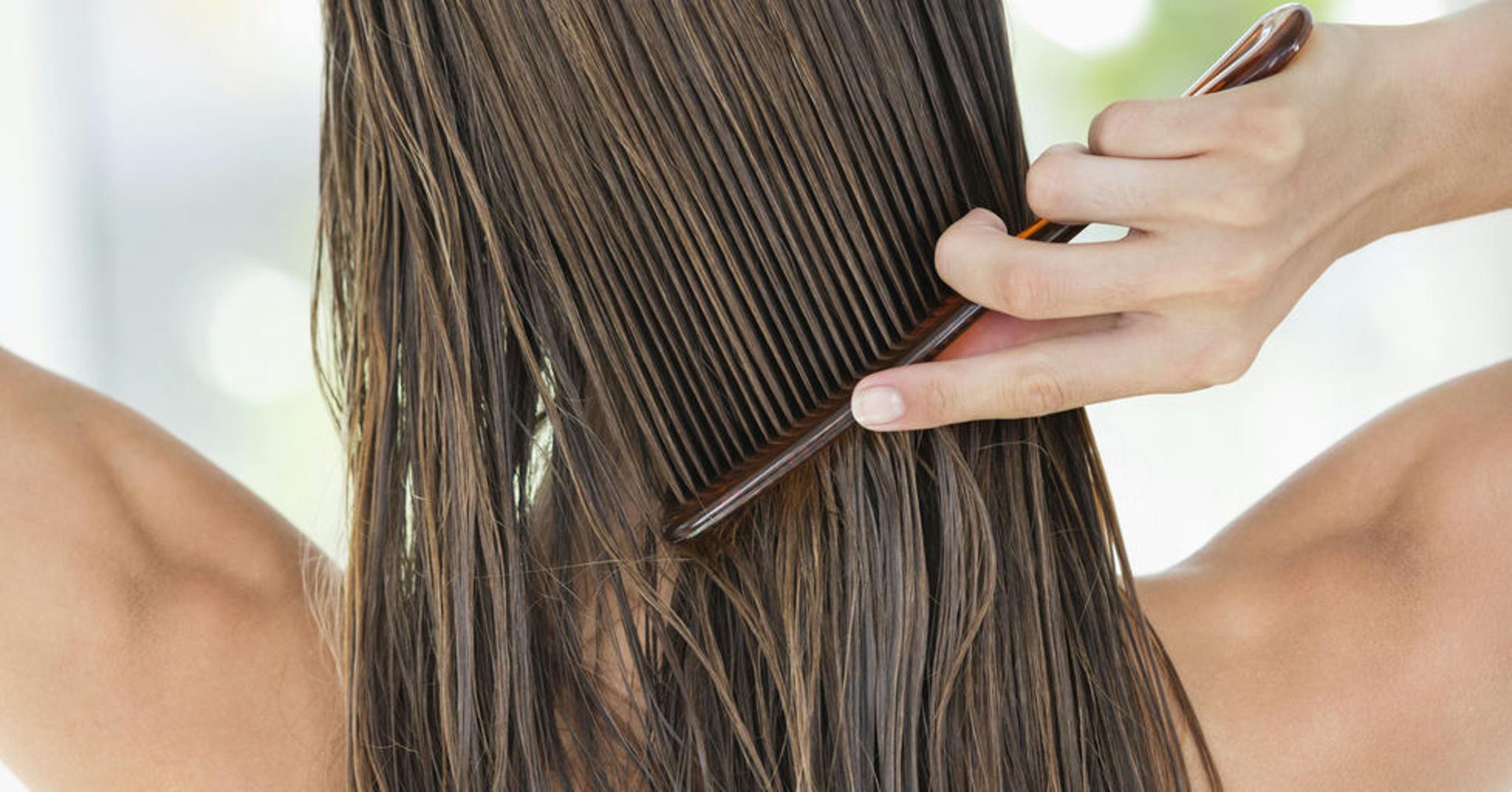
Silicones work to create a thin film around the hair shaft, Lane explains. This film helps hair retain its natural moisture, she says, and reduces friction between individual hair strands to make hair look less frizzy. They also add extra slip to the hair, which helps strands detangle more easily, Lane says. In turn, the ingredient can help prevent hair breakage and support healthy hair growth. And that film silicones create also helps smooth down the hair shaft leading to a smoother texture and shinier appearance. “It’s a power-packed ingredient,” Lane says.
But that’s not all. Whenever Lane is looking for a heat protectant spray to use on her own hair, she always checks the ingredients labels for silicones, she says. That film serves as a shield against high temperatures used during heat styling, helping the hair retain moisture and preventing damage to the cuticle, the hair’s protective outer layer. So if you like to blow dry, flat iron, or curl your hair, for instance, consider incorporating a silicone-based heat protectant into your routine.
Folks who dye their hair can benefit from silicones, too. Since amodimethicone sticks to the hair fiber so well and creates such a durable film, it’s a super popular ingredient in “color-safe” shampoos, conditioners, and other hair products, George says. That film helps prevent dye from washing away whenever you hop in the shower. They can even prevent color fading due to heat styling and exposure to the sun’s ultraviolet rays, research suggests.
Damaged hair from styling habits can also reap the benefits of this type of ingredient as well, Lane explains. And that’s because ingredients like amodimethicone are considered “smart” silicones, she says. “It actually targets the damaged sites on the hair shaft” by selectively binding to the areas that have the most negative charge, Lane explains. “I think it’s such a novel ingredient,” she says.
Since silicones are ubiquitous in haircare, you’re spoiled for choice when it comes time to pick a product off the shelf. Here are a few that experts hang their hat on:
Silicone-Based Products Experts Love


If you struggle with fairy knots, or dry, tangled hair that’s prone to breakage, this leave-in product is for you. It also contains dimethicone to provide your hair with the extra slip it needs to prevent damage and make detangling easier.
Are silicones bad for your hair?
After learning how well certain silicones can stick to the hair to create a protective coating, you might be wondering if the ingredient can lead to problematic buildup or residue in the hair or scalp. After all, that very concern helps explain why some brands sell silicone-free products in the first place. But Lane and George agree that it’s unfair to assume all silicones lead to buildup since some are formulated to wash out of the hair easily. Plus, the stickiness of certain silicones is precisely what allows them to provide many of the aforementioned benefits for the hair, George explains.
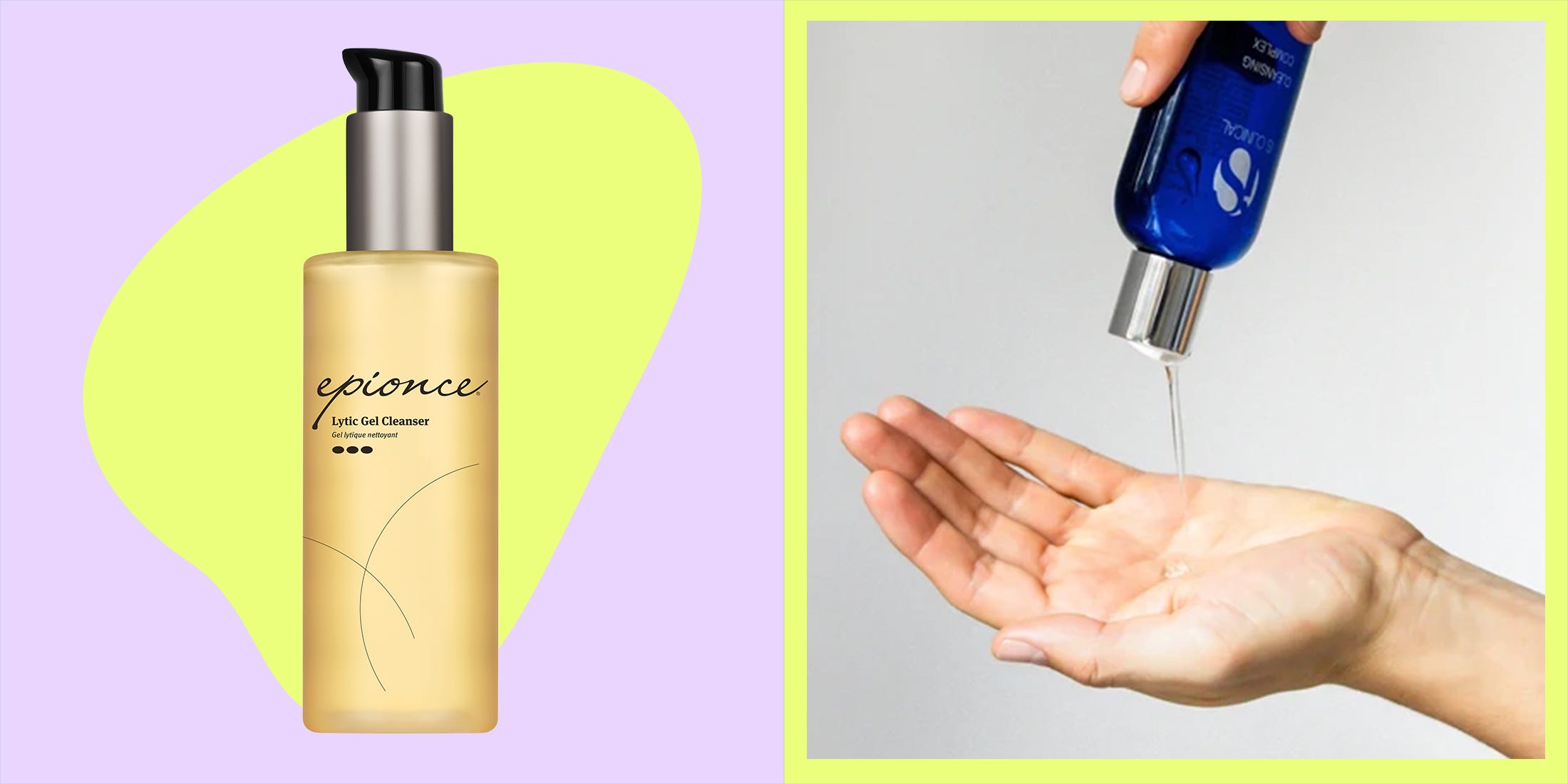
So when it comes down to it, silicones are not inherently problematic, you just need to know how to properly care for your tresses when you’re using them, experts say. Translation: You gotta wash your hair well. Removing silicones, especially a heavy version of dimethicone, for instance, often requires stronger cleansing surfactants such as sodium lauryl sulfate. Using gentler, sulfate-free shampoos, or simply not washing your hair enough regardless of the kind you use can potentially lead to buildup—especially if you use silicone-based products on a regular basis. Conversely, using a clarifying shampoo (which has stronger cleansing power compared to run-of-the-mill versions) every once in a while can help prevent buildup as well, Lane says. “It helps reset your hair.”
However, when buildup of silicones and other debris is allowed to accumulate on the scalp, it’s possible to experience issues like irritation, especially for those who are already sensitive. This can also potentially exacerbate pre-existing scalp conditions such as dandruff or seborrheic dermatitis, says Jack Levy, MD, a dermatologic surgeon at Weill Cornell Medicine in New York City.
If silicones aren’t properly washed away (especially the kinds that are water-repelling) they can contribute to the trapping of oil, dirt, and dead skin cells on the scalp. This can lead to symptoms such as itchiness, flaking, and worsened dandruff, he says. Allowing silicones and other debris to build up can also lead to clogged hair follicles, says Joshua Zeichner, MD, the director of Cosmetic & Clinical Research in Dermatology at Mount Sinai Hospital.
Many makeup products also contain silicones because they help the cosmetics stick to your face, George explains. So you can think of it this way: Oftentimes, makeup doesn’t inherently worsen your skin—but issues can arise when people don’t wash it off properly. It’s the same thing with silicones. “It’s not an ingredient issue,” Lane adds, “it’s a [cleansing] routine issue.”
Here’s a pro tip to help sidestep these potential pitfalls: Unless it’s a shampoo, scalp serum or another hair product specifically designed for use on the scalp, pretty much every silicone-containing product is meant to be put on your hair shaft, not the root or scalp.
The other main concern associated with silicone-based products is that they can weigh down the hair and make it appear greasy. But not all silicones are heavy and oily, so the issue isn’t universal. Generally speaking, however, hair that’s naturally coarse, thick and textured is more likely to benefit from a wider range of silicones, including heavy ones, experts say. Thin, straight and fine hair, on the other hand, may not need them. Instead, they may benefit from more lightweight and evaporative silicones.
To get a sense of how light or unctuous a silicone product may be when you’re shopping, examine the ingredients label, Lane says. The higher on the list the silicone is, the higher the concentration of the ingredient in the product and the higher the chances the product could be thick, heavy and more viscous, she adds. You can also examine the texture of the product itself: The creamier and buttery-er it is, the heavier it probably is, Lane says. But oftentimes, hair products indicate on the label the hair type it’s intended for, George adds, so bear that in mind as well.
What if I want to avoid silicones?
At the end of the day, haircare is about looking and feeling your best. If that means avoiding silicones, there are some alternatives you can choose from, experts say. If you’re looking for extra slip and moisture retention, argan and jojoba oil are good options, Dr. Levy says. But keep in mind that they do not provide the same heat protection that silicones do, Lane says.
You can also check ingredients labels for plant-based alternatives such as diheptyl succinate, a lightweight emollient derived from castor oil, as well as capryloyl glycerin/sebacic acid copolymer, a natural polymer derived from coconut and castor oils, Lane says. Plenty of brands try to stand out from the pack by offering high-performing, silicone-free formulas. Here are a few that Women’s Health editors love:
Silicone-Free Products To Consider
Best Conditioner

Native Moisturizing Conditioner Sweet Peach and Nectar
Now 10% Off
Native positions itself as brand that sells products “thoughtfully made with clean ingredients.” And that means the exclusion of ingredients such as sulfates and silicones. Despite the lack of those additives, the conditioner promises to hydrate, nourish and replenish the hair using plant-based oil conditioners.


If you struggle with frizzy, dull-looking hair but prefer to avoid silicones, consider this frizz vanishing oil. It works to add extra shine to the hair and block humidity using amaranth seed extract. Plus, it’s compatible with all hair types.
According to Lane and George, silicones aren’t the haircare villains some have painted them out to be. When used correctly, these powerful ingredients can smooth, protect and upgrade your tresses. So take this guide as your green-light to give them a try—you may be well on your way to your best hair yet.
Katie Mogg is the beauty editorial assistant at Women’s Health. Since starting college at Northeastern University in 2020, her bylines have appeared in The New York Times, The Wall Street Journal, NBC News and The Boston Globe. She strives to help readers lead happier and healthier lives through science-backed stories that explain how to care for hair, skin and nails. When she’s not working, Katie enjoys live music, strolling through Central Park, planning her next beach getaway, and sharing hotpot with friends.
Brian Underwood is beauty director at Women’s Health, where he oversees content strategy for the brand across all platforms, including digital, print, and social. Underwood previously served as beauty and wellness director at Oprah Daily and O, The Oprah Magazine. During his tenure leading beauty content for the Oprah brand at Hearst, stories Underwood commissioned were awarded the Skin Cancer Foundation Media Award and a Fragrance Award for Editorial Excellence (his second). He was the launch Beauty Director of Dr. Oz THE GOOD LIFE, and has held additional editorial positions at Fitness, Organic Style, Good Housekeeping, Life & Style Weekly, and Woman’s Day and has written for Self, Shape, Seventeen, Redbook, Cosmopolitan, and many more. Underwood previously served on the Skin Cancer Foundation’s gala committee and as partnerships director of the Trans Beauty Clinic, a New York-based charitable organization that provided beauty services and workshops to the city’s trans community.
Bloom Nutrition Zero Sugar Energy Drink, Apple Crisp, 12oz 12pk | 180mg natural caffeine with prebiotics, green tea extract & lychee for energy, focus and feel-good refreshment.
$24.99 (as of September 26, 2026 03:05 GMT +00:00 - More infoProduct prices and availability are accurate as of the date/time indicated and are subject to change. Any price and availability information displayed on [relevant Amazon Site(s), as applicable] at the time of purchase will apply to the purchase of this product.)
Self Cleaning Litter Box, Self Cleaning Cat Litter Box, Open-Top Design | No app or Wi-Fi needed—plug in this self cleaning cat litter box, press the power button, and spend less time scooping
$99.99 (as of September 26, 2026 03:11 GMT +00:00 - More infoProduct prices and availability are accurate as of the date/time indicated and are subject to change. Any price and availability information displayed on [relevant Amazon Site(s), as applicable] at the time of purchase will apply to the purchase of this product.)
Blue Buffalo Life Protection Formula Chicken Adult Dry Dog Food, 5 lb | Real Chicken #1 Ingredient, Supports Immunity with Antioxidant-Rich LifeSource Bits, Promotes Healthy Muscle Development
$14.97 (as of September 26, 2026 03:05 GMT +00:00 - More infoProduct prices and availability are accurate as of the date/time indicated and are subject to change. Any price and availability information displayed on [relevant Amazon Site(s), as applicable] at the time of purchase will apply to the purchase of this product.)
Amazon Kindle Paperwhite 16GB (newest model) – 20% faster, with new 7" glare-free display and weeks of battery life – Black
$199.99 (as of September 25, 2026 03:30 GMT +00:00 - More infoProduct prices and availability are accurate as of the date/time indicated and are subject to change. Any price and availability information displayed on [relevant Amazon Site(s), as applicable] at the time of purchase will apply to the purchase of this product.)












Post Comment