
Why Being Plus-Size and Strong Doesn’t Mean Starting From Zero—Here’s What Most People Don’t Understand About Fitness Experience
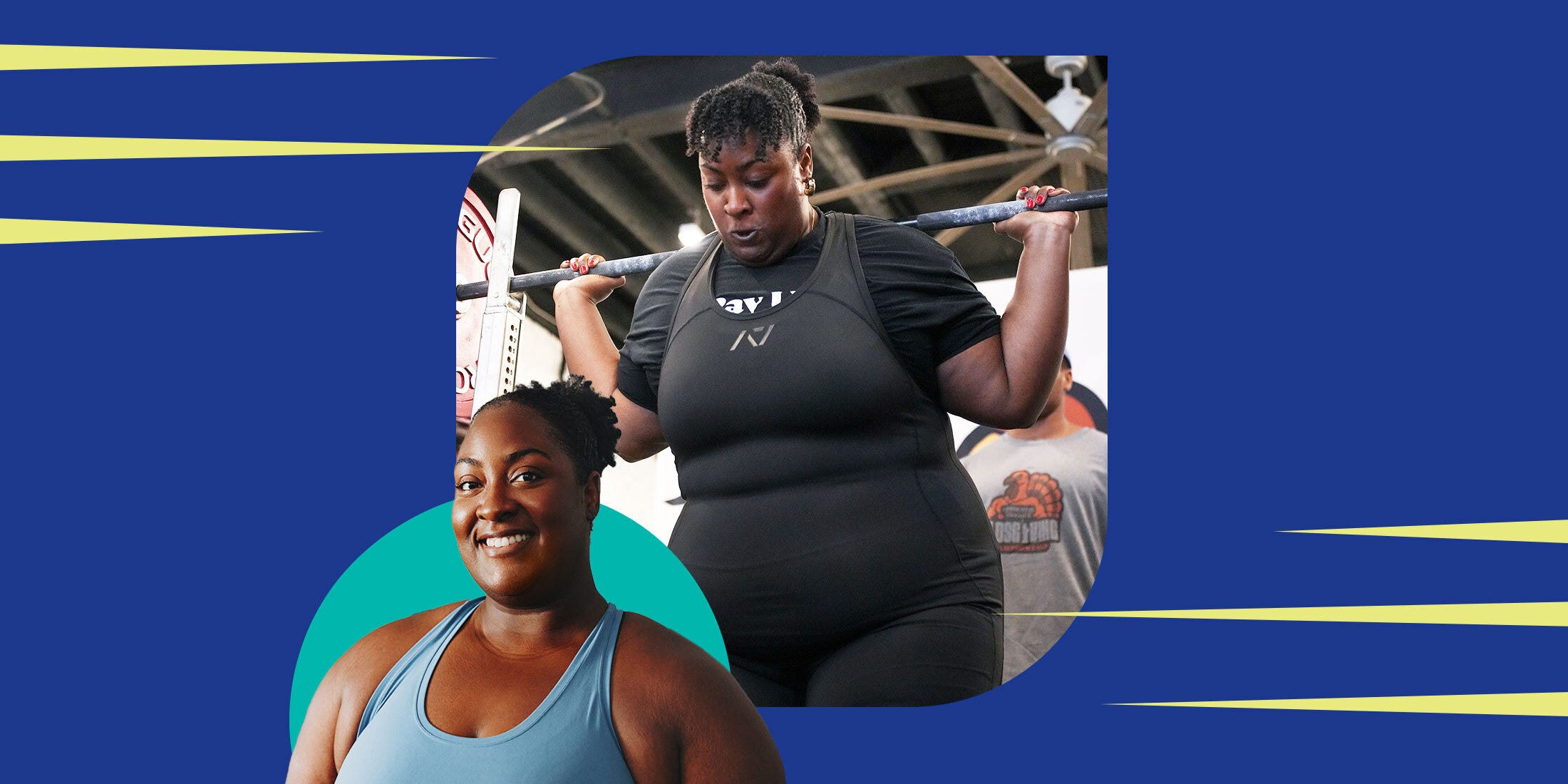
Ever catch yourself thinking that fitness was just a means to shrink down—to “fix” your body like it’s some puzzle missing pieces? Yeah, me too. For years, I wore that mindset like a heavy weight, dreading every workout because it felt less like a celebration of movement and more like a punishment aimed at the ‘problem’—me. When I first hit the gym at 21, it was all about hustling every day, trying to cram in every exercise like I was running an endless race against time. Spoiler alert: pushing so hard only landed me in a loop of burnout and sickness. But then something shifted—a discovery of what a balanced workout truly means, and an awakening to the powerful changes that don’t show up on a scale but in confidence, health, and self-love. This isn’t the typical “before and after” story. It’s about breaking down those fitness myths and reclaiming what it means to be strong, capable, and unapologetically you—no matter your size. Ready to rethink what your fitness journey can actually look like? Let’s dive in. LEARN MORE
 10 min read
As someone who has lived in a larger body for the majority of my life, I’ve spent many years associating fitness with the need to shrink down. This took away any joy I might have found in movement, making it feel more like a chore. I felt like I was constantly working on fixing a problem, the problem being … me.
When I was 21, I decided to start going to the gym regularly. It was time to finally put effort into being more active and fulfill what felt like a lifelong goal at this point: to lose weight.
Once at the gym, I fell into the trap of trying to do every exercise, everyday. I’d spend hours working out, trying to “make up for lost time.” I’d push myself to the point of vomiting and after about a week of workouts that looked like this, my immune system would freak out and I’d get sick. This would stall my consistency and I’d be returning to the gym to “start over” every two weeks or so. It was a vicious cycle—one that I knew wouldn’t be sustainable.
Then, I came across various YouTube accounts of women in fitness with all sorts of body types. They would speak about the importance of resting and following a program.
I started to give real thought to what a balanced workout approach would look like.
Would I be more consistent if I push myself reasonably? Do I really need to go this hard to lose weight? Do I even really want my goal to be weight loss anymore? What if I just want to feel better in my body?
I started to rethink everything. If I was going to follow a more structured program, I needed to consider exactly what I wanted out of it. I decided on a program that laid out workouts to follow three days a week. This felt like a step backwards, since I was going from working out five days a week to three, but I wanted to give it a real opportunity. I wanted to trust that three days of structured plans could be beneficial. Sure enough, three days of working out gave my body the amount of time needed to rest and recover. I felt stronger, I wasn’t getting sick, and I immediately started to feel that this was the right decision. After some time, I felt that I could add in another day. Not because I felt I wasn’t doing enough, but because I was excited to try more new things!
I started trying to follow a program where I performed the same exercises week to week on certain days and slowly progressed the weights and reps. Within a few months so much had changed. My body changed visually, but I truly couldn’t have cared less about that because there were bigger things happening—I felt so much more confident in my skin! I would walk into the gym with my head held high. Whether I was trying a new movement or doing more of the same, I felt like I belonged and could take up space—and that feeling is incredible.
But, more than my confidence changed. My knees, which used to be painful during squats, no longer hurt. In fact, all my joint aches were a thing of the past. Even my sleep habits improved. I also felt like I understood how to move my body more, making me less afraid of scenarios outside of the gym that required movement. I even planned a group hike with my friends! Prior, I would’ve never been comfortable enough in my body to trust that I could voluntarily do any kind of cardio. Trust in my body, self confidence, joint health, better quality of sleep, improved cognitive functions—why was nobody talking about this? I felt like I had been tricked into believing fitness only mattered if it resulted in a lower body weight or bigger muscles.
Who was gonna tell people that a fitness journey can still be successful even if the changes happen inside? I was.
I decided to become a certified personal trainer in March of 2020 (yes, that 2020). Before committing, I spent a lot of time going back and forth deciding whether or not my body looked the way a trainer’s body “should” look. One day while scrolling on Instagram, I came across Morit Summers—a woman in a body that looked like mine who was working out in a gym that, it turned out, she owned, called FORM Fitness Brooklyn.
It made everything seem possible. There were people in larger bodies successfully working in this field. Why? Because body diversity is a real thing. It’s not a crazy thought that some may feel more comfortable working with someone whose body looks like theirs—a person who understands what it feels like to be underestimated, misunderstood, marginalized all because of their size. I wanted to help people, especially those that looked like me, feel accepted in the fitness space. After I got certified, I built my social media platform on the idea that no matter your goals and the size of your body, fitness should be accessible to all—and no goal is too small.
I am so proud and grateful to report that I have a very successful personal training business. In addition to my personal training certification, I’m a Pain Free Performance Specialist and as a pre- and post-natal coach. I’m also now a part-owner of FORM Fitness Brooklyn—the very gym that made me believe I could become a fitness professional.
With all the highs, I have still felt the weight of other people’s opinions. I recently had a video go viral and people had a lot to say about the fact that I call myself a fitness professional. The negative comments don’t stop me, but I know they are there.
The most common misconception I hear? That—despite my credentials and experience—I’m at the beginning of my fitness journey.
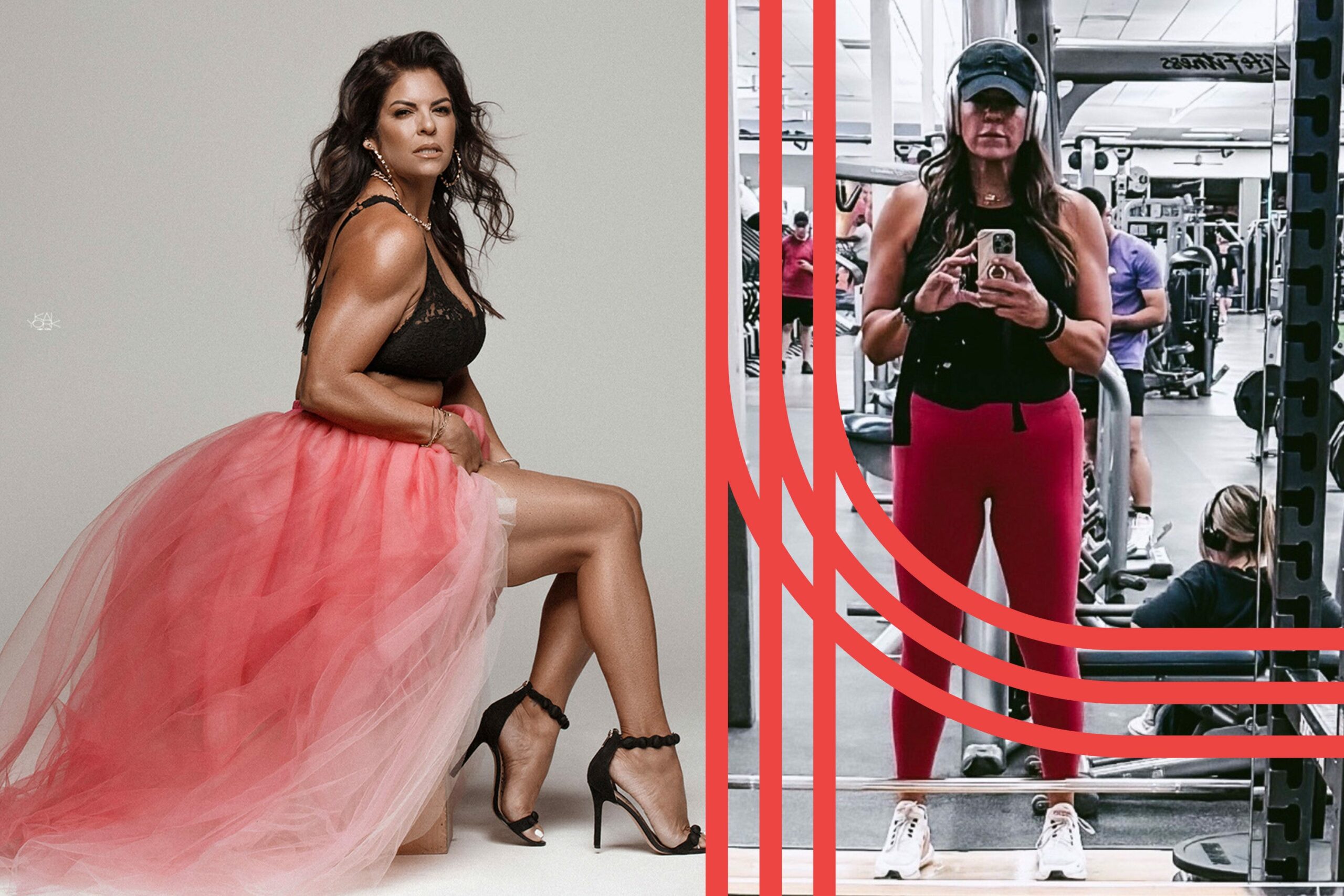
A “before” photo, so to speak.
That viral video received over 1.7 million views and over 4,000 comments. In the video I’m speaking about the fact that even though I’ve been strength training and training clients for several years, many people immediately assume I’m a beginner simply because I live in a larger body.
I get so many comments asking, “If you’ve been working out for five years, why hasn’t your body changed?” I find this question especially funny because I didn’t provide any before or after picture in this video. So, how do you know whether or not my body has changed? (To be fair though, you won’t find before and after pictures anywhere on my profile.) Again I remind you: big things can be changing inside even if the outside doesn’t look significantly different. My goals haven’t been physique-based since those first few months of going to the gym and making myself sick.
My body has changed so much though. Some may expect that because I am in the gym regularly, I would naturally lose weight. The truth is I have lost weight, gained weight, and lost it again. Bodies change and fluctuate during our entire lives. I pay attention to drastic changes and keep up with my labs and doctor’s visits to ensure that I am setting myself up to live a long, happy life.
Right before I started trying to be more active, my doctor mentioned that my A1c was starting to rise towards diabetic levels. Now, those numbers are within a normal range. My joints don’t randomly ache anymore. The progress I’ve made within movement has shown up in the form of many major PRs, competition medals, winning first place in my weight class at every meet I’ve competed in, and traveling abroad to hilly places and getting around without fear that I won’t be able to keep up.
Another sentiment that gets repeated: people shouldn’t want to train with me because I don’t have the body they want.
My response to that? That’s okay! The term body diversity encourages us to accept that there are natural variations in people’s bodies. Just like someone in my body exists, there are plenty of personal trainers that exist in the body you are looking for.
My ideal client doesn’t come to me because they like what my body looks like. Most of the time, they don’t even come to me because they want their body to look like someone else’s. The size of my body tells you nothing about my education, experience, and (this one might shock you) overall health.
The clients I have the privilege of working with have come to me with goals that many in mainstream fitness don’t even realize are important enough to acknowledge as a goal. For example, I’ve had a client whose main goal was to be able to put her socks on while standing. I’ve had another client come my way with the goal of feeling less winded when they need to run through the airport to make their flight. These goals may seem obscure but at the end of the day, *your* goal (no matter how big or small) is what will ensure you show up consistently.
In addition, both of those goals set a person up to age in a way that keeps them mobile for as long as possible. The person working toward the sock goal is focusing on balance, stability, and mobility. The person with the airport goal is working towards improved cardiovascular health and agility. Big accomplishments can happen in their journeys without ever needing to step on the scale or measure around their waist. The cherry on top: the fact that they both make it to the gym more than once a week, progressively getting stronger. Their consistent presence in the gym will pay off even beyond their initial intentions.
So no, people shouldn’t want to train with me because I have the body they do or don’t want. People should train with me because I’m educated, I respect them, and their goals will always be important to me.
On my video, there were also comments saying I wasn’t fit because “strength isn’t the same as fitness.”
The definition of fitness is “the state of being physically healthy, strong, and capable of performing daily tasks, sports, or demanding activities without excessive fatigue.” There are five components: muscular strength, yes, but also cardiovascular endurance, muscular endurance, flexibility, and body composition. As someone who trains in a sports-specific way for powerlifting, my current focus is absolutely on building muscular strength and endurance. However, all of these components must be worked on in order to be successful in powerlifting. The truth, though, is that no one is going to be perfect at all of these things because no one is perfect at everything.
I have spent a lot of time following programs that help me practice all these things. The sentence “mass moves mass” (a physics principle that confirms that a heavier body can move heavier objects) is fully accurate. Occasionally, the sentiment gets used in the fitness industry in a way that’s meant to belittle the accomplishments of a larger lifter because the size of their body makes it “easier” for them to lift the weight. However, I am also in the gym four to five days a week repeating movements and challenging my body in ways that can only be accomplished because of my consistency—not my weight. There is so much room for growth and I’m excited to see how much better I get at all five components of fitness.
Despite the comments, I’m proud of the strength I’ve built—and have zero regrets on prioritizing it over losing weight.
Strength training is about so much more than picking up heavy weights for a few reps and then going home. The benefits include improving long-term brain health, increased bone strength that lowers osteoporosis risk, reduced arthritic pain, and aid in lowering blood pressure and cholesterol levels. I hope after reading that sentence, you take a moment to consider the fact that these things affect people in bodies of all sizes. Strength training is for everyone, in every body!
Maintaining healthy habits, like strength training, helps everyone. It’s helpful in the present and is a crucial part of preparing the body to age as gracefully and strong as possible. Being strong and understanding how to move your body now is what will give you the ability to pick yourself up off the ground when you’re older. Or better yet, avoid the fall completely! In addition, I’ve had the pleasure of working with many women in perimenopause and while in menopause itself. As your body is experiencing changes that may be very new to you, it’s so helpful to have a habit that helps improve your mood, helps you still feel in control of your body, and helps regulate your hormones. Strength training is not the only branch under the fitness umbrella, but it’s a very important one!
In order to compete and in order to stay physically healthy and strong, I’ve learned to approach lifting with much respect. I acknowledge the fact that being able to lift heavy weights safely isn’t a given just because of my size. I must show up for every workout, properly fueled, rested, and focused for real progress to be made. This same philosophy is what I instill in my clients as well. There is a way to pay attention to how we prepare our bodies for movement (and life) without feeling the pressure to track every crumb we put into our mouths.
The beauty of going on a fitness journey for yourself, is that you realize you don’t actually need to answer to anyone. You get to pick and choose from the ever-changing, filled-to-the-brim list of health and wellness tips and tricks. You get to decide what will help you be most consistent without it affecting your mental health and physical health negatively. You are the boss.
You get to decide who you choose to follow on social media as well. I hope you choose the ones that have similar goals to you. There’s absolutely nothing wrong with wanting to change your body, as long as you remember you won’t get there by hating your body. And, as long as you remember that changing your body won’t make strangers have less to say about your body. You’re the one who has to live in this body, so I hope you show it love, move it regularly, and feed it the things it likes. People will always make assumptions based on what they see, but being grounded in who you are is what makes you strong.

Topical Flea and Tick for Cats & Kittens Over 1.5 lbs, Waterproof, Monthly At-Home Cat Care for Cats 8 Weeks or Older, 6-Dose Supply
$27.99 (as of October 15, 2026 03:21 GMT +00:00 - More infoProduct prices and availability are accurate as of the date/time indicated and are subject to change. Any price and availability information displayed on [relevant Amazon Site(s), as applicable] at the time of purchase will apply to the purchase of this product.)
SINROBO Bitter Apple Spray for Dogs, No Chew Spray for Dogs to Stop Chewing, Effective Indoor/Outdoor Deterrent Training Corrector for Anti-Scratch, Anti Marking, Furniture Protection (1 Pcs)
$18.99 (as of October 15, 2026 03:21 GMT +00:00 - More infoProduct prices and availability are accurate as of the date/time indicated and are subject to change. Any price and availability information displayed on [relevant Amazon Site(s), as applicable] at the time of purchase will apply to the purchase of this product.)
Pur Luv Dog Treats, Chicken Jerky Dog Treat with Real Chicken Breast, 16 oz | High protein and low fat, Limited ingredient recipe, No artificial flavors or preservatives, Satisfies instinct to chew
$14.09 (as of October 15, 2026 03:11 GMT +00:00 - More infoProduct prices and availability are accurate as of the date/time indicated and are subject to change. Any price and availability information displayed on [relevant Amazon Site(s), as applicable] at the time of purchase will apply to the purchase of this product.)
Blueberries, 1 Pint
(as of October 15, 2026 03:09 GMT +00:00 - More infoProduct prices and availability are accurate as of the date/time indicated and are subject to change. Any price and availability information displayed on [relevant Amazon Site(s), as applicable] at the time of purchase will apply to the purchase of this product.)









Post Comment