
Starting GLP-1? Here’s What Doctors Aren’t Telling You About the Shocking Benefits and Hidden Side Effects!
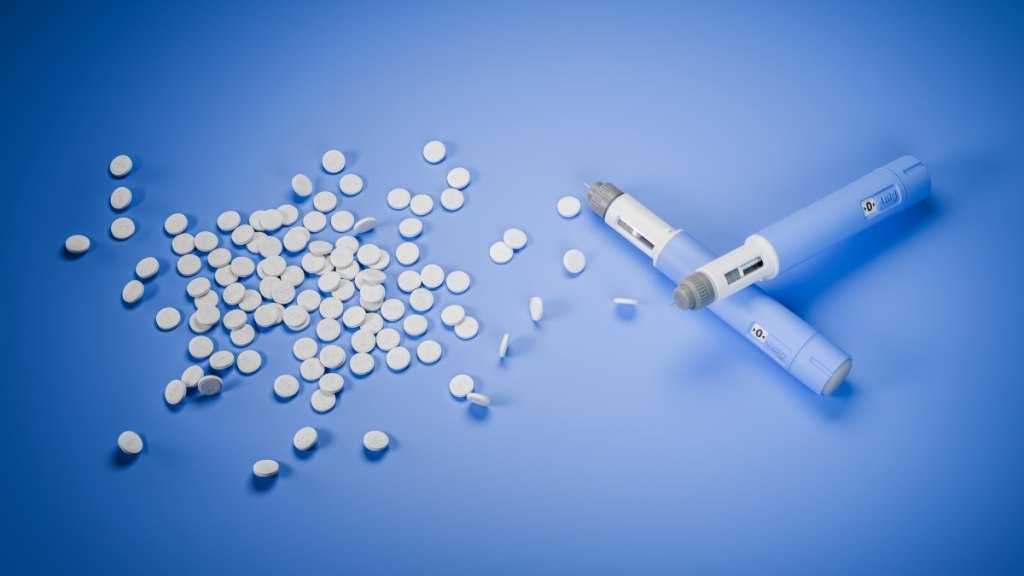
You’ve probably caught wind of GLP-1 meds like Ozempic, Wegovy, and the newcomer Zepbound popping up everywhere—from magazine covers to social feeds. But did you know these little injectable powerhouses weren’t just made for type 2 diabetes? Yep, they mimic a natural hormone that helps control appetite and blood sugar, and now science is uncovering a whole laundry list of surprising health perks. It’s like finding out your favorite playlist has secret tracks you never knew existed. So, whether you’re curious about weight management, heart health, or even memory support as you age, buckle up—because GLP-1 drugs might just be the health game-changer you didn’t see coming. Ready to dive deeper into the benefits and those pesky side effects doctors are chatting about? LEARN MORE

By now you’ve heard plenty of buzz about GLP-1 medications like Ozempic, Wegovy and Zepbound. Originally developed for type 2 diabetes, these injectable drugs mimic a natural hormone called glucagon-like peptide-1 (GLP1-1) that regulates appetite and blood sugar. Now researchers are studying them for a surprising range of health conditions—and the findings go well beyond managing type 2 diabetes and obesity. Here’s what doctors want you to know about the long-term GLP-1 benefits and the side effects.
GLP-1 benefits for women over 50
The most well-known use of GLP-1 receptor agonist drugs (aside from their original intended use for blood sugar control) is weight management. But emerging research suggests the medications offer impressive health benefits aside from lowering blood sugar levels and supporting weight loss.
It protects heart health
The American Heart Association and American Stroke Association now recommend that healthcare professionals consider GLP-1 drugs to reduce stroke risk for certain patients. A study cited in those guidelines found a 20 percent reduction in the risk of heart attack and stroke for people taking a GLP-1, though experts agree that more research is still needed.
It may help manage fatty liver
There’s promising news on fatty liver disease, too. A study in The New England Journal of Medicine found that 59 percent of patients with NASH (non-alcoholic steatohepatitis) who took a high dose of semaglutide for 72 weeks saw improvement without worsening of fibrosis (or scarring). Ozempic is not currently FDA-approved for fatty liver disease, but some doctors prescribe it off-label for high-risk patients.
It can reverse prediabetes
The results of GLP-1 studies on prediabetes are striking. In the SURMOUNT-1 trial, 95 percent of participants taking tirzepatide reverted to normal blood sugar over 176 weeks, and 99 percent stayed diabetes-free. “There’s not gonna be many people with diabetes left,” said Louis J. Aronne, MD, director of the Comprehensive Weight Control Center at Weill Cornell Medicine.
It may ward off memory loss
Researchers are even looking at the benefits of GLP-1 drugs for brain health. At the 2024 Alzheimer’s Association International Conference, early results showed that people in early stages of Alzheimer’s who took the GLP-1 drug liraglutide daily for a year lost almost 50 percent less brain volume in key areas tied to memory and thinking.
GLP-1 side effects doctors want you to know
While GLP-1s can be game-changers when it comes to treating insulin resistance, regulating blood sugar and helping people achieve significant weight loss, they’re not without risk of side effects. The most common GLP-1 side effects are gastrointestinal upset: nausea, vomiting, diarrhea and constipation. But there are also some lesser-known side effects catching patients off guard.
Headaches are among the most commonly reported side effects, though they aren’t directly triggered by the medication. “If you aren’t eating or drinking regularly, blood sugar can dip, and dehydration can sneak up on you” and trigger head pain, explains Raj Dasgupta, MD, an ABIM Quadruple board-certified physician.
Michael Snyder, MD, Medical Director of the Bariatric Surgery Center at Rose Medical Center, says rapid weight loss can change posture and muscle support, leading to back pain. Temporary hair shedding is a common response to metabolic stress during weight loss. And lower body fat can make some people feel unusually cold.
As for GLP-1 side effects related to vision, a study of more than 16,000 patients published in JAMA Ophthalmology found a higher risk of a rare eye condition called NAION in semaglutide users. But experts say the risk may be more closely linked to underlying conditions like diabetes and obesity than the medication itself. “The majority of people taking these medications do not experience any significant eye issues,” says optometrist Meenal Agarwal, MD.
Good news if you don’t love needles
GLP-1 pills are arriving. The FDA recently approved a once-daily Wegovy pill for weight management. In the OASIS-4 trial, people taking the 25 mg oral semaglutide pill lost about 16.6 percent of their body weight over 64 weeks, compared to 2.7 percent with placebo.
The Wegovy pill costs $149 to $299, compared to $199 to $349 for weekly injections, according to obesity medicine physician Richele Corrado, DO. Eli Lilly’s orforglipron, a second type of GLP-1 pill, is still completing phase three trials, with results expected in the first quarter of 2026.
How to get the best results on GLP-1 drugs
Experts say lifestyle changes remain essential alongside GLP-1 treatment to maximize the health benefits of the drug. The World Health Organization recently declared that medications should be used alongside intensive behavioral therapy, not instead of it.
Dr. Corrado advises working with an experienced provider on dose adjustments: “While clinical trials often increase doses every four weeks to the maximum, many real-world patients achieve meaningful results with slower adjustments and without ever reaching the highest dose.”
Talk to your doctor about whether these medications make sense for you. As Dr. Snyder puts it: “Track your symptoms, communicate early with a provider and remember that GLP-1 medications work best when personalized and when managed by your medical team.”
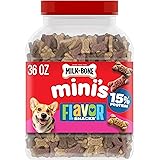
Milk-Bone Flavor Snacks Mini’s Dog Treats, 36 Oz. | 5 calories per treat, 15% protein, 3 flavors per canister (beef, chicken & bacon, naturally & artificially flavored)
$11.48 (as of October 15, 2026 03:11 GMT +00:00 - More infoProduct prices and availability are accurate as of the date/time indicated and are subject to change. Any price and availability information displayed on [relevant Amazon Site(s), as applicable] at the time of purchase will apply to the purchase of this product.)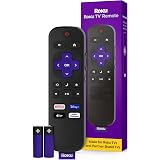
Roku TV Remote Control (Official Manufacturer Product) | Simple Setup & Pre-Set App Shortcuts - Replacement Remote Compatible with RokuTV Models ONLY (Not Roku Players)
$9.99 (as of October 15, 2026 03:21 GMT +00:00 - More infoProduct prices and availability are accurate as of the date/time indicated and are subject to change. Any price and availability information displayed on [relevant Amazon Site(s), as applicable] at the time of purchase will apply to the purchase of this product.)
Temptations Classic Crunchy and Soft Cat Treats, Tasty Chicken, 30 oz | Under 2 calories per treat, crunchy outside & soft inside, resealable tub, 100% complete & balanced, snack, meal or topper
$14.94 (as of October 15, 2026 03:11 GMT +00:00 - More infoProduct prices and availability are accurate as of the date/time indicated and are subject to change. Any price and availability information displayed on [relevant Amazon Site(s), as applicable] at the time of purchase will apply to the purchase of this product.)
Amazon Fire HD 10 tablet, built for relaxation, 10.1" vibrant Full HD screen, octa-core processor, 4 GB RAM, 32 GB, Black
$154.99 (as of October 15, 2026 03:32 GMT +00:00 - More infoProduct prices and availability are accurate as of the date/time indicated and are subject to change. Any price and availability information displayed on [relevant Amazon Site(s), as applicable] at the time of purchase will apply to the purchase of this product.)













Post Comment