Unbelievable Discovery in Japan: This New Bird Species Could Change Everything We Thought About Nature!
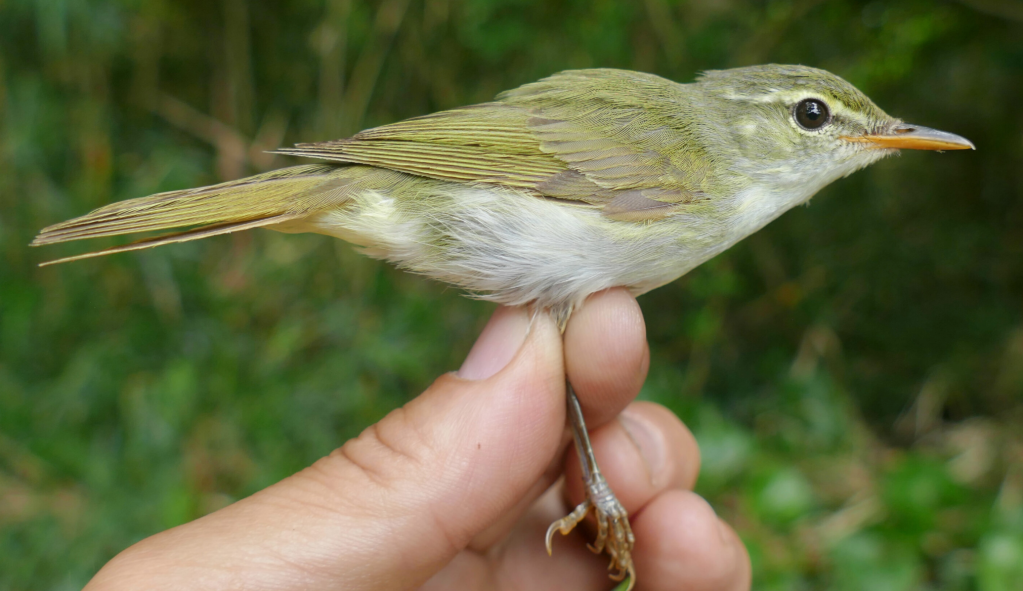
Isn’t it wild how nature loves to play hide-and-seek? For about ten years, scientists were scratching their heads over these two nearly identical birds living on separate Japanese islands—same looks, different tunes. It turns out, a brand-new species, the Tokara Leaf Warbler, had been right under their noses all along, cloaked not by flashy feathers but by subtle song and DNA whispers. This discovery, announced by Uppsala University and published in PNAS Nexus, marks Japan’s first new bird species find since 1982! It’s a brilliant reminder that sometimes, the biggest surprises come quietly—and that digging a little deeper (way deeper) can uncover secrets that change everything. Ready to dive into the story behind this feathered fugitive? LEARN MORE

For roughly a decade, a quiet mystery played out across two remote Japanese island chains. Birds that looked virtually identical were singing different songs. Now, researchers have confirmed what those differences meant: a brand-new species has been hiding in plain sight.
The Tokara Leaf Warbler, identified through DNA and song analysis, was announced March 17 by Uppsala University. The findings were published in PNAS Nexus, marking the first new bird species identified in Japan since the Okinawa Rail in 1982.
A bird that fooled scientists for years
The Tokara Leaf Warbler had long been mistaken for another species, the Ijima’s Leaf Warbler. To the naked eye, the two birds are nearly indistinguishable. It took a combination of DNA sequencing, full genome analysis and careful bird song comparisons to confirm that the populations on two separate island groups are, in fact, different species.
“The new species is a little cryptic and tricky to define. In terms of appearance, it doesn’t differ from the Ijima’s Leaf Warbler. It is DNA analyses and differences in song that show that this is a separate species,” said Per Alström, a researcher involved in the work.
The initial clue surfaced roughly 10 years ago, when scientists noticed DNA differences between birds living on two island groups. That discovery launched an extended period of fieldwork, museum study and lab analysis involving researchers from Uppsala University, the University of Gothenburg and Japanese institutions.
Two islands, two species
The key geographic distinction is significant. Ijima’s Leaf Warbler is found on the Izu Islands, located south of Tokyo. The newly classified Tokara Leaf Warbler lives on the Tokara Islands, approximately 621 miles to the southwest.
Despite the distance separating them, these birds had been classified as a single species for years—a testament to how similar they appear.
“Analyses based on the entire genome showed that the birds on the Tokara Islands are very unlike those on the Izu Islands, a finding that was corroborated by careful comparisons of their songs,” the release stated.
The formal recognition of the Tokara Leaf Warbler as a separate species now splits what was once considered one species into two.
Why it matters for conservation
The discovery carries weight beyond scientific classification. Both species show low genetic diversity, making them vulnerable to disease and environmental change.
Ijima’s Leaf Warbler is already officially listed as Vulnerable by the International Union for Conservation of Nature and is protected as a Japanese “Natural Monument.”
“Yet both species also show signs that they may have recovered somewhat from past population declines,” the release read. “As the Tokara Leaf Warbler is at least as rare as the Ijima’s Leaf Warbler, the scientists recommend that both species should be classified as Vulnerable and both should be monitored to detect any future population changes.”
The researchers’ recommendation to classify the Tokara Leaf Warbler as Vulnerable underscores the urgency of understanding what lives in the wild—especially when species can go unrecognized for so long.
Hidden biodiversity in a time of crisis
Alström framed the discovery in broader terms, pointing to what modern genetic tools can reveal about the natural world.
“This shows how important it is to use genetic methods to reveal hidden biodiversity at a time of global biodiversity crisis. These methods can help provide more complete knowledge on which to base future nature conservation efforts,” he said.
The Tokara Leaf Warbler’s story is a reminder that not all species announce themselves with bold plumage or distinctive calls obvious to the human ear. Some differences are locked in DNA, detectable only through the kind of painstaking research that stretches across years and institutions.
With its formal recognition, the Tokara Leaf Warbler now joins a growing list of species identified through modern genetic methods — and a conservation watchlist that researchers hope will help protect it for generations to come.

Strawberries, 1 Lb
(as of September 13, 2026 03:03 GMT +00:00 - More infoProduct prices and availability are accurate as of the date/time indicated and are subject to change. Any price and availability information displayed on [relevant Amazon Site(s), as applicable] at the time of purchase will apply to the purchase of this product.)
TAGRY Bluetooth Headphones True Wireless Earbuds 60H Playback LED Power Display Earphones with Wireless Charging Case IPX5 Waterproof in-Ear Ear buds with Mic for TV Smart Phone Laptop Computer Sports
$25.99 (as of September 13, 2026 03:10 GMT +00:00 - More infoProduct prices and availability are accurate as of the date/time indicated and are subject to change. Any price and availability information displayed on [relevant Amazon Site(s), as applicable] at the time of purchase will apply to the purchase of this product.)
Monster Rehab Tea + Lemonade + Energy, Energy Drink 15.5 Ounce | Energy Iced Tea, Pack of 15
$29.98 (as of September 13, 2026 03:03 GMT +00:00 - More infoProduct prices and availability are accurate as of the date/time indicated and are subject to change. Any price and availability information displayed on [relevant Amazon Site(s), as applicable] at the time of purchase will apply to the purchase of this product.)
Miracle Vet Medicated Dog Shampoo for Itchy Skin Relief - Antifungal for Dog Allergy Relief, Yeast Infection, Hot Spot & Dry Skin Anti-Itch Treatment Wash - Hydrocortisone 8 fl oz
$14.99 (as of September 13, 2026 03:08 GMT +00:00 - More infoProduct prices and availability are accurate as of the date/time indicated and are subject to change. Any price and availability information displayed on [relevant Amazon Site(s), as applicable] at the time of purchase will apply to the purchase of this product.)














Post Comment