
How This Simple Strength Training Split Unlocked My Total Body Transformation at 52—And Why GLP-1 Was Just the Beginning
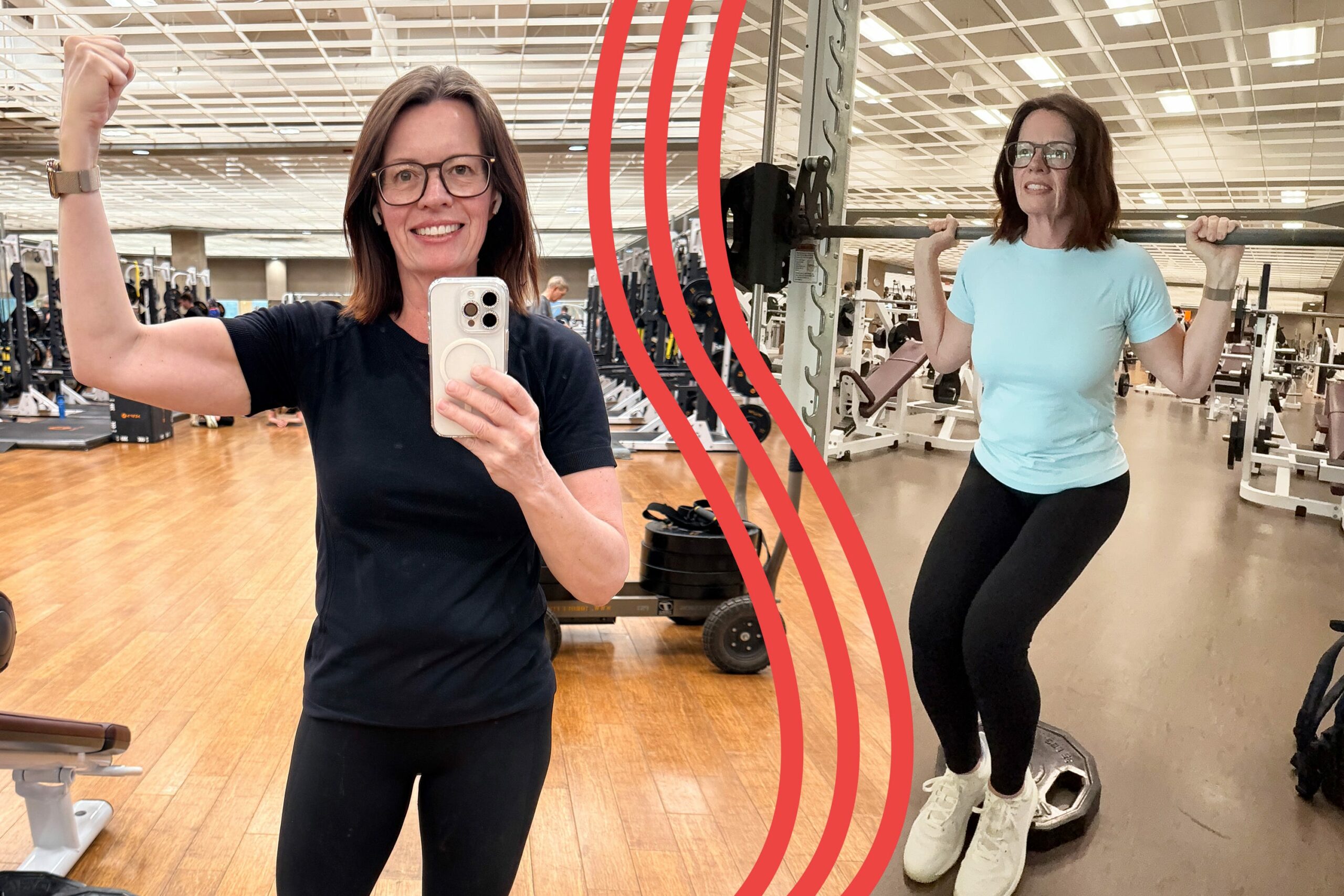
Ever found yourself thinking, “I really should hit the gym,” only to end up binge-watching another series instead? Believe me, I’ve been there—spent decades sidestepping exercise like it was an awkward first date. For most of my life, working out was a casual fling: here and there, nothing consistent. When the pandemic slammed in my late 40s, those few workouts vanished altogether, and my eating? Well, let’s just say my protein intake was as mysterious as my lost car keys. By 52, feeling drained, carrying an extra 50 pounds, and watching my muscles vanish, I knew I had to shake things up. What followed was a messy, honest journey of trial, error, and hard-earned victories—joining a gym, juggling workouts, and finally realizing that building muscle wasn’t just about the scale but about crafting strength and vitality for the long haul. Curious how I transformed my approach and why protein became my new best friend? Stick with me. LEARN MORE
 5 min read
It’s hard to imagine now, but for most of my life, exercise wasn’t a priority. I occasionally lifted weights and tried various online programs in my 30s and early 40s, but never stayed consistent. When the COVID-19 pandemic hit in my late 40s, exercise completely fell by the wayside, and I wasn’t eating as well as I thought—I had no sense of portion size and ate very little protein. When I turned 52, I knew something had to change; I was constantly tired, had practically no muscle, and gained around 50 pounds.
So, I joined my local gym and started programming my own workouts, based on my prior fitness knowledge, three days a week. I wasn’t eating any differently, though, and I only did lower-body workouts since they were my favorite, so after nine months, I didn’t lose much weight. Discouraged, I talked to my doctor, who prescribed a GLP-1 medication to kick-start my progress. But he also told me that the key to living longer—and stronger—wasn’t just about weight loss, it was also about building muscle and functional strength to move well for the rest of my life. He recommended that I increase my protein intake and start full-body strength training to grow muscle, support my bone health, and improve my overall longevity.
So, I began eating 60 to 80 grams of protein a day and planned to gradually increase my intake once my body had adjusted to that amount. I also cut out alcohol because it wasn’t adding any value to my life. Around the same time, I changed up my workout routine: I started giving more attention to my upper body and core, increased my cadence to five days per week, and finished every workout with at least 20 minutes of walking on the treadmill.
Within a month, I felt like a new person. Not only did I feel stronger, but I also noticed that my clothes fit looser and I could see more muscle tone in my arms and legs. Plus, I also had more energy during the day and was sleeping better. Slowly but surely, the scale kept moving, and after 11 months, I reached my weight loss goal and gained even more muscle.
Today, at 54, my focus is to continue building muscle for long-term health and longevity.
I stopped taking the GLP-1 after hitting my goal weight, but the rest of my habits and routine have stayed the same. I still strength train five days a week with three lower-body days and two upper-body days. Each session lasts about an hour and a half, and I typically do four to six exercises, with three to five sets of 10 reps per move.
I use a mix of free weights and weight machines, and always follow the principle of progressive overload (gradually upping intensity, volume, or duration over time). So, I aim to increase the weight for each exercise weekly, even if it’s just by a pound or two, but if my form starts to slip, I dial it back and refocus on the basics. I do everything in my power to stay injury-free, so form always comes first.
On lower-body days, I train glutes, hamstrings, and quads. I love hip thrusts, squats, leg presses, leg extensions, and Romanian deadlifts. For upper-body days, I split my workouts between chest and shoulders, and back and triceps, with staples like bench presses, lat pulldowns, and lateral raises. My big goal right now is to crush an unassisted pull-up, so I also do two sets of 10 assisted pull-ups every day. Additionally, I finish each workout with bodyweight ab exercises and 20 to 30 minutes of cardio on the treadmill or stair stepper.
When it comes to nutrition, my appetite has generally stayed the same since stopping the GLP-1, but I’ve dialed up my protein. I now aim for 140 grams per day, relying on go-to options like cottage cheese, shredded chicken, steak, and even protein coffee. That said, I don’t get too hung up on hitting exact numbers and I believe life is meant to be enjoyed, so if I’m on vacation or craving pizza for dinner and fall short on protein, that’s totally fine. My goal is to be consistent, not perfect.
3 Fitness Products I Can’t Train Without

Clean Simple Eats Clear Protein Water
This protein water has become a go-to in my post-workout routine. It’s refreshing and convenient to help me reach my daily protein goals.

Apple Watch Series 11
Now 18% Off
I wear my Apple Watch daily and love being able to track my heart rate and activity level.

Apple Airpods 4
Now 11% Off
Good music is essential for my workouts, so I never leave the house without my AirPods.
These three factors are key to my strength transformation success:
1. I train intentionally.
It’s easy to function on autopilot and cruise through a workout just to check it off the to-do list. But I’ve learned that to truly maximize my time and effort, success in the gym comes from being fully present. Exercising is an opportunity to get stronger and give back to my body, so I never cut corners or just go through the motions. I make sure every rep counts by constantly checking my form and thinking about the muscles I’m activating in each movement. By being deliberate with every set, I ensure I’m challenging myself safely, making progress, and getting stronger with each workout.
2. I follow the 20-minute rule.
In the past, I would’ve completely blown off a workout if I was tired. But now, instead of skipping a workout, I commit to exercising for 20 minutes; I always just start, no matter how unmotivated I feel. If after 20 minutes I don’t feel like continuing, I listen to my body and call it a day. But most of the time, once I get moving, I feel good and end up finishing the rest of my workout. Sometimes it turns out amazing, and sometimes I can’t lift as heavy as normal or need more time to recover. Either way, that’s okay—I always feel better with some movement rather than none.
3. I revamped my workout routine to support my longevity.
I initially started exercising to lose weight, but this journey has taught me that fitness is about so much more. Once my doctor told me that growing muscle and strength is the secret to moving freely for the rest of my life, I knew I’d keep these habits—like regular strength training and eating enough protein—in my routine for the long haul. Lifting weights has already improved my quality of life in countless ways: I can climb up the stairs with greater ease than before, walk further distances without getting winded, and pick up a heavy bag of groceries without sweating it. I’m putting in the work in my 50s so I can stay strong, independent, and active well into my 60s, 70s, 80s, and beyond.
Since beginning my strength journey, I’ve learned that fitness is really about investing in myself. My fitness journey inspired my mission to live a longer, healthier, more vibrant life. These past two years have transformed me in more ways than one, and it’s only the beginning.
Andi Breitowich is a freelance writer who covers health, fitness, relationships, beauty, and smart living. She is a graduate of Emory University and Northwestern University’s Medill School of Journalism. Her work has appeared in Women’s Health, POPSUGAR, Food & Wine, What To Expect, Cosmopolitan, Men’s Health, and elsewhere. As a former collegiate pole vaulter, she loves all things fitness and has yet to meet a group workout class she doesn’t like.
The Farmer's Dog Snap Sticks, Human Grade Dog Treats, Beef & Apple 3oz | Human-Grade Dog Treats for Puppies and Adult Dogs, For All Ages, Sizes and Breeds
$11.99 (as of October 4, 2026 03:14 GMT +00:00 - More infoProduct prices and availability are accurate as of the date/time indicated and are subject to change. Any price and availability information displayed on [relevant Amazon Site(s), as applicable] at the time of purchase will apply to the purchase of this product.)
XIAOWTEK Wireless Earbuds, 2026 Bluetooth 5.4 Headphones Bass Stereo Ear Buds with Noise Cancelling Mic, LED Display in Ear Earphones 50H Playtime Ear Buds, IP7 Waterproof for Laptop Pad Phones Black
$18.99 (as of October 4, 2026 03:26 GMT +00:00 - More infoProduct prices and availability are accurate as of the date/time indicated and are subject to change. Any price and availability information displayed on [relevant Amazon Site(s), as applicable] at the time of purchase will apply to the purchase of this product.)
KJKZO Dog Bark Collar for Large Medium Small Dogs, Effective No-Bark Collar, Smart Barking Collar, Rechargeable Bark Collar with 7 Sensitivity, 3 Modes, Waterproof, Frosted Black
$25.99 (as of October 4, 2026 03:14 GMT +00:00 - More infoProduct prices and availability are accurate as of the date/time indicated and are subject to change. Any price and availability information displayed on [relevant Amazon Site(s), as applicable] at the time of purchase will apply to the purchase of this product.)
Ring Battery Doorbell (newest model), Speckled Gray with Indoor Cam, White
$49.99 (as of October 4, 2026 03:26 GMT +00:00 - More infoProduct prices and availability are accurate as of the date/time indicated and are subject to change. Any price and availability information displayed on [relevant Amazon Site(s), as applicable] at the time of purchase will apply to the purchase of this product.)








Post Comment