Why the US-Iran Stalemate Could Spark the Next Bitcoin Crash—and What Savvy Investors Need to Do Now

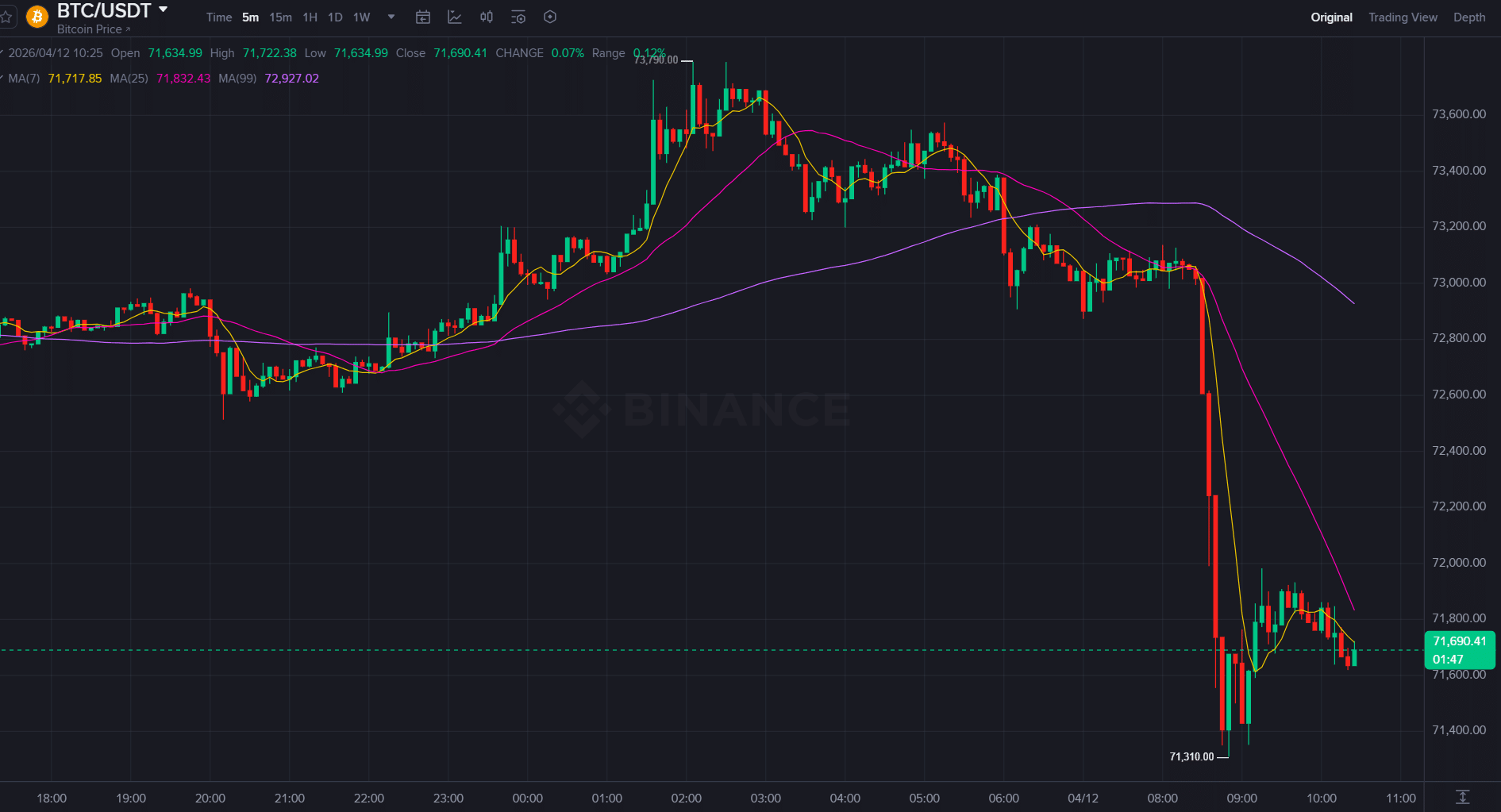
Ever wonder how geopolitical drama can rattle something as digital and decentralized as Bitcoin? Well, on Saturday evening, Bitcoin took a little dive—dropping about 2% from a lofty $73,000-plus down to roughly $71,310—and it wasn’t because of some tech glitch or market whimsy. Nope, it all boiled down to a high-stakes standoff in Islamabad where the US and Iran wrapped up marathon talks with zero agreement. Picture this: 21 grueling hours of back-and-forth—with Vice President JD Vance leading the charge and consulting President Trump himself—only to hear Iran push back hard against the US demands. This isn’t just politics; it’s a stark reminder that even the crypto world isn’t immune to the tremors of international tension. So, what does a faltering nuclear deal have to do with your Bitcoin bag? More than you might think. LEARN MORE
Bitcoin slid 2% on Saturday evening, dropping from above $73,000 to around $71,310, after US and Iran failed to agree on terms during high-stakes negotiations in Islamabad, Pakistan.
Vice President JD Vance, who led the US delegation, confirmed that talks between the US and Iran in Islamabad, Pakistan, concluded without an agreement.
Vance stated that Iran rejected the US position, emphasizing that Washington requires a fundamental commitment from Tehran to abandon its nuclear weapons development.
Vance noted that the negotiations spanned 21 hours and involved frequent consultations with President Donald Trump, who has made halting Iran’s nuclear program a core objective. He added that the US proposal represented its final offer.
In response, Iran’s foreign ministry characterized the talks as intensive and urged the US to abandon “excessive demands and unlawful requests” while respecting Iran’s sovereign rights.
According to IRGC-affiliated media Fars News Agency, an Iranian source accused the US of moving the goalposts during the deliberations.
A key sticking point involves US demands regarding the Strait of Hormuz, which has remained effectively closed since the outbreak of conflict between the US, Israel, and Tehran in late February.
The source suggests Washington is attempting to achieve through diplomacy what it failed to secure during the 40-day war, specifically citing US proposals for tanker protection, shipping insurance, and other military-economic measures.
These negotiations follow a Pakistan-brokered two-week ceasefire reached on Wednesday, after Washington accepted a 10-point proposal from Tehran. While Iran maintains that sending a delegation signals its willingness to negotiate, officials warn that its armed forces remain on high alert.

Coca-Cola Zero Sugar Soda Soft Drink Fridge Pack Cans, 12 fl oz, 12 Pack | Carbonated cola soda pop with zero calories
$7.68 (as of September 15, 2026 03:03 GMT +00:00 - More infoProduct prices and availability are accurate as of the date/time indicated and are subject to change. Any price and availability information displayed on [relevant Amazon Site(s), as applicable] at the time of purchase will apply to the purchase of this product.)
Amazon Echo Show 11 (newest model), Vibrant Full-HD 11" display with more viewing area and spatial audio, Designed for Alexa+, Graphite
$249.99 (as of September 15, 2026 03:26 GMT +00:00 - More infoProduct prices and availability are accurate as of the date/time indicated and are subject to change. Any price and availability information displayed on [relevant Amazon Site(s), as applicable] at the time of purchase will apply to the purchase of this product.)
Smiry Dog Door Mat for Muddy Paws, Absorbent Non Slip Dirt Trapper, 30x20 | Grey and Black, Quick Dry Washable Chenille Mat for Mud Dogs, Entry Rug for Indoor and Outdoor
$9.99 (as of September 15, 2026 03:09 GMT +00:00 - More infoProduct prices and availability are accurate as of the date/time indicated and are subject to change. Any price and availability information displayed on [relevant Amazon Site(s), as applicable] at the time of purchase will apply to the purchase of this product.)
Amazon Kindle Paperwhite 16GB (newest model) – 20% faster, with new 7" glare-free display and weeks of battery life – Black
$199.99 (as of September 15, 2026 03:26 GMT +00:00 - More infoProduct prices and availability are accurate as of the date/time indicated and are subject to change. Any price and availability information displayed on [relevant Amazon Site(s), as applicable] at the time of purchase will apply to the purchase of this product.)













Post Comment