Unlocking the Genetic Code: How Hidden Fitness Genes Could Be Your Ultimate Disease Defense Weapon
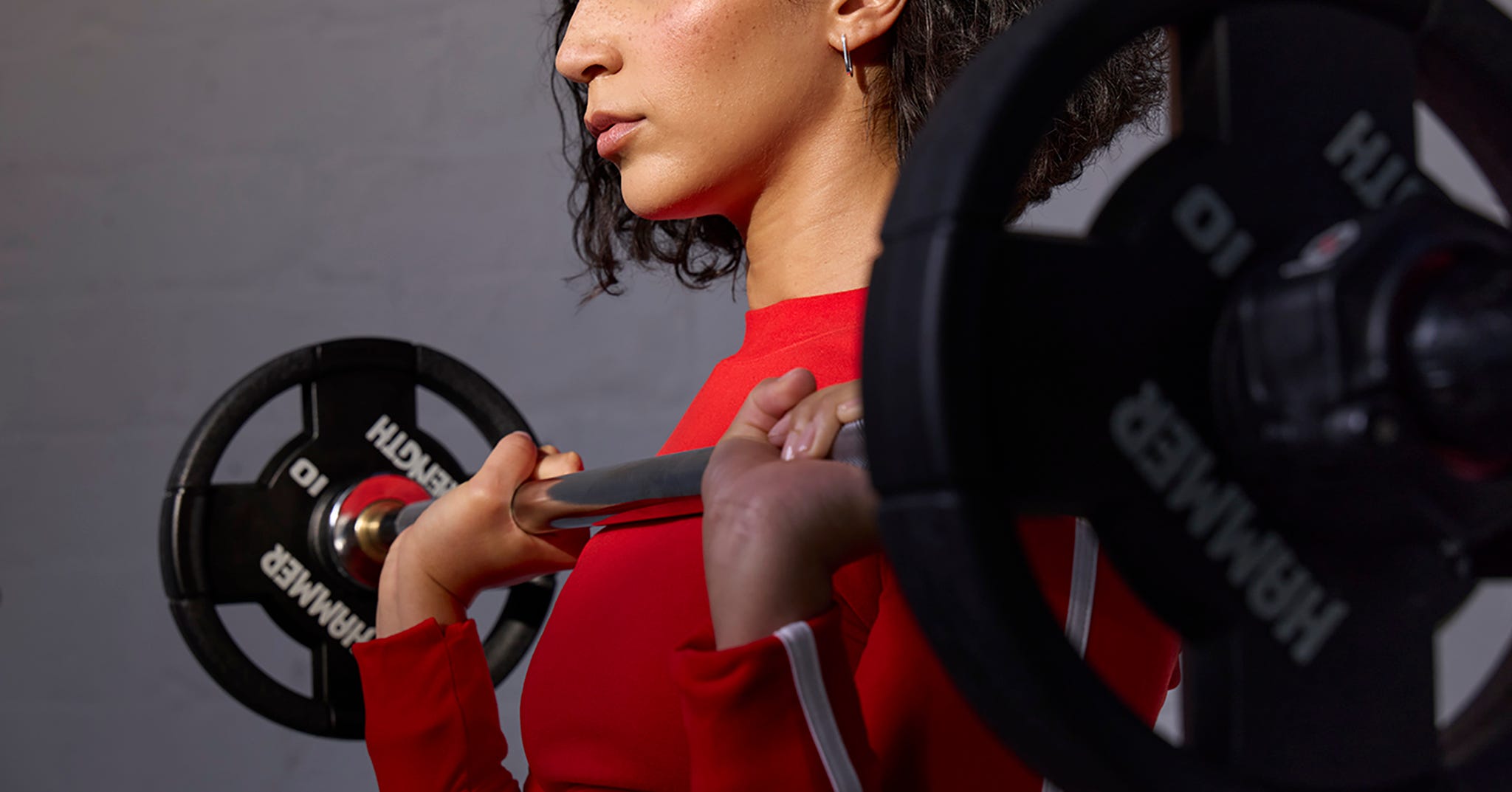
Ever found yourself grinding it out at the gym while your mate breezes through a 5K like it’s a leisurely Sunday stroll? Annoying, right? Turns out, there might be a sneaky little genetic trick up some people’s sleeves that gives them a fitness edge—and it’s not just about looking good or clocking faster times. New research shows these genetic variants don’t only help with endurance or strength; they’re also linked to lower risks of things like stroke, high blood pressure, and even asthma. Now, before you start wondering if muscles really do skip a generation in your family tree, here’s the kicker: experts emphasize that regardless of your DNA hand, lacing up those trainers and moving your body remains absolutely crucial. Ready to unpack what this means for you and your workout routine? Let’s dive in. LEARN MORE
 4 min read
New research links genetic variants associated with fitness with a lower risk of developing certain diseases.
These include: lower risk of stroke, lower blood pressure, and lower risk of asthma.
Experts say that even if you don’t have the genetic advantage for fitness, it’s still worth prioritizing physical activity.
It’s understandably frustrating when you put in more sweat equity at the gym than your friends, only to see the same results. New research suggests that’s not in your head: There are certain genetic variants linked to being more fit, and they’re also linked with a lower risk of developing a slew of diseases.
It’s important to say this upfront: The findings don’t suggest that you should just give up on exercise if you suspect you’re not genetically prone to being fit. But it does imply that some people may be more set up for success in the fitness department than others, which can explain how your bestie can just do a 5K with no prep work while you have to train.
What’s the takeaway here? A study author and cardiologist explain.
Meet the experts: Eleonora Fornara, RD, lead study author, dietitian, and PhD researcher at the University Ramon Llull, Blanquerna School of Health Sciences and Cheng-Han Chen, MD, interventional cardiologist and medical director of the Structural Heart Program at MemorialCare Saddleback Medical Center in Laguna Hills, California.
What did the study find?
For the study, which was published in Medicine & Science in Sports & Exercise, researchers screened multiple long-term study databases for 712 health-related phenotypes. Phenotypes refer to observable characteristics of an organism, like blood pressure or height.
After analyzing the data, researchers found 34 associations between genetically predicted aerobic fitness and different health outcomes. People with certain genes had a range of health perks that may give them an advantage, including a lower risk of stroke, higher heart rate variability, lower blood pressure, and lower risk of asthma. They were also more likely to have higher years of schooling than people without these genes. Higher levels of education have also been previously linked to better health outcomes.
The researchers found that genes associated with “being fitter” may be linked to a lower risk of developing about 30 diseases.
“We know from decades of observational research that physically fit people tend to be healthier,” says Eleonora Fornara, RD, lead study author, dietitian, and PhD researcher at the University Ramon Llull, Blanquerna School of Health Sciences. “Most prior studies couldn’t rule out the possibility that healthier people simply exercise more, rather than exercise making them healthier.”
But Fornara and her fellow researchers wanted to dive a little deeper and look at the genes that predispose people to fitness. “Because our genes are assigned at birth — before any disease develops — this method lets us make much stronger causal inferences than traditional observational studies,” Fornara explains. Their study was able to provide stronger evidence of a potential causal link between being fit and a lower risk of disease and other risk factors.
What does ‘fit’ mean?
This study focused on cardiorespiratory fitness, which is the body’s ability to respond effectively to physical effort.
“This reflects how well the heart, lungs, and muscles work together during sustained exercise,” Fornara says. “We didn’t study a specific sport or exercise type, but rather the underlying biological capacity to be physically fit.”
In general, fitness doesn’t mean you have certain genes, says Cheng-Han Chen, MD, interventional cardiologist and medical director of the Structural Heart Program at MemorialCare Saddleback Medical Center in Laguna Hills, California. “Genes probably play a part of it, but it’s still only a part,” he says. “You can have certain genes associated with fitness but, if you don’t exercise and take advantage of your genes, you may not be fit.”
Can you be active but ‘unfit’?
Yep. “Physical activity (what you do) and physical fitness (how your body responds) are related but not identical,” Fornara says. “Two people can follow the same exercise routine and end up with very different fitness levels, partly due to genetics.”
But Fornara stresses that activity is still crucial at baseline. “Being active still brings broad health benefits — even for those who don’t see large gains in cardiorespiratory metrics,” she says.
How important is it to have the genes for fitness?
It’s easy to read this and decide there’s no point in putting in the effort at the gym anymore. But that shouldn’t be the takeaway, according to Chen. “We are not at the point where we can say, ‘If you have these genes, you will actually have better health outcomes,’” he says. “But what the researchers are saying is that these genes are associated with better markers of health, like heart rate variability.”
Fornara agrees. “You don’t need to be genetically gifted,” she says. “Cardiorespiratory fitness is a modifiable factor that improves with regular aerobic exercise…anything you do to improve your fitness—running, cycling, swimming, brisk walking—moves you in the right direction, regardless of your genetic starting point.”
Overall, Chen stresses the importance of being physically active. “Physical inactivity is associated with cardiovascular disease,” he says. “Having fitness genes or not does not really change that.”
Korin Miller is a freelance writer specializing in general wellness, sexual health and relationships, and lifestyle trends, with work appearing in Men’s Health, Women’s Health, Self, Glamour, and more. She has a master’s degree from American University, lives by the beach, and hopes to own a teacup pig and taco truck one day.
Carina Hsieh, MPH, is the deputy features editor of Women’s Health. She has more than a decade’s worth of experience working in media and has covered everything from beauty, fashion, travel, lifestyle, pets, to health.
She began her career as an intern in the fashion closet at Cosmopolitan where she worked her way up to Senior Sex & Relationships Editor. While covering women’s health there, she discovered her passion for health service journalism and took a break to get her Masters in Public Health. Post-grad school, she worked as a freelance writer and as The Daily Beast’s first Beauty, Health, and Wellness Reporter.
Carina is an alum of the Fashion Institute of Technology and the Yale School of Public Health. She and her French Bulldog, Bao Bao, split their time between Brooklyn and Connecticut. She enjoys reformer Pilates, (slow) running, and smelling the fancy toiletries in boutique fitness class locker rooms.

Wonderful Halos Mandarins, Sweet, Seedless, Easy Peel Mandarin Oranges - Healthy Food, Fresh Fruit, 3lb Bag
(as of September 20, 2026 03:04 GMT +00:00 - More infoProduct prices and availability are accurate as of the date/time indicated and are subject to change. Any price and availability information displayed on [relevant Amazon Site(s), as applicable] at the time of purchase will apply to the purchase of this product.)
Tevila Stainless Steel Cat Litter Box for Kitten, Kitty & Senior Cats Pan | Metal Litter Box , Open Top Low Entry Litter Pan, Non-Stick Easy Clean Anti-Scratch Kitty Cat Box for Indoor Cats, Single Pan
$15.99 (as of September 20, 2026 03:10 GMT +00:00 - More infoProduct prices and availability are accurate as of the date/time indicated and are subject to change. Any price and availability information displayed on [relevant Amazon Site(s), as applicable] at the time of purchase will apply to the purchase of this product.)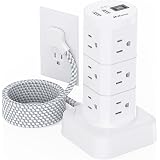
Power Strips with Surge Protection, Flat Plug Power Strip Tower | Charging Station 12 Outlets 4 USB Ports, 1080J 6Ft Extension Cord with Multiple Outlets, Office Supplies, Dorm Essentials
$19.97 (as of September 20, 2026 03:29 GMT +00:00 - More infoProduct prices and availability are accurate as of the date/time indicated and are subject to change. Any price and availability information displayed on [relevant Amazon Site(s), as applicable] at the time of purchase will apply to the purchase of this product.)
INSIGNIA 50" Class F50 Series LED 4K UHD Smart Fire TV, Voice Remote with Alexa, Stream Live TV Without Cable
$179.99 (as of September 20, 2026 03:29 GMT +00:00 - More infoProduct prices and availability are accurate as of the date/time indicated and are subject to change. Any price and availability information displayed on [relevant Amazon Site(s), as applicable] at the time of purchase will apply to the purchase of this product.)









Post Comment