Could These ‘Natural GLP-1 Supplements’ Be the Secret Weapon Rivaling Ozempic—Or Just Clever Hype?
You ever tried to convince your doctor to hand you a GLP-1 like it’s the holy grail for weight loss, only to be hit with side effects, sticker shock, and a mountain of paperwork? Yeah, me too. That’s the uphill battle many of us face with these meds—sometimes it feels like you need a degree just to get prescribed. But what if there was a shortcut—a natural supplement that promises to do the heavy lifting without all the hassle? Enter natural GLP-1 supplements, the so-called “nature’s Ozempic” contenders like berberine and psyllium husk, popping up everywhere from celeb-backed brands to your local health store. They claim to help rev metabolism, curb cravings, and support weight management. Sounds like a dream, right? But here’s the kicker—do they actually deliver, or is it just hype dressed in fancy bottles? I tapped some top doctors who’ve been in the trenches dealing with obesity medicine, and their verdict might surprise you. Ready to separate fact from fiction? LEARN MORE
 5 min read
There are a lot of reasons that taking a GLP-1 can be a pain. From the side effects, to the cost, to getting one prescribed from your doc—there are both physical and logistical challenges between you and the weight loss meds.
Enter: “natural GLP-1 supplements.” Yup, supplements that promise to give similar results to those mighty weight loss meds without the same hassle.
Between berberine and psyllium husk duking it out for the title of “nature’s Ozempic” and all the new concoctions being developed by brands, there’s no shortage of options on the market. Kourtney Kardashian’s supplement company Lemme has six that claim to offer metabolic, cravings, and “toning” support to aid in weight loss or weight management for example.
Obviously, there’s one critical question: do these supplements actually work? We tapped obesity medicine physicians for their answer.
Meet the experts: Kunal Shah, MD, is an assistant professor in the division of endocrinology at the Rutgers Robert Wood Johnson Medical Center. Mir Ali, MD, is a bariatric surgeon and medical director of MemorialCare Surgical Weight Loss Center at Orange Coast Medical Center.
What is a natural GLP-1 supplement?
First, a quick refresher on what a GLP-1 receptor agonist is: one of the most popular GLP-1 receptor agonists is Ozempic, a semaglutide medication that’s technically designed to help control blood sugar in people with type 2 diabetes. (The drug is approved by the Food and Drug Administration for weight loss under the name Wegovy.) After research demonstrated that people could lose up to 11 percent of their body weight from Ozempic, it skyrocketed in popularity as an off-label medication for weight loss.
Semaglutide works by mimicking a protein in your body called glucagon-like peptide 1, a.k.a. GLP-1, says Kunal Shah, MD, an assistant professor in the division of endocrinology at the Rutgers Robert Wood Johnson Medical Center. There are also a similar class of drugs, called tirzepatide, and those include meds Mounjaro (for type 2 diabetes) and Zepbound (for weight loss).
They activate GLP-1 receptors in your body, leading to an increase in the production of insulin, which helps move glucose into your cells, where it’s used for energy, Dr. Shah says. But GLP-1 receptor agonists do more than just help shuttle glucose around your body. “These medications slow down the transit of food from the stomach to the gut, making you feel full,” Dr. Shah says. You also have receptors in your brain that modulate your hunger and metabolism. Ozempic and other GLP-1s signal to those receptors, making you feel less hungry, he says.
Of course, your body produces GLP-1 naturally after you eat, but Ozempic and other similar medications are more reliable forms of the same hormone your body makes, Dr. Shah says.
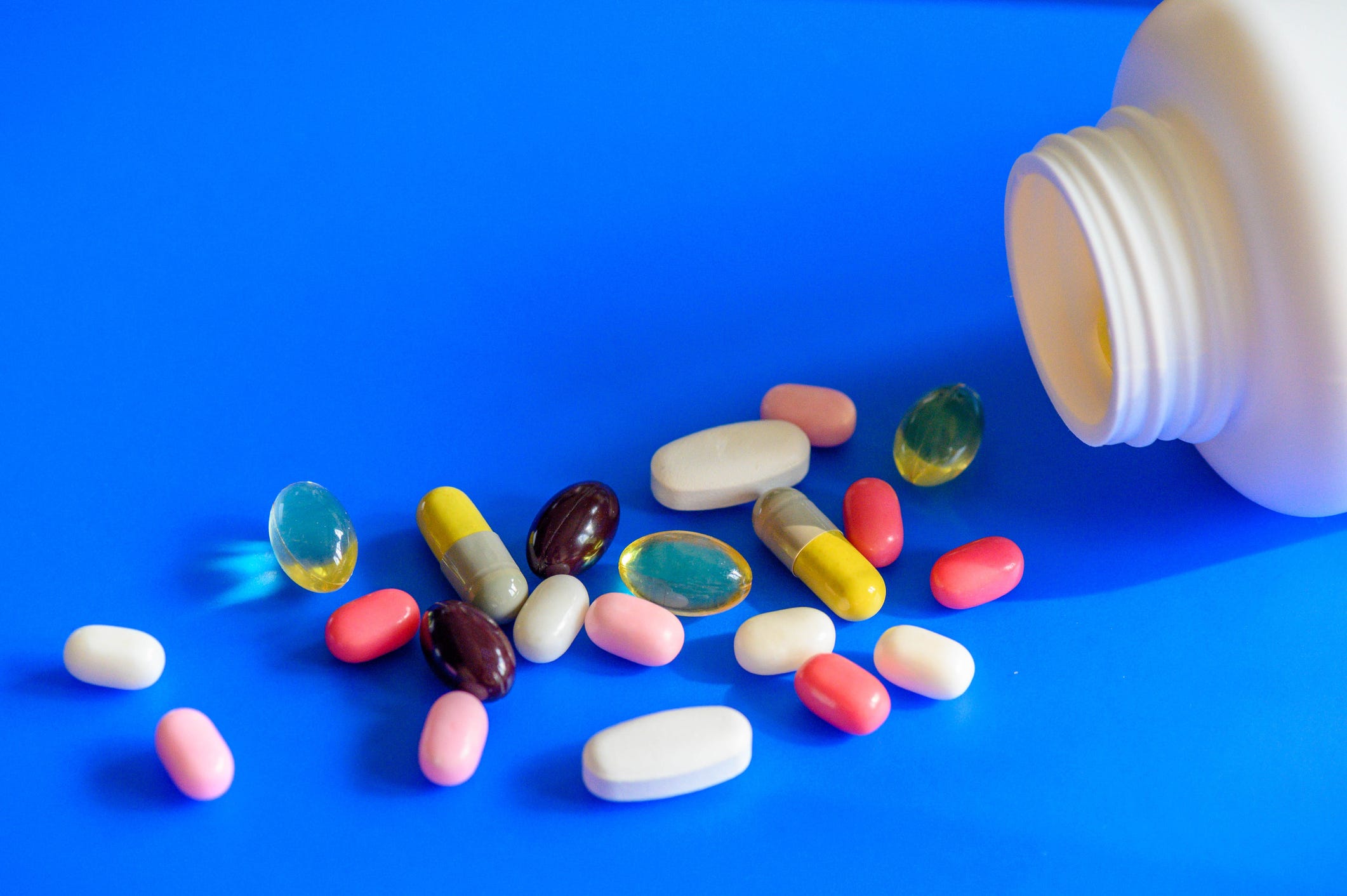
Here’s where “natural” GLP-1 supplements come in. These products contain a range of ingredients that companies claim will help stimulate GLP-1 production in your body—or simply help you lose weight. Each supplement is slightly different, but these are a few ingredients that keep coming up:
- L-taurine (an amino acid)
- Prebiotics (fiber that feed good bacteria in your gut)
- Psyllium husk (a plant-based soluble fiber)
- Boron (a trace element)
- Berberine (a plant-based substance)
- Eriomin (lemon extract)
- Supresa (saffron extract)
- Morosil (blood orange extract)
- Green tea leaf extract (concentrated green tea)
These can all have different impacts on the body, yes, but it’s a stretch to suggest that any would have the same effect as GLP-1 receptor agonist medications, says Mir Ali, MD, a bariatric surgeon and medical director of MemorialCare Surgical Weight Loss Center at Orange Coast Medical Center. Many of these supps are under-researched and don’t have a large body of proof suggesting they’ll make a GLP-1-level difference.
Can natural GLP-1s help with weight loss for women?
Likely not, say our experts. “I haven’t seen convincing evidence that any of these will make a significant impact on weight loss,” Dr. Ali says. “They are not nearly on par with [weight loss] medications.”
Natural supplements have “very mild effects” on weight loss based on what Dr. Ali has seen. There is some data to suggest that saffron, green tea, and turmeric can have a slight impact on GLP-1 production, he says, but again, it’s not a ton.
One way to stimulate similar effects is by focusing on protein, Dr. Ali says. “Eating more protein increases natural GLP-1 production.” That’s true whether you’re going through menopause or have an underlying health condition that makes you prone to weight gain. Protein can really stimulate similar effects for anyone, he says. He recommends 1.2 to 1.5 grams of protein per kilogram of body weight per day, or about 30 to 35 grams of protein per meal.
So, while you may be interested in taking a so-called natural GLP-1 supplement, you’re unlikely to see a major impact on your weight—at least, not nearly at the level that you’d see if you took a GLP-1 receptor agonist medication.
Are natural GLP-1s safe?
If you’re a healthy person with no underlying health conditions, you’re probably OK to take a GLP-1 supplement. “It certainly doesn’t seem to be harmful for most people to take these,” Dr. Ali says.
Keep in mind that some of these contain caffeine or other stimulants, so you’ll want to make sure that you don’t overdo it on top of the caffeine you may already be having in your day. And if you’re taking any medications, there’s always a risk that any supplement could interact with it. That’s why you should always consult with your doctor before hopping on a GLP-1 supplement, Dr. Ali says.
It’s also worth considering that the supplement industry is largely unregulated, making it difficult to know if what a company claims is in the bottle is actually accurate. In fact, several popular herbal supplements have been linked to liver damage and other health issues. So, to be safe, whenever you’re buying a supplement, try to opt for products that are doctor-recommended and third-party tested.
At the end of the day, if you’re trying to lose weight, consult a doctor before trying a new strategy or supplement—no matter how promising it appears. “If you want to lose weight, start by speaking to a primary care physician,” Dr. Ali says. “If you qualify for the actual medications, that would be the best route.”
Korin Miller is a freelance writer specializing in general wellness, sexual health and relationships, and lifestyle trends, with work appearing in Men’s Health, Women’s Health, Self, Glamour, and more. She has a master’s degree from American University, lives by the beach, and hopes to own a teacup pig and taco truck one day.
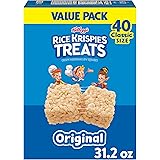
Rice Krispies Treats Crispy Marshmallow Squares, Kids Snacks, Cereal Bars, Original, 31.2oz Box (40 Bars)
$11.23 (as of September 4, 2026 03:10 GMT +00:00 - More infoProduct prices and availability are accurate as of the date/time indicated and are subject to change. Any price and availability information displayed on [relevant Amazon Site(s), as applicable] at the time of purchase will apply to the purchase of this product.)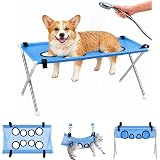
Dog Grooming Hammock Stand, Foldable Dog Bath Holder Sling Shower Chair | Heavy-Duty Pet Bath Stool for Small & Medium Dogs, Home Salon Grooming, Washable Mesh, Joint Support & Restraint(Blue,Base)
$32.99 (as of September 4, 2026 03:07 GMT +00:00 - More infoProduct prices and availability are accurate as of the date/time indicated and are subject to change. Any price and availability information displayed on [relevant Amazon Site(s), as applicable] at the time of purchase will apply to the purchase of this product.)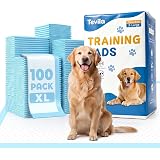
Extra Large Dog Pee Pads 100 Pack, Puppy Pads, Extra Absorbent, 34x28 in | Puppy Pee Pads, Disposable, Super Absorbent 5-Layer, Works for Small, Medium and Large Dogs, Puppy Pee Pads
$31.99 (as of September 4, 2026 03:07 GMT +00:00 - More infoProduct prices and availability are accurate as of the date/time indicated and are subject to change. Any price and availability information displayed on [relevant Amazon Site(s), as applicable] at the time of purchase will apply to the purchase of this product.)
Amazon Fire HD 10 tablet, built for relaxation, 10.1" vibrant Full HD screen, octa-core processor, 4 GB RAM, 32 GB, Black
$154.99 (as of September 4, 2026 03:11 GMT +00:00 - More infoProduct prices and availability are accurate as of the date/time indicated and are subject to change. Any price and availability information displayed on [relevant Amazon Site(s), as applicable] at the time of purchase will apply to the purchase of this product.)














Post Comment