The Silent Danger No New Mom Talks About: Kellie Gerardi’s Shocking Battle with Postpartum Hemorrhage and the Power of Self-Advocacy
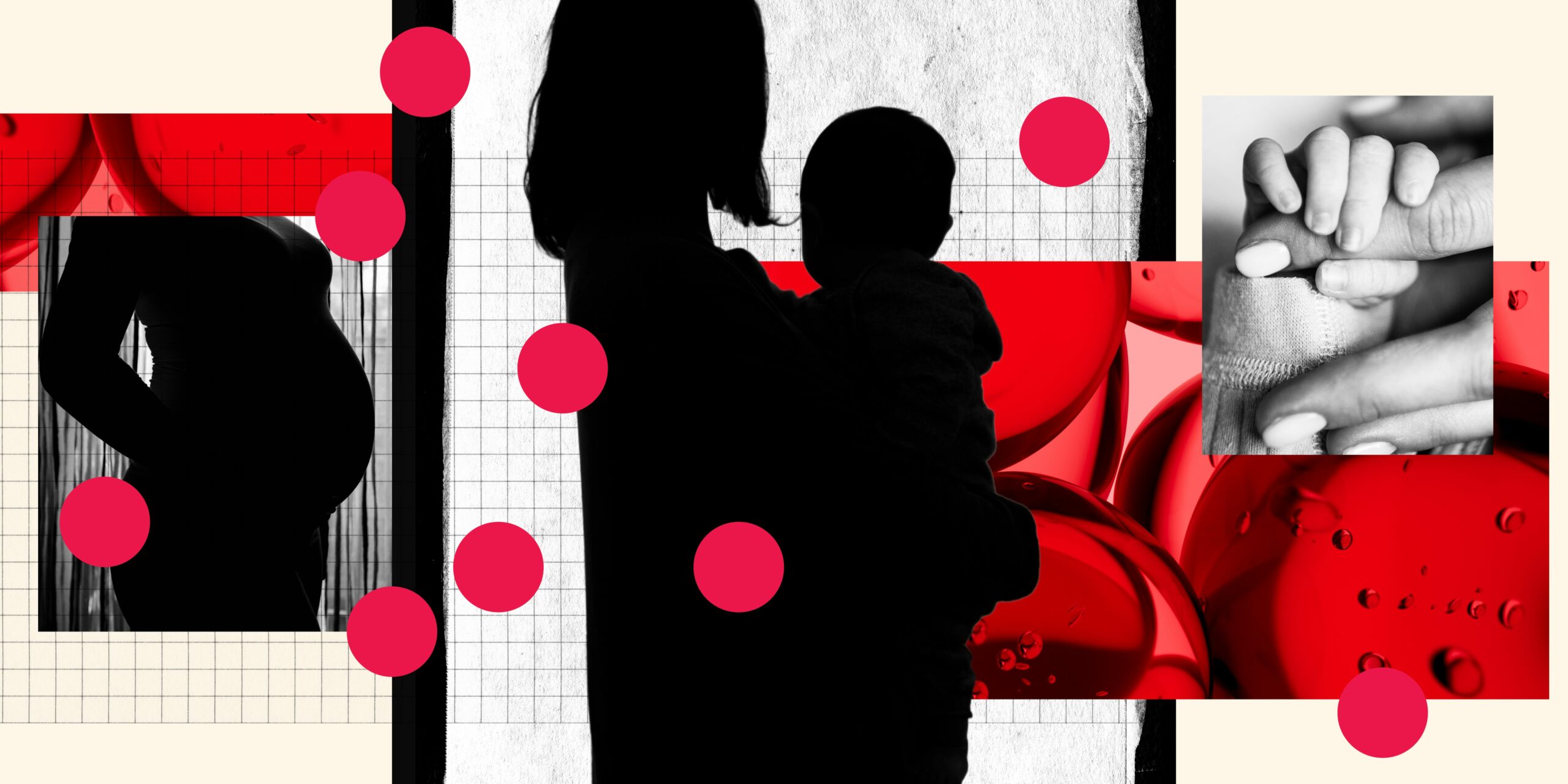
Ever wonder what it takes to beat a medical emergency no one really talks about—postpartum hemorrhage (PPH)? Well, when astronaut and content creator Kellie Gerardi announced her battle with PPH after her second baby, it caught my attention—and hit way too close to home. I’ve been down that terrifying road myself, nearly losing my life not once, but twice, to excessive bleeding after childbirth. PPH isn’t just some obscure medical term—it’s a silent threat lurking in 3% to 5% of deliveries worldwide, striking without warning and leaving millions of women vulnerable. So, what exactly goes down during those critical moments after welcoming a newborn? How do you spot the red flags, and more importantly, how can you fight back when your body refuses to cooperate? Grab a cup of tea, because this 6-minute read will dive deep into the gritty truth about PPH—sharing real stories, expert advice, and crucial info every woman should know to stay prepared and empowered. LEARN MORE
 6 min read
In early April, research astronaut, online creator, and mother of two, Kellie Gerardi, revealed in an Instagram post that soon after welcoming her second child, she suffered a postpartum hemorrhage (PPH), or an excessive loss of blood after childbirth. Gerardi shared in her caption that after a “very scary and difficult couple of days,” she’d lost over a liter of blood.
Like Gerardi, I also had postpartum hemorrhage (PPH) after each of my two children were born. I almost died twice.
PPH, which happens in 3% to 5% of deliveries, is a serious and sometimes deadly complication of childbirth. Primary PPH most often occurs within the first 24 hours after birth, while secondary (or delayed) PPH can occur from days afterward up to 12 weeks postpartum. The causes are categorized by the 4 T’s: Tone, Trauma, Tissue, and Thrombin. These refer to uterine atony, uterine injury, retained placental tissue, and problems with blood clotting.
PPH is the leading cause of maternal death for women globally, per the World Health Organization. They estimate that millions of women experience PPH, and around 70,000 die from it every year.

The first time I had PPH, I’d never heard of it. Soon after delivery, my doctor put my newborn in the hospital bassinet and sat down between my stirrups. Half drugged and numb, I watched alongside my husband as she pulled the placenta out in pieces, placing them onto the bloodstained metal table. Then, with a pained expression, she said, “I think you need dilation and curettage (D&C) surgery.” Moments later, I was rushed into the OR to have the retained placenta or “tissue” removed from my uterus after giving birth.
When I awoke, my arms and legs were shivering. My father, who came in after surgery to see me, squeezed my arm and said, “I thought we’d lost you.” That’s when I realized just how serious it had been.
Before that day, I’d already gone through three years of fertility treatment, including several failed intrauterine insemination (IUI) cycles. After one frozen embryo transfer (FET) with in vitro fertilization (IVF), I got pregnant and delivered at 37 weeks. I had no idea that IVF was associated with a higher risk of PPH.
Recognizing the Signs
Seven years after having my first child, I got pregnant again and carried my second baby to full term. By that point, I’d been in fertility treatment for a decade and had dozens of unsuccessful transfers and four miscarriages. I worried about PPH during the entire nine months of pregnancy. I pictured myself bleeding out after delivery again and leaving my children without a mother. I shared my concerns with my doctor, who assured me that they were aware of my history and taking proper precautions. Still, I was nervous.
At 40 weeks, I was induced, spending 24 long hours in labor. Just after my son was born, they took him from me, and a familiar sense of dread set in. My doctor began manually removing the placenta. This time, she said, “I think we got it all.” In my head, I was silently screaming. Instead of speaking up, I quieted that voice, convincing myself she knew better than I did. Days later, I was cleared and discharged.
But, at one week postpartum, I realized my gut feeling from days before had been right. While standing in my bathroom one morning, I felt a pulling pain in my stomach that left me doubled over. I knew I needed to be seen, so I called my doctor and said, “I think I may still have some retained placenta in my uterus.” I knew what could happen—it could lead to another PPH. An ultrasound that afternoon confirmed that I still had residual tissue inside me, and I was rolled back into the OR, again.

Afterward, I woke up in the recovery room, disoriented and afraid. A nurse appeared beside me and whispered, “You’re okay. You had a D&C.” An intense pain shot through me, forcing me to grip the bars of the bed. “I’m giving you more meds,” she said. Then the pressure eased, the room went dark, and I went back to sleep. When I opened my eyes an hour later, my ob-gyn was there, with more details about what happened while I was under. I could tell by the look on her face that something had gone wrong in surgery. “You lost a liter of blood,” she said, her voice steady. “There’s a balloon inside your uterus for 24 hours, to stop the bleeding.”
I sobbed, muttering to myself, “I knew this would happen.” My nightmares had come true. That night, they had me sign paperwork agreeing to a hysterectomy if I bled again.
But the balloon worked, and I made it through. I spent the next few days in the hospital. It was difficult for me to be away from my one-week-old — I worried he’d forget me. Two days later, despite severe anemia, I was discharged. It was finally over.
Although it took months to fully regain my strength, I’d followed my instincts and survived. If I hadn’t gone through retained placenta and PPH before, I might not have recognized the signs early enough. I’m grateful I did. Like Gerardi, I’m lucky to be here.
Unfortunately, an estimated 40% of PPH occurs in women with no risk factors, and it’s underdiagnosed by 78% in the U.S. Black women are at the highest risk, due to racial disparities and disproportionate care. Women aren’t being informed about the risks and early warning signs to look for.
What Women Should Know About PPH
Here’s what Dena Goffman, MD, Professor of Women’s Health in Obstetrics and Gynecology, Vice Chair for Quality and Patient Safety at Columbia University Medical Center, recommends women keep in mind about PPH:
Get a Risk Assessment Done
Being prepared for this life-threatening condition starts with awareness. Goffman says risk factors include: history of bleeding in pregnancy, fibroids, twin pregnancies, delivering multiples (more than five in your lifetime), IVF treatment, c-section, and anemia. Goffman explained at her hospital, “Every patient that comes in for delivery has a risk assessment done.”
Learn the Early Warning Signs
Another step in preventing PPH is identifying the warning signs early. These symptoms range from significant bleeding during labor to intensifying pain after delivery. Women may also experience rapid heart rate, pale complexion, dizziness, increased bleeding after childbirth, sudden low blood pressure, and nausea.
In addition, Goffman notes that abnormal vital signs, such as fever and chills, may not appear until later, by which time bleeding has already begun. Because of this, she suggests speaking up at the first sign, rather than waiting until symptoms progress.
Preventative Methods
It may be worth talking with your provider ahead of time to discuss the hospital policies they have in place to reduce the likelihood of PPH and ensure safer outcomes in case of an emergency.
Studies have suggested that precautions, such as oxytocin and uterine massage in the third stage of labor, between when the baby is born and when the placenta is delivered, can be effective in preventing PPH. While Goffman says these should be universal practices, you may need to verify with your provider in advance. You can also ask if your hospital uses or has access to JADA, an FDA-cleared device that uses a low-level vacuum to help the uterus contract and control bleeding.
There’s also encouraging news for the future of PPH prevention. Just last month, the American Hospital Association (AHA) announced the Safer Births Postpartum Collaborative initiative to improve detection and reduce the risk of postpartum hemorrhage. The goal of the program, they say, is to “help care teams better identify, prepare for, and respond to PPH.”
Ask Your Provider Questions
One of the easiest ways to advocate for yourself is to know your risk factors and share questions with your ob-gyn during your regular visits.
For average or low-risk women, it may be helpful to ask:
- Am I anemic? What are my options for treatment?
- Do you perform risk assessments for PPH?
- If I experience bleeding after discharge, when should I notify you?
For high-risk patients, these questions may help:
- Are you concerned I’m at risk for retained placenta or PPH?
- What is the process if I experience heavy bleeding during delivery?
- Do you keep a PPH cart with a balloon in the delivery room?

While Gerardi and I were lucky to get the medical attention we needed in time to treat our emergency hemorrhages, other women, especially among minorities, aren’t as fortunate. Being informed about the risk factors and symptoms of PPH will not only help you be better prepared but may also help you recognize it earlier.
For any woman who suspects she may be experiencing signs of this dangerous condition, it’s critical to listen to your body. If something feels wrong, don’t hesitate to get help and be seen right away. That instinct could not only give your provider time to treat you, but it might just save your life.


Hybrid Active Noise Cancelling Bluetooth Headphones Wireless Headphones | Over Ear, 120H Playtime, Hi-Res Audio, Deep Bass, Memory Foam Ear Cups for Home Office Travel Black
$29.99 (as of September 22, 2026 03:23 GMT +00:00 - More infoProduct prices and availability are accurate as of the date/time indicated and are subject to change. Any price and availability information displayed on [relevant Amazon Site(s), as applicable] at the time of purchase will apply to the purchase of this product.)
Jinx Chicken Wet Dog Food Toppers, Homemades 6 Pack, 9oz | Meal or Mix with Dry Dog Food, Made with Real Chicken, Bone Broth & No Fillers for Puppies, Adults & Seniors
$16.68 (as of September 22, 2026 03:10 GMT +00:00 - More infoProduct prices and availability are accurate as of the date/time indicated and are subject to change. Any price and availability information displayed on [relevant Amazon Site(s), as applicable] at the time of purchase will apply to the purchase of this product.)
BESIGN LS03 Aluminum Laptop Stand, Ergonomic Detachable Computer Stand, Notebook Riser, Laptop Mount Compatible with Air, Pro, Dell, HP, Lenovo More 10-15.6" Laptops, Silver
$16.99 (as of September 22, 2026 03:23 GMT +00:00 - More infoProduct prices and availability are accurate as of the date/time indicated and are subject to change. Any price and availability information displayed on [relevant Amazon Site(s), as applicable] at the time of purchase will apply to the purchase of this product.)
Universal Remote Control XRT140 for VIZIO Smart TV Remote Replacement XRT136 XRT260 XRT270 Smartcast D, E, M, P, V, PX Series Smart TVs
$9.98 (as of September 22, 2026 03:23 GMT +00:00 - More infoProduct prices and availability are accurate as of the date/time indicated and are subject to change. Any price and availability information displayed on [relevant Amazon Site(s), as applicable] at the time of purchase will apply to the purchase of this product.)













Post Comment