Why Larry Fink’s Venezuela Bet Could Be the Biggest Blind Spot in BlackRock’s Empire—And What It Means for Your Portfolio
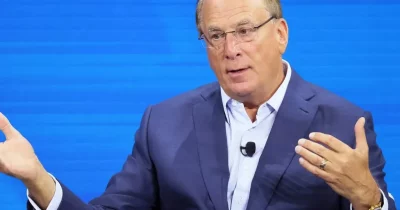
Larry Fink, the head honcho at BlackRock, has recently been pegged as an optimist for Venezuela’s investment prospects — thanks to the country’s shifting political tides. Sounds like a bold move, right? I mean, investing in one of the world’s most economically challenged nations might just be the ultimate high-stakes game. But here’s where things get intriguing: what Fink actually talked about in a recent BlackRock webinar wasn’t Venezuela at all. Nope. His focus was all about the promise of AI and navigating global geopolitical twists—nothing close to waving a green flag for Venezuelan ventures. So, are we witnessing a classic case of words lost in translation, or just another example of how rumors can spiral far from reality? Stick with me as we unpack why Venezuela’s current economic landscape paints a far more complex picture than those optimistic headlines suggest. LEARN MORE
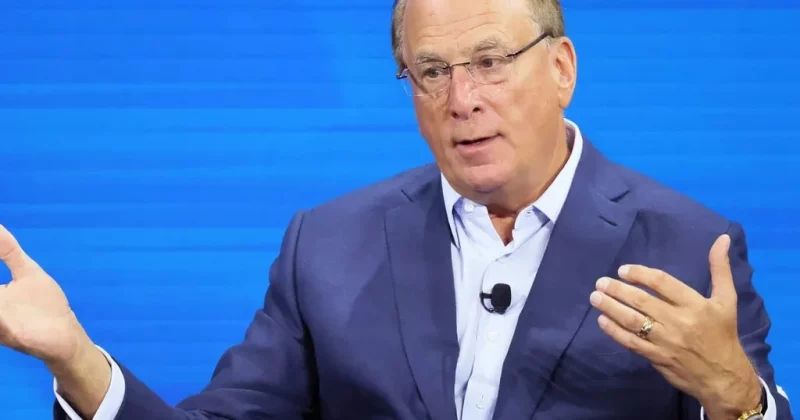
Larry Fink, the CEO of the world’s largest asset manager, has reportedly expressed optimism about investing in Venezuela following political changes in the country. The claim has circulated widely, painting a picture of BlackRock eyeing one of the most economically distressed nations on Earth as a fresh opportunity.
Here’s the thing: what Fink actually discussed during a recent BlackRock webinar tells a considerably different story. His remarks centered on geopolitical matters and the future of AI investments, not on any endorsement of Venezuelan opportunities.
What Fink actually said
During the webinar, Fink focused on sustainable AI investments and broader geopolitical stability, with a forward-looking lens aimed at potential stabilization by 2026. Venezuela, as a specific investment thesis, did not appear to be part of the conversation.
Venezuela’s economic reality check
Venezuela now represents just 0.01% of global GDP. For context, that’s a collapse from roughly 1.0% of global GDP fifty years ago. A hundredfold decline in relative economic weight is not a typo. It’s a catastrophe.
The country sits on the world’s largest proven oil reserves. But decades of mismanagement have gutted the nation’s production capacity to the point where it accounts for less than 1% of the world’s daily oil supply.
Revitalizing Venezuela’s oil infrastructure would require years of sustained investment and political stability. Global markets showed little reaction to recent US actions regarding Venezuela, underscoring the country’s diminished economic significance.
What investors should actually watch
The sanctions regime remains the most important variable. US policy toward Venezuela has shifted multiple times in recent years, with periods of relaxation followed by reimposition.
Oil production trends are the second key metric. Venezuela’s output would need to show a consistent upward trajectory over multiple quarters before serious capital would consider the risk-reward equation worthwhile. Going from less than 1% of global daily supply to anything meaningful would be a multi-year project at minimum.
Fink’s actual focus on AI and geopolitical macro trends is interesting on its own merits. It just doesn’t have much to do with Venezuela.

XIAOWTEK Wireless Earbuds, 2026 Bluetooth 5.4 Headphones Bass Stereo Ear Buds with Noise Cancelling Mic, LED Display in Ear Earphones 50H Playtime Ear Buds, IP7 Waterproof for Laptop Pad Phones White
$19.99 (as of September 22, 2026 03:23 GMT +00:00 - More infoProduct prices and availability are accurate as of the date/time indicated and are subject to change. Any price and availability information displayed on [relevant Amazon Site(s), as applicable] at the time of purchase will apply to the purchase of this product.)
Mott's Assorted Fruit Flavored Snacks, Made with Real Fruit Puree (40 Pack) | Gluten-Free, Gelatin-Free, Fat-Free, Made with Real Fruit & Veggie Puree, No Artificial Dyes, Excellent Source of Vitamin C
$7.97 (as of September 22, 2026 03:22 GMT +00:00 - More infoProduct prices and availability are accurate as of the date/time indicated and are subject to change. Any price and availability information displayed on [relevant Amazon Site(s), as applicable] at the time of purchase will apply to the purchase of this product.)
Bedsure Calming Dog Bed Medium Size Dog Donut Washable Pet Bed,30ins Camel | Oprah Daily Sleep Award,Fluffy Faux Fur Round Cuddler,Anti-Slip Bottom,Anti-Anxiety,Deep Sleep for Pets Up to 45 Lbs
$29.97 (as of September 22, 2026 03:10 GMT +00:00 - More infoProduct prices and availability are accurate as of the date/time indicated and are subject to change. Any price and availability information displayed on [relevant Amazon Site(s), as applicable] at the time of purchase will apply to the purchase of this product.)
Anowbo Cat Deterrent Spray, Cat Deterrent for Furniture Protection, Pee Spraying, Excessive Chewing & Scratching Everywhere, Cat Repellent Indoor and Outdoor, Pet-Safe Formula, 5.07 Fl Oz
$19.99 (as of September 22, 2026 03:10 GMT +00:00 - More infoProduct prices and availability are accurate as of the date/time indicated and are subject to change. Any price and availability information displayed on [relevant Amazon Site(s), as applicable] at the time of purchase will apply to the purchase of this product.)











Post Comment