Meta AI’s Alexandr Wang Reveals Shocking Health Tech Play That Could Leave Competitors in the Dust—Are You Ready?

So here’s a curveball Meta just pitched to the AI crowd: forget about flaunting the biggest, baddest model or launching the flashiest chatbot — their new playbook centers on keeping you, well, healthy. Believe it or not, Alexandr Wang, Meta’s Chief AI Officer, dropped this health-focused bombshell at the Bloomberg Tech conference in San Francisco on June 5. When you’re catering to billions, raw tech stats aren’t the trophy anymore; it’s all about delivering real-world value in everyday lives. That’s a bold pivot, right? Especially when everyone else’s got their eyes glued to the performance scoreboard. Wang points to Muse Spark — Meta’s health-savvy AI model — as proof their strategy’s paying off, even if it’s not quite outpacing ChatGPT or Claude just yet. But here’s the kicker: diving into health advice at scale isn’t a stroll in the park. One misstep could invite regulatory storm clouds dark enough to make Meta’s past privacy dust-ups look like a light drizzle. It’s a high-stakes gamble on a new frontier, and I’m itching to see how it all shakes out for investors, users, and the wider AI landscape. Curious? I thought so. LEARN MORE
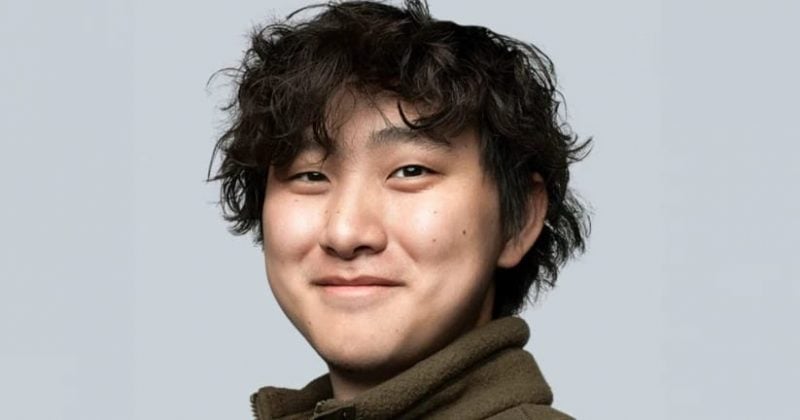
Meta’s top AI executive just told the world where the company plans to win the AI race. And it’s not by building the biggest model or the flashiest chatbot. It’s by keeping you healthy.
Alexandr Wang, Meta’s Chief AI Officer, used his appearance at the Bloomberg Tech conference in San Francisco on June 5 to make the case that health capabilities will be the defining feature of Meta’s next generation of AI models. When your platform serves billions of users, he argued, the way you stand out isn’t raw benchmarks. It’s practical value in people’s daily lives.
The Muse Spark play
Wang pointed to Meta’s Muse Spark model as early evidence that the health-first strategy is working. According to Wang, the model’s health-related capabilities have already exceeded internal expectations.
Wang was candid about the competitive reality. Muse Spark still trails behind elite models like Anthropic’s Claude and OpenAI’s ChatGPT on broader performance metrics.
Wang’s first year steering Meta’s AI ship
Wang took the helm as Meta’s Chief AI Officer in 2025, following Meta’s $14 billion investment for a 49% stake in Scale AI, the data labeling company Wang founded. That deal made him one of the youngest and most expensive hires in Big Tech history, and it gave Meta access to Scale AI’s data infrastructure, a critical ingredient for training competitive models.
Roughly one year into the role, Wang has overseen a portfolio of AI projects that extends beyond Muse Spark, including initiatives internally codenamed Mango and Avocado.
His emphasis on health at Bloomberg Tech also reflects CEO Mark Zuckerberg’s broader ambition to recover from earlier stumbles in Meta’s AI efforts. The company spent years watching OpenAI capture public imagination with ChatGPT while its own open-source Llama models earned respect from developers but struggled to translate into consumer products people actually used every day.
What this means for investors and the competitive landscape
The risk, predictably, is regulatory. Health advice sits in a uniquely sensitive category. One bad recommendation at scale, delivered to billions of users, could trigger regulatory scrutiny that makes Meta’s privacy battles look quaint by comparison.
For crypto-native investors and builders, Wang made no mention of digital assets or blockchain integration in his Bloomberg Tech remarks.

Medium Hass Avocado
(as of September 24, 2026 03:05 GMT +00:00 - More infoProduct prices and availability are accurate as of the date/time indicated and are subject to change. Any price and availability information displayed on [relevant Amazon Site(s), as applicable] at the time of purchase will apply to the purchase of this product.)
Cat Calming Diffuser with Advanced Pheromone Technology, 120 Days Plug in Diffuser for Multi Cat Home, Reduce Stress, Urine Spraying, Scratching, Hiding, Support Calm Behavior, 2 Diffusers, 4 Refills
$35.99 (as of September 24, 2026 03:11 GMT +00:00 - More infoProduct prices and availability are accurate as of the date/time indicated and are subject to change. Any price and availability information displayed on [relevant Amazon Site(s), as applicable] at the time of purchase will apply to the purchase of this product.)
Tevila Stainless Steel Cat Litter Box for Kitten, Kitty & Senior Cats Pan | Metal Litter Box , Open Top Low Entry Litter Pan, Non-Stick Easy Clean Anti-Scratch Kitty Cat Box for Indoor Cats, Single Pan
$18.99 (as of September 24, 2026 03:11 GMT +00:00 - More infoProduct prices and availability are accurate as of the date/time indicated and are subject to change. Any price and availability information displayed on [relevant Amazon Site(s), as applicable] at the time of purchase will apply to the purchase of this product.)
SUPERDANNY Extension Cord,Flat Plug Surge Protector Power Strip,10Ft | 8 AC & 4 USB Ports (2 USB C),Surge Protector with 1050J,Desk Charging Station for Home Office,College Dorm Room Essentials
$13.99 (as of September 24, 2026 03:14 GMT +00:00 - More infoProduct prices and availability are accurate as of the date/time indicated and are subject to change. Any price and availability information displayed on [relevant Amazon Site(s), as applicable] at the time of purchase will apply to the purchase of this product.)













Post Comment