Unlocking the Secret: How Smart Entrepreneurs Are Funding Restaurants Using Their 401(k) Without Losing Sleep

Thinking about opening a restaurant? Boy, it takes way more than just an irresistible menu and a prime spot on Main Street. The moment you start jotting down costs for equipment, interior buildouts, permits, payroll, and inventory, your startup expenses can skyrocket faster than you can say “bon appétit.” It’s a wild ride, and many hopeful restaurateurs find themselves scrambling to secure funds without getting buried under a mountain of debt right out of the gate.
Now, traditional loans aren’t exactly rolling out the red carpet—banks want spotless credit histories, collateral to drool over, and a business track record longer than a customer waitlist on Friday night. So, how does a first-timer or a franchise hopeful gain a firmer grip on their financing journey? Enter retirement-based funding. Yep, tapping into your own retirement savings through 401(k) business financing is a legit game-changer, offering a more direct line to capital without the usual hoops.
Startup Costs: The Pressing Early Puzzle
Before the clinking of glasses and the sizzle from the kitchen, restaurant owners confront a tsunami of expenses. Think commercial lease agreements, pricey kitchen gear, staff hiring—each one gnawing away at that initial pot of funds. And don’t kid yourself; even the coziest cafe demands a hefty upfront investment.
Most banks shy away from financing fresh eateries, wary of the industry’s notorious risks. They want detailed financial roadmaps, chunky down payments, and leaders with battle-tested management chops. Sure, some entrepreneurs snag partial funding, yet often that’s just not enough to cover all the bases.
What’s fascinating? Retirement-based funding sidesteps many of those old-school lending gates. If you qualify, you can channel those retirement dollars straight into your business—no middlemen playing gatekeeper.
Demystifying ROBS Financing for Restaurant Dreamers
ROBS, or rollover for business startups, might sound like finance jargon soup, but it’s actually a savvy workaround. It lets entrepreneurs funnel eligible retirement funds into their new ventures by rolling over money from, say, a 401(k), into a freshly minted retirement plan tied to their business.
Here’s the kicker—unlike early withdrawals that slap you with taxes and penalties, a well-structured ROBS deal dodges those pitfalls. That’s clutch if you’re aiming for a hefty chunk of startup cash but still want to keep your long-term financial flexibility intact.
Loads of restaurant owners combine 401(k) business financing with other capital tools like SBA loans or equipment financing. It’s like having multiple slices of the funding pie, boosting your freedom to grow or launch on your terms.

Why Franchise Eateries Often Woo ROBS Funding
If you’ve ever dreamed about stepping into a franchise restaurant, retirement funding might be your secret weapon. Franchises tend to rack up steep upfront bills—think franchise fees, brand-specific equipment, and those must-have renovations. Not to mention many require you to have a tidy nest egg liquid and ready before you even get the keys.
Owning a franchise is attractive for many reasons: operational support, established brand power, and tried-and-true systems. Still, lenders expect deep pockets for down payments. A ROBS setup can beef up your financial stance when negotiating loans. It’s an eye-catching way to flip your retirement stash into restaurant ownership without dragging along the usual heavy debt chains.
Keeping More Cash Flowing in Restaurant Hands
Nothing strangles a fledgling restaurant’s vibe quicker than hefty monthly debt dues. Early days mean uneven income and nonstop efforts to lock down the best staff, marketing mojo, and loyal customers. Those big loan payments? They can throw a serious wrench in the works.
Retirement-financed cash lets some entrepreneurs sidestep the high-interest borrowing trap. Without those looming debt collectors poking their noses in, owners can steer funds toward what really counts: keeping the kitchen buzzing, the team happy, and growth engines revving.
Flexibility is gold because the restaurant world is full of curve

Pipishell Full Motion TV Wall Mount for Echo Show 21/15 and 13-43 Inch Flat Curved Screen TVs & Monitors, Max VESA 200x200mm up to 44lbs, TV Mount Wall Bracket with Rotation Swivel Tilt Extension
$15.98 (as of September 21, 2026 03:12 GMT +00:00 - More infoProduct prices and availability are accurate as of the date/time indicated and are subject to change. Any price and availability information displayed on [relevant Amazon Site(s), as applicable] at the time of purchase will apply to the purchase of this product.)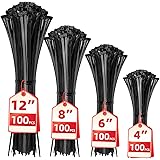
Cable Zip Ties,400 Pack Black Assorted Sizes 12+8+6+4 Inch,Multi-Purpose Self-Locking Nylon Cable Cord Management,Plastic Wire Ties for Home,Office,Garden,Workshop. By HAVE ME TD
$6.99 (as of September 21, 2026 03:12 GMT +00:00 - More infoProduct prices and availability are accurate as of the date/time indicated and are subject to change. Any price and availability information displayed on [relevant Amazon Site(s), as applicable] at the time of purchase will apply to the purchase of this product.)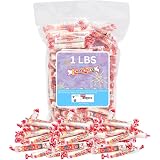
Smarties Candy Bulk Rolls Original Flavor, Gluten & Vegan Free, Classic Sweetness from Family Owned Company Since 1949, Peanut-Free & Dairy-Free, Perfect Halloween, 1 lb Bag
$9.99 (as of September 21, 2026 03:22 GMT +00:00 - More infoProduct prices and availability are accurate as of the date/time indicated and are subject to change. Any price and availability information displayed on [relevant Amazon Site(s), as applicable] at the time of purchase will apply to the purchase of this product.)
IQBAR Clean High Protein Snack Bars, Low Sugar Keto, Chocolate Variety 12ct | Low Carb, Gluten Free, Dairy Free, Soy Free, Vegan | Plant Based Protein, High Fiber, Pre & Post Workout, Breakfast Fuel
$24.99 (as of September 21, 2026 03:22 GMT +00:00 - More infoProduct prices and availability are accurate as of the date/time indicated and are subject to change. Any price and availability information displayed on [relevant Amazon Site(s), as applicable] at the time of purchase will apply to the purchase of this product.)












Post Comment