Bald Kings Unite: The Surprising Secret Behind Their Unstoppable Confidence and Power Revealed!
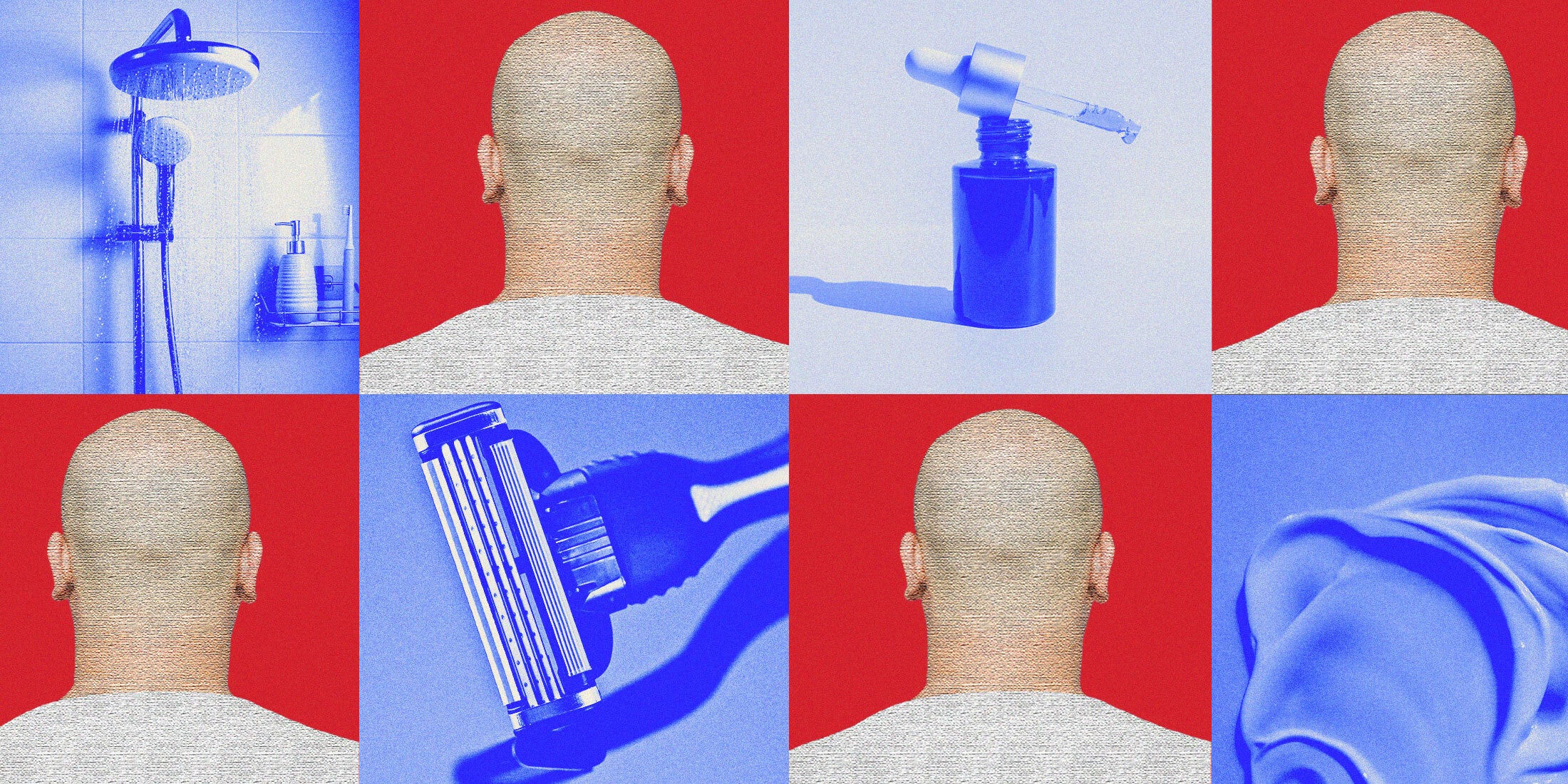
Ever stopped to wonder what really happens when you ditch the hair and go full chrome dome? Spoiler alert: It’s not just about looking sharp or saving time in the morning. I’m Bob Gearing, aka “Beauty Bob,” and when I took the plunge during the chaos of COVID—armed with nothing but an old beard trimmer—I quickly learned that a shaved head brings a whole new set of skin game challenges. Pimples, irritation, rogue ingrowns… yep, the scalp has its own drama. But here’s the kicker: your scalp is skin, just like your face, and it deserves the same attention. So, if you’ve recently joined the bald brigade or are just curious about scalp care beyond the shave, stick with me. Let’s get that dome looking dialed-in and irritation-free—because nobody handed us a manual on this. Ready to treat your scalp right? LEARN MORE
 6 min read
Hi, I’m Bob Gearing or, as my buddies like to call me, “Beauty Bob.” By day, I’m a well-SPF’d tech sales bro; by night, I’m a red-light mask guy who definitely didn’t think he’d care this much about skincare. Every month, I’ll be coming at ya with a real-guy perspective on beauty and grooming because, uh, nobody really taught us about this stuff. Questions? Hit me up @beautybob.
SO YOU’VE DECIDED to take the leap: Instead of hopping on the next flight to Turkey or foaming your dome 2x a day with Rogaine, you’re going to start shaving your head. Maybe you’ve even been digging into Reddit’s r/bald where dudes hype each other up to lose those remaining patches of hair and shave their heads for the first time. (It’s actually an amazing community, btw.) Whatever brought you here, welcome to the crew. LFG!
When I started shaving my head, it was the heart of COVID. Barbershops were closed, my hairline wasn’t exactly trending in the right direction, and the only tool I could find was an old beard trimmer. It had been almost 20 years since I’d shaved it, but once I did, I kind of loved it. It looked sharper, took about 90 seconds to maintain, and Katie, my wife, was immediately on board.
But once the hair was gone, a few things showed up that I hadn’t really thought about before. Pimples. Red, bumpy irritation. The occasional ingrown. And I’m definitely not alone. In fact, “scalp acne” searches on TikTok are up over 650 percent year over year (via market research platform Spate), which tells you everything you need to know. So how do you truly take care of your scalp?
“Asking what to use on your scalp is a common question I hear regularly in my office,” says Heather Woolery-Lloyd, MD, a board-certified dermatologist in Miami. “Our scalp is skin, just like our face. We want to promote a healthy environment.”
Here’s how to keep your dome looking nice and protected based on common skin issues.
If You’ve Got Scalp Irritation
The most common issue guys run into after shaving their head is folliculitis–those little red bumps you see that show up a day or two after a shave. It happens when hair follicles get irritated or inflamed usually because you pressed too hard, used a dull blade, or shaved dry. It’s the issue I deal with the most.
The first fix is mechanical: shave smarter. Dermatologists recommend shaving the direction of hair growth, which is typically downward. You won’t get quite as close of a shave, but it significantly lowers the risk of irritation, ingrowns, and folliculitis.
The second fix is the type of shampoo you’re washing with. “If you have a completely shaved head, you also want to use a cleanser that’s gentle,” says Dr. Woolery-Lloyd. “Old-school shampoos are really designed to remove buildup from hair and might be a little bit harsh on a scalp with very short hairs or no hairs.”
Dermatologists often recommend shampoos that are pH-balanced, meaning they’re closer to the skin’s natural range (about four to six). Most brands don’t list pH on the bottle, so the easier rule is this: If it’s marketed as gentle or safe for daily use, it’s usually formulated to be less irritating. Ingredients like ceramides or glycerin help prevent that tight, stripped feeling. Even a good two-in-one can work here because it’s less aggressive by design.
On days I shave, I’ll often run a little conditioner over my scalp after washing. It sounds counterintuitive, but it helps soothe the skin and restore moisture after a shave. When I do see flare ups, hypochlorous acid is so helpful. A quick mist after shaving or after a sweaty day in a hat calms redness fast and keeps small irritations from turning into a Situation.
If You’ve Got Scalp Ingrowns
Ingrowns are different from simple razor irritation. They happen when freshly-cut hair curls back into the skin instead of growing outward. Your body reacts, and you get a swollen, sometimes painful bump. “It’s much less likely with the electric razor,” explains Dr. Woolery-Lloyd. “It’s not as close of a shave, so it’s not likely to cause ingrown hairs or as much shaving irritation as a metal razor blade.”
I prefer to use electric clippers for this exact reason. It’s not quite as glassy smooth, but I rarely deal with ingrowns. For me, that’s a trade I’ll always take. If you’re using a blade, though, keep it simple: Shave with the grain, never shave dry, and replace dull blades every five to six shaves.
If You’ve Got Scalp Flakes
Flakes don’t mean you’re dirty–they usually mean your scalp’s chemistry is off. Dandruff is driven by oil, inflammation, and the scalp’s natural microbiome getting out of sync. The fix isn’t scrubbing harder. Start with a gentle cleanser and keep your scalp hydrated with a lightweight moisturizer or scalp serum after showering. If flakes stick around, rotate in a medicated wash (I like CeraVe Anti-Dandruff) with ingredients like zinc pyrithione or ketoconazole, which target the yeast that contributes to dandruff.
Occasional exfoliation helps too. A mild chemical exfoliant or scalp scrub two to three times per month clears buildup and keeps flakes from coming back. Apply it before shampooing, let it sit for a few minutes, then wash it out like normal. If you’ve got thick scales, spreading redness, or itching that won’t quit, that’s a dermatologist conversation. Make an appointment.
If You’ve Got Scalp Spots
Once you’ve made the shave, your scalp is fully exposed to UV, making it one of the most common areas men develop skin cancer. That means SPF is even more of a non-negotiable (ideally SPF 30 or higher). Every day. Reapply if you’re outside more than two hours. Don’t forget your ears—including the folds. Most days, I’ve got a hat on too. It’s not a replacement for SPF, but an easy extra layer—especially on the golf course, where I’m usually in a bucket hat.
It’s also never too late to start. Dr. Woolery-Lloyd has seen patients regularly need precancerous spots treated until they finally commit to daily sunscreen—at which point their skin noticeably improves. And if something looks off, don’t wait. A sore that’s not healing, a new mole, anything changing—get it checked.
My Bald Scalp Routine
Now, maybe none of this applies to you. Maybe you’ve got a flawless dome and no bumps, flakes, or mystery spots. Honestly, most days I don’t deal with much either. But once you shave your head, your scalp becomes part of the look. So here’s the simple routine I follow to keep it that way.

The author.
Step 1: Shampoo & Conditioner

This removes sweat and buildup without drying your scalp out, which is key when you’re shaving your head regularly. It also sets your skin up for whatever you put on next. If your scalp runs dry—more common with coarser or curlier hair textures—this type of formula is a smart move.
Step 2: The Shave

Now 17% Off
My weapon of choice: Philips Norelco Head Shaver Pro 7000. If you’re prone to bumps, an electric razor is definitely the move. The Head Shaver Pro takes me about five minutes, I run it every three to four days, and irritation is basically non-existent. The design also makes the back of your head easy to reach, which means I’m no longer asking my wife, “Did I miss a spot?”
Start with a clean, fully dry scalp. Go with the grain. Light pressure. Slow passes. Clean the tool after every use. Finish with a cool rinse. Pat dry. No rubbing. If you prefer a blade (a personal preference, and closer shave, but not my #1 choice!) grab for a Harry’s Plus. To do this, shower first. Warm water softens hair. Use pre-shave oil if you run dry, then a translucent gel or cream. Shave with the grain. Short strokes. Don’t press. Rinse the blade often. Cool rinse. Pat dry.
Step 3: Moisturizer

This is the first thing I use right after I shave and get out of the shower. It’s lightweight, absorbs fast, and gives your scalp an immediate hit of hydration without feeling greasy. Look for ingredients like glycerin, which help pull moisture into the skin. I’m not using this to regrow hair. I’m using it to keep the skin on my scalp hydrated and balanced.

This is my follow-up after the scalp serum. I use this when I want my skin to feel dialed-in and hydrated without overthinking it. It sinks in fast, feels legit (not watery, not heavy), and leaves my scalp smooth after a shave without that greasy, sweaty feeling most creams give me.
Step 4: Sunscreen

This should be one of your go-tos. It’s lightweight, sinks in fast, and doesn’t leave the scalp greasy—even as a third layer. I stick with SPF 50 and use it daily. This is the step that protects your skin long-term.
Step 5: Scalp Vigilance
Book your annual skin check and don’t ignore a sore that doesn’t heal, a new or changing mole, and persistent scaly or crusty patches. If something looks new or weird, see a dermatologist. Earlier is easier.

Bob Gearing is a New York-based writer covering men’s grooming from the perspective of a very real (and very sweaty) dude. By day, he’s a well-SPF’d tech sales bro; by night, he’s a red-light mask guy who definitely didn’t think he’d care this much about skincare. When he’s not testing the latest face serum, you’ll find him sweating through a round of golf or holding out hope that the Lions will make the Super Bowl before he dies.
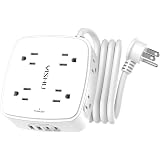
YISHU 6Ft Surge Protector Power Strip with 8 Widely Outlets & 4 USB Ports | 3 Side Outlet Extender with 6 Feet Extension Cord, Flat Plug, for Home, Office, College Dorm Room Essentials
$9.98 (as of September 20, 2026 03:12 GMT +00:00 - More infoProduct prices and availability are accurate as of the date/time indicated and are subject to change. Any price and availability information displayed on [relevant Amazon Site(s), as applicable] at the time of purchase will apply to the purchase of this product.)
Nespresso Capsules Vertuo, Variety Pack, Medium and Dark Roast Coffee, 30 Count Coffee Pods, Brews 7.8 oz.
$42.00 (as of September 20, 2026 03:04 GMT +00:00 - More infoProduct prices and availability are accurate as of the date/time indicated and are subject to change. Any price and availability information displayed on [relevant Amazon Site(s), as applicable] at the time of purchase will apply to the purchase of this product.)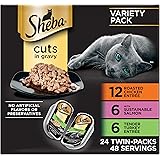
Sheba Perfect Portions Cuts Wet Cat Food, Multipack, 2.6 oz, 24 ct | Chicken, Salmon & Turkey cuts in gravy, grain-free, protein-rich, no corn/soy, essential vitamins & minerals, twin-pack trays
$27.96 (as of September 20, 2026 03:04 GMT +00:00 - More infoProduct prices and availability are accurate as of the date/time indicated and are subject to change. Any price and availability information displayed on [relevant Amazon Site(s), as applicable] at the time of purchase will apply to the purchase of this product.)
Frito-Lay Fun Times Mix Variety Pack, 40 Count
$22.43 (as of September 20, 2026 03:04 GMT +00:00 - More infoProduct prices and availability are accurate as of the date/time indicated and are subject to change. Any price and availability information displayed on [relevant Amazon Site(s), as applicable] at the time of purchase will apply to the purchase of this product.)














Post Comment