The Hidden Peril Behind Booming AI Data Centers: What Every Investor Must Know Before It’s Too Late
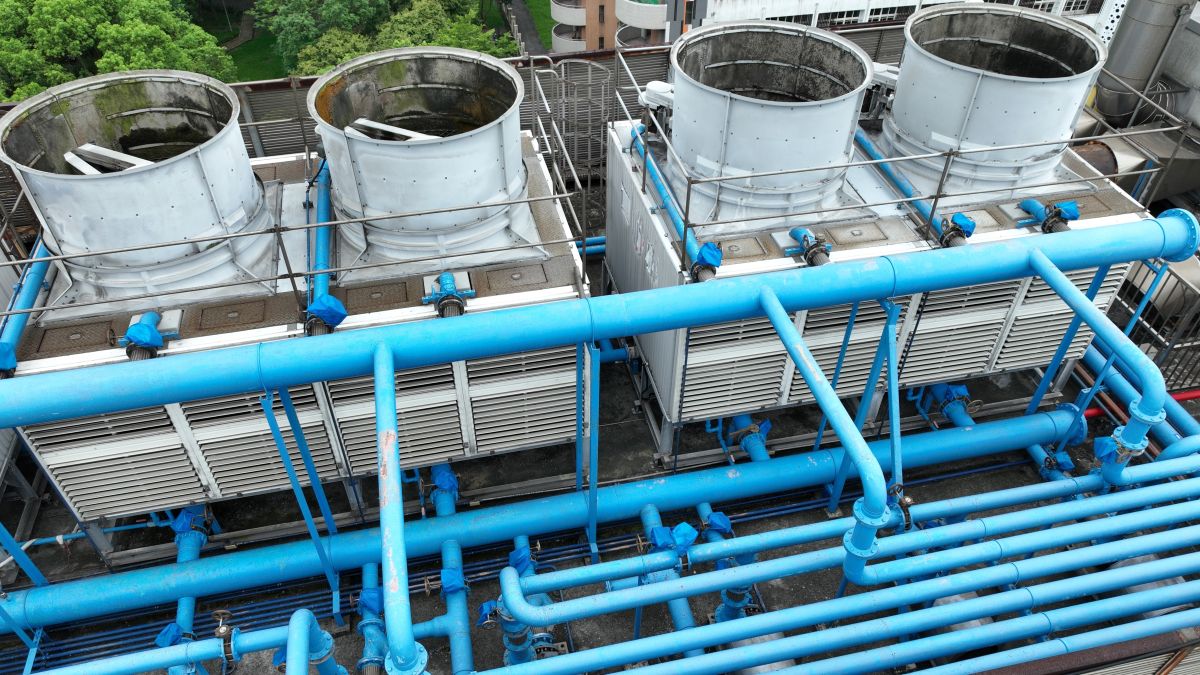
Isn’t it ironic? Everyone’s scrambling for the next big leap in AI, yet the hulking data centers fueling this revolution are turning into the unwanted party guests nobody asked for. You might think this is just technophile grumbling—but dig a little deeper into securities filings and court documents, and you’ll see a creeping tide of resistance dripping from those pages. Data centers are becoming legal lightning rods, tangled in increasing climate-related lawsuits that spotlight environmental and community risks like never before.
A fascinating report out of the London School of Economics shines an unflinching light on this trend: in 2025 alone, 249 new climate cases hit the courts, pushing an already staggering tally beyond 3,600 since the mid-80s. From California’s insistence on renewable power for these energy guzzlers to New Jersey residents suing over the persistent drone of low-frequency noise, the battles are as varied as they are telling. Even Elon Musk’s xAI data center finds itself under fire, with the U.S. government stepping into a courtroom drama that questions the very enforcement of environmental laws.
Public companies are no longer shy about waving red flags in their filings, warning investors that community opposition, regulatory holdups, and litigation could throw a wrench into the works—and these warnings stretch well beyond Silicon Valley giants to manufacturing and infrastructure players tied to the AI boom. Add to that a brewing public sentiment that’s increasingly skeptical, with nearly half of respondents backing a halt on new data center construction, and you have a combustible mix of innovation versus infrastructure backlash.
As we race to crown the U.S. the “AI Capital of the World,” this friction couldn’t be more real—or more urgent. The takeaway? If your business or investments heavily lean on AI infrastructure, it’s high time to factor in these evolving risks—operational, regulatory, environmental, and yes, even community-driven—that could shape the road ahead in surprising ways. Ready to unpack this complex dance between AI ambition and data center dissent?
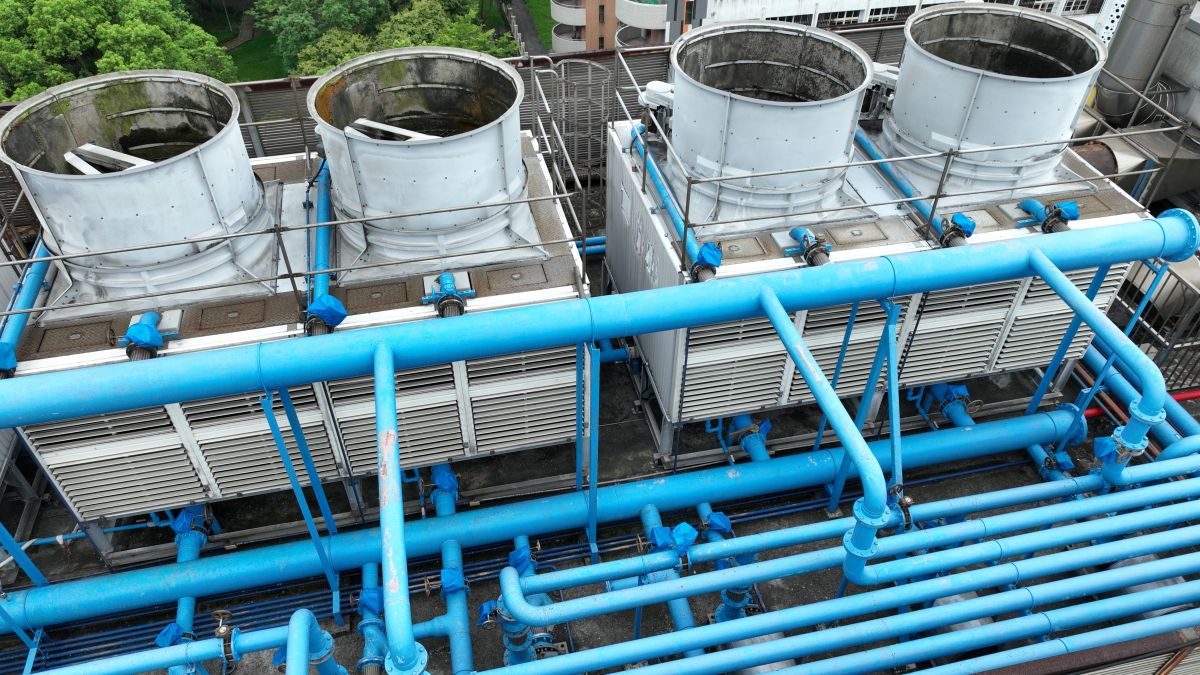
Everybody wants the AI, nobody wants the data center. That may be an oversimplification, but if you read enough securities filings (as we love to) or litigation dockets, you start to realize it’s only a slight one. The opposition to data centers that you may feel in the zeitgeist is bleeding through into risk-factor sections and legal complaints.
A new report from the London School of Economics finds that data centers have become a growing target of climate-related legal cases worldwide. The numbers behind it are striking: 249 new climate cases filed in 2025, pushing the total past 3,600 since 1986, with the U.S. still the busiest jurisdiction by a wide margin. Data centers are increasingly involved in those filings, and it’s not only household-name tech companies that are facing legal challenges.
Those suits come at the problem from several directions. In California, the city of Pittsburg was ordered to require a data center to run on renewable power and recycled cooling water. In New Jersey, residents have brought a class action claiming a data center’s persistent low-frequency hum is a nuisance—an old tort theory applied to very new infrastructure. In Georgia and Pennsylvania, environmental groups are challenging state approvals of fossil fuel infrastructure tied to data centers. And in North Carolina, neighbors are fighting the rezoning of roughly 1,800 acres for a data center campus based on an argument about process.
One case has attracted significant attention because it involves Elon Musk’s xAI. But it’s the government’s response as much as the defendant’s identity that’s drawing attention. In the dispute, the NAACP sued over gas-fired turbines powering a Memphis-area facility, alleging Clean Air Act violations and cancerous pollution. In its request for a dismissal, the Department of Justice argued that the facility is critical to the Department of War, noting that Grok was used in military operations against Iran. DOJ also argued that private citizen suits under the Clean Air Act raise constitutional questions, an argument that, if accepted by the courts, could significantly affect how environmental laws are enforced.
While xAI fights in court, public companies are writing anti-data center risk into their filings, and not just the tech titans you might expect. Power-equipment maker DPC Holdings warned in a June prospectus that delays from “grid availability, environmental permitting or other constraints” could dent demand for its turbines, tying its own fortunes to data center buildouts. Stratcap Digital Infrastructure was blunter still, telling investors that “community opposition, litigation or permitting delays” could slow or kill its projects outright. Space Exploration Technologies also flagged the legal-and-contingencies angle in its final prospectus.
Public opinion suggests these concerns extend well beyond the courtroom. In one poll, nearly half of respondents backed a temporary moratorium on new data center construction, with only 16% opposed. And the pressure is building even as projects themselves get waved through: Reuters found that permitting for certain gas-fired power projects supporting AI infrastructure has accelerated, with federal and state agencies in Ohio, Texas, and Utah seeking to fast-track approvals as part of efforts to make the United States “the AI Capital of the World.” FERC, meanwhile, took action more aligned with public sentiment in adopting guidelines that push grid operators to disclose how data center costs affect consumer bills, among other things.
The practical takeaway is that AI-related disclosures may increasingly need to address not only the benefits of AI adoption, but also the operational, regulatory, environmental, and community risks associated with the infrastructure that supports it. Companies with meaningful exposure to AI infrastructure may want to consider whether these evolving risks are adequately reflected in their disclosures and enterprise risk assessments.
—
Want faster, smarter insights into SEC filings and disclosures? Request a free trial of Intelligize+ AI™ and see what you’ve been missing.

Hint Flavored Water Zero Sugar 0 Calories - Best Sellers Variety (12 pack) | Crisp, refreshing water, fruit flavors. 0 calories, 0 sugar, 0 sweeteners. Hydration for wellness. Gluten-free, Kosher, Vegan
$11.46 (as of September 6, 2026 03:01 GMT +00:00 - More infoProduct prices and availability are accurate as of the date/time indicated and are subject to change. Any price and availability information displayed on [relevant Amazon Site(s), as applicable] at the time of purchase will apply to the purchase of this product.)
Leveret Kids & Toddler Pajamas Matching Doll & Girls Pajamas 100% Cotton Pjs Set Variety of Style (Size 2-14 Years)
$17.49 (as of September 6, 2026 03:08 GMT +00:00 - More infoProduct prices and availability are accurate as of the date/time indicated and are subject to change. Any price and availability information displayed on [relevant Amazon Site(s), as applicable] at the time of purchase will apply to the purchase of this product.)
Viper Biothane K9 Working Dog Leash Waterproof Lead for Tracking Training Schutzhund Odor-Proof Long Line with Solid Brass Snap for Puppy Medium and Large Dogs 6ft, Black
$28.99 (as of September 6, 2026 03:08 GMT +00:00 - More infoProduct prices and availability are accurate as of the date/time indicated and are subject to change. Any price and availability information displayed on [relevant Amazon Site(s), as applicable] at the time of purchase will apply to the purchase of this product.)
Sony WH-CH520 Wireless On-Ear Bluetooth Headphones with Microphone, Black | Comfortable Lightweight Design, Up to 50 Hrs Battery with Quick Charging, Multipoint Connection, Clear Calls, Swivel design
(as of September 6, 2026 03:08 GMT +00:00 - More infoProduct prices and availability are accurate as of the date/time indicated and are subject to change. Any price and availability information displayed on [relevant Amazon Site(s), as applicable] at the time of purchase will apply to the purchase of this product.)










Post Comment