How Pamela Quinn’s Unconventional Leadership at Primeline is Shaping the Future of the Industry—And What It Means for You
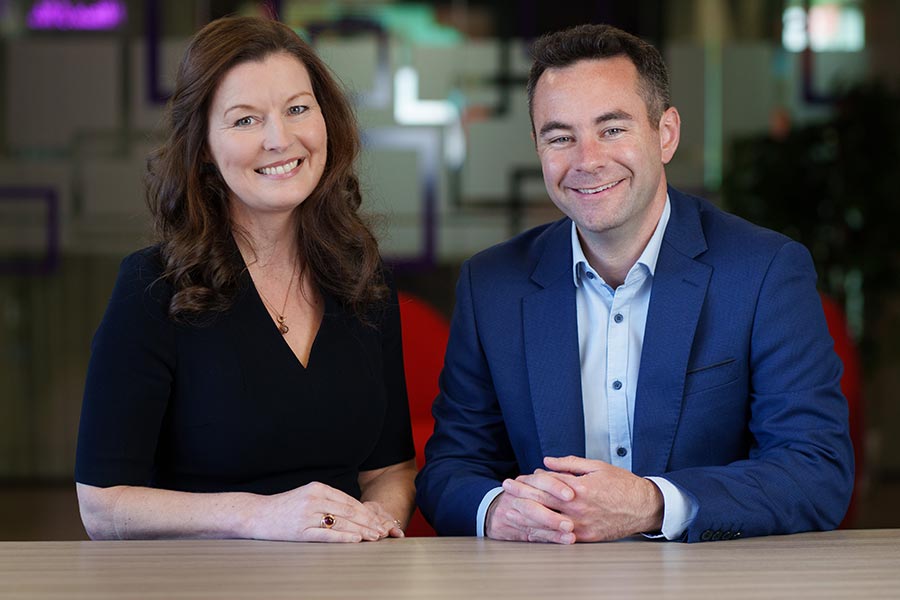
Ever wondered what really sets a manager apart from a leader? It’s a question that’s been on my mind more than once, and Pamela Quinn’s journey shines a spotlight on this very distinction. She didn’t stumble upon leadership overnight; instead, she evolved by embracing feedback, fostering self-awareness, and shedding the stubbornness we all wrestle with at some point. It’s fascinating how she navigated this transformation — not by merely managing tasks, but by inspiring and collaborating with her team, all while keeping a laser focus on what truly moves the needle. Her story is a masterclass in how deliberate choices, honest communication, and a willingness to pivot can turn good intentions into award-winning leadership. If you’ve been caught juggling too many fires or struggling with that elusive leadership edge, Pamela’s insights will make you rethink your approach — and maybe even change the game.
“I went from being a manager to a leader, and I recognise the very key difference between the two” – Pamela Quinn
Who or what has most influenced your leadership style?
My leadership style has been influenced most by the people I’ve led. So, rather than one particular figure over the years of managing different people, I definitely got the most from [all] their feedback, what was effective, what wasn’t effective.
Through that I suppose [I learned] self-awareness and the ability to ask the questions. I really like feedback. I think it’s really important and I adapted my leadership style accordingly. [I] kept tweaking it until I found a style that was core, and then always still [remained] open to further tweaks.
How would you describe your leadership in three words?
Driven, focused and collaborative.
How has your approach to leadership evolved over the years?
It has evolved a lot. I always say my biggest learnings [were] around being super-self-aware and accepting that I had to change. I was always quite a stubborn person in my early career. I would suggest I was quite closed off to feedback, not consciously, and very much in hindsight. I looked back, and as soon as I really looked myself in the mirror, the door opened to a whole different way of working.
Then I really began to enjoy feedback, and that really helped me evolve my style. I also went from being a manager to a leader, and I recognise the very key difference between the two over the course of my career. Now I would firmly say that I lead rather than manage.
What’s the best leadership advice you’ve ever received?
It has definitely been to not have too many fires burning at once. I got told it quite early in my career. I guess I was quite enthusiastic to get things done, quite eager to get lots of things done, and I didn’t really think through the consequences of some of my actions.
So what I’ve learned over time is I’m very deliberate with what I tackle when I tackle it, and I really think it through, and I prepare for all the possible consequences. The last thing you want to do is have 20 problems all going at the same time, and you’re getting nowhere quick. So I’m much more deliberate, and still work at a good pace, but I open, close the issues, and move on.
How do you handle managing up?
I manage upwards through being myself. I’m not a person who tells my leader above me what they want to hear. I’m very honest, I’m to the point. I use facts, and that usually engages us in quite a good conversation, sometimes about the wider organisation.
Then they actually start asking me for advice, so it’s really good. I believe in being honest and saying it as it is, and I certainly respect that for people feeding up into me.
What kind of a workplace culture do you aim to foster?
I like a situation where people are comfortable to suggest different things, where they can challenge the status quo, where they ask lots of questions, where they are thinking ahead and being innovative if they want to be innovative, entrepreneurial, that type of environment where it’s exciting while still remaining within perhaps a company strategy that you’re doing.
What’s your approach to making tough decisions?
I think there are three factors to making tough decisions: intuition, experience and facts. The pandemic was a great example where there was no experience to lean on. I think I just apply logic.
And what are your plans for the next couple of months?
I have just started in a new role, and I’m very focused on creating a new strategy for the business.
What’s been your proudest moment?
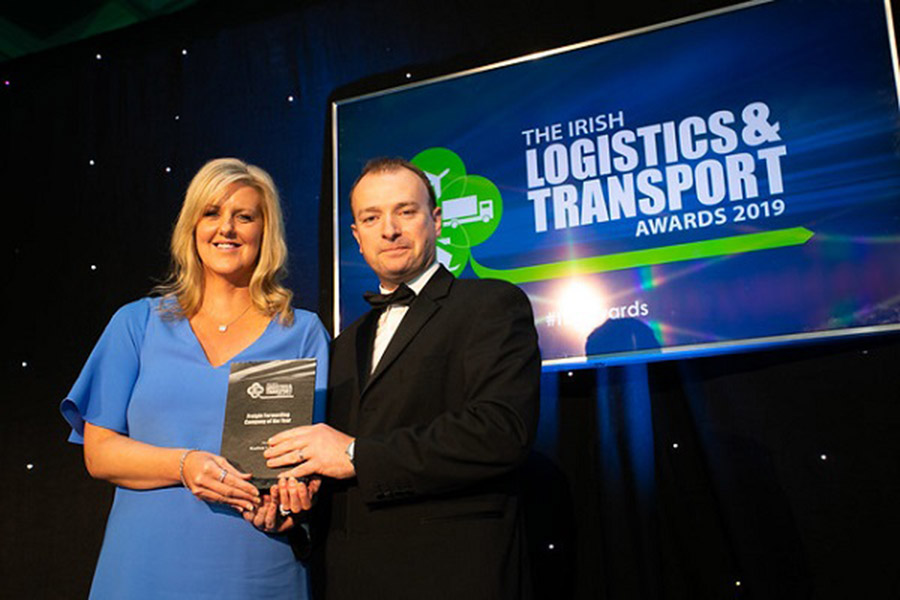
My proudest moments in my career [are] probably linked [to] awards. The first was in 2016 when I won [the] Image Business Woman of the Year award. I felt like that gave me public recognition but also for me personally, recognition that I was doing something right as a leader. So I was really super-proud of that. Three years later I got the Great Place to Work Institute’s Most Trusted Leader in Ireland award, and I was super-proud of that because it came directly from the voice of our employees, the voice of the people that worked in the organisation. It was a really nice way to say we trust you, that you’ve got this and you’re doing a good job.
What advice would you give to business leaders navigating uncertain economic conditions?
Always go back to the core of what the business is and what the service offerings are. It’s very easy to get caught up in the economic part, and I used to always look at it and decide, does the economy decide our business or do we decide our business?

It’s important that you remain the driver of your own business, despite economic conditions.
Also, have the ability to pivot with your team and not be afraid to do so. I’ve done [that] so many times, you know. You think you’re going on track A, and something happens, you pivot and you’d be surprised. Sometimes it works out better.
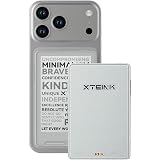
XTEINK X3 eBook Reader (Developer Edition), 3.7" Pocket E-Ink eReader, Ultra-Thin 0.2", 2 oz, Magnetic-Ready Pogo-Pin Charging, Gyroscope Page-Turn, Distraction-Free Reading, 16GB, Mist Gray
(as of July 12, 2026 03:00 GMT +00:00 - More infoProduct prices and availability are accurate as of the date/time indicated and are subject to change. Any price and availability information displayed on [relevant Amazon Site(s), as applicable] at the time of purchase will apply to the purchase of this product.)
Core Power Protein Shake, Chocolate, 26g Bottle, 14oz, 12 Pack
(as of July 12, 2026 02:45 GMT +00:00 - More infoProduct prices and availability are accurate as of the date/time indicated and are subject to change. Any price and availability information displayed on [relevant Amazon Site(s), as applicable] at the time of purchase will apply to the purchase of this product.)
GORILLA GRIP SoakSTOPPER Dog Door Mat, Machine Washable Rug Absorbent Doormat Captures Moisture Mud Dirt, Quick Dry Soft Chenille Entryway Rugs Indoor Entrance Mats for Dog Paws, 24x17 Grey
(as of July 12, 2026 02:51 GMT +00:00 - More infoProduct prices and availability are accurate as of the date/time indicated and are subject to change. Any price and availability information displayed on [relevant Amazon Site(s), as applicable] at the time of purchase will apply to the purchase of this product.)
Earth Rated Pet Wipes for Dogs and Cats, Hypoallergenic, 3-in-1 Cleaning, Deodorizing and Hydrating, for Grooming Paws, Body and Butt, Unscented, 100 Count
$9.98 (as of July 12, 2026 02:40 GMT +00:00 - More infoProduct prices and availability are accurate as of the date/time indicated and are subject to change. Any price and availability information displayed on [relevant Amazon Site(s), as applicable] at the time of purchase will apply to the purchase of this product.)











Post Comment