Strait of Hormuz on Edge: Iran’s Bold Strike on Cargo Ship Sends Shockwaves Through Global Trade and Defies US Ultimatum—What Investors Must Know Now
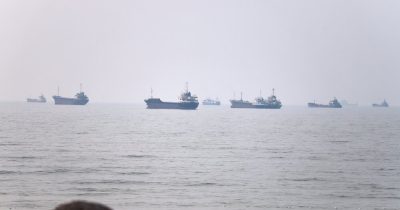
Sometimes it feels like the Strait of Hormuz isn’t just a narrow waterway but the world’s most high-stakes chessboard—and guess what? The latest move by Iran, striking the Singapore-flagged cargo ship Ever Lovely, has sent shockwaves across this already volatile region. You might wonder, how does a single strike upend months of delicate ceasefire agreements and ongoing diplomatic talks in Oman? Well, in this tangled web of military muscle and market jitters, that hit isn’t just a bullet—it’s a gut punch to both peace efforts and investor confidence. With escalating tit-for-tat actions and the U.S. branding these aggressions as terrorism, nobody’s quite sure if calm waters will return by the end of August, or if we’re in for a storm that rattles global markets and maritime traffic alike. Buckle up, because this saga is far from over—and you’ll want to keep an eye on what happens next. LEARN MORE

Iran has struck a Singapore-flagged cargo ship, the Ever Lovely, in the Strait of Hormuz, escalating tensions in a region already fraught with military confrontations. This attack defies a recent ultimatum from the United States and violates a ceasefire agreement that was part of a memorandum of understanding signed in mid-June between President Trump and Iranian leaders. The incident highlights ongoing conflicts, as it occurred despite diplomatic efforts underway in Oman to mediate between the two nations. The U.S. has labeled such aggressive actions as acts of terrorism, further complicating the fragile peace process.
The incident has had an immediate impact on markets related to the Strait of Hormuz, particularly those concerning the normalization of maritime traffic by the end of August. Market participants have reacted by reducing the likelihood of a YES outcome, suggesting increased skepticism that traffic will return to normal levels by August 31, 2026. This development follows a pattern of escalating actions and retaliations, which have seen U.S. forces targeting Iranian military assets in response to previous strikes on commercial shipping.
Key Takeaways
- Markets suggest that Iran’s attack on the cargo ship decreases the probability of Strait of Hormuz traffic normalizing by August 31.
- The recent escalation and tit-for-tat military actions have led to a reduction in YES odds on related prediction platforms.
- Diplomatic efforts are ongoing in Oman, but the situation remains tense with potential for further conflict.
What to Watch
Observers will be closely monitoring any announcements from Iran’s Presidency or the U.S. regarding potential resolutions or further escalations. A key indicator will be whether diplomatic talks in Oman lead to any concrete agreements that could ease tensions. Additionally, updates on maritime traffic status and any changes to the current closure of the Strait will be crucial in assessing future market movements. As the situation develops, market pricing will likely continue to react to any new military or diplomatic actions.
Get live prediction-market analysis, powered by Vera. Sign up for Vera.

Zip Ties Assorted Sizes(4”+6”+8”+12”), 400 Pack, Black Cable Ties, UV Resistant Wire Ties by ANOSON
(as of July 12, 2026 02:54 GMT +00:00 - More infoProduct prices and availability are accurate as of the date/time indicated and are subject to change. Any price and availability information displayed on [relevant Amazon Site(s), as applicable] at the time of purchase will apply to the purchase of this product.)
Pur Luv Chicken Jerky Dog Treats, Made with 100% Real Chicken Breast, 16 Ounces, Healthy, Easily Digestible, Long-Lasting, High Protein, Satisfies Dog's Urge to Chew
$11.98 (as of July 12, 2026 02:40 GMT +00:00 - More infoProduct prices and availability are accurate as of the date/time indicated and are subject to change. Any price and availability information displayed on [relevant Amazon Site(s), as applicable] at the time of purchase will apply to the purchase of this product.)
Apple EarPods Headphones with USB-C Plug, Wired Ear Buds with Built-in Remote to Control Music, Phone Calls, and Volume
(as of July 12, 2026 02:54 GMT +00:00 - More infoProduct prices and availability are accurate as of the date/time indicated and are subject to change. Any price and availability information displayed on [relevant Amazon Site(s), as applicable] at the time of purchase will apply to the purchase of this product.)
JBL Tune 510BT - Bluetooth headphones with up to 40 hours battery, microphone for call, foldable and comfortable, Android and iOs compatible (Black)
(as of July 12, 2026 02:54 GMT +00:00 - More infoProduct prices and availability are accurate as of the date/time indicated and are subject to change. Any price and availability information displayed on [relevant Amazon Site(s), as applicable] at the time of purchase will apply to the purchase of this product.)













Post Comment